


Epidemiologic and Clinical Progression of Lobomycosis among Kaiabi Indians, Brazil, 1965–2019
Supporting Files
Public Domain

-
May 2020
File Language:
English
Details
-
Alternative Title:Emerg Infect Dis
-
Personal Author:
-
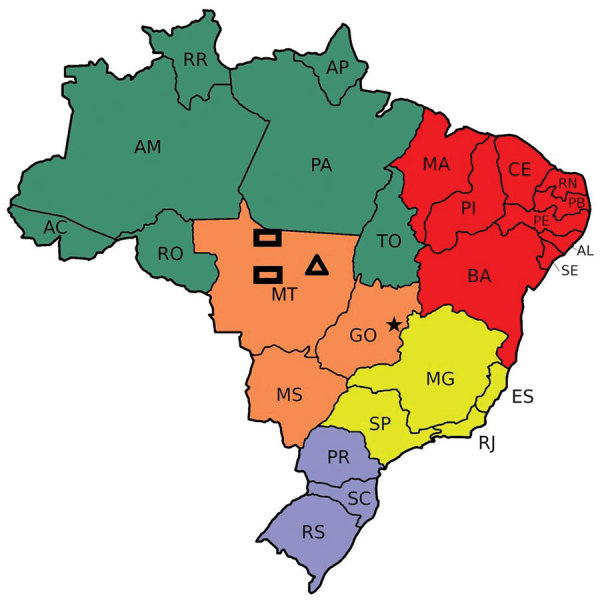
Description:Lobomycosis is a rare granulomatous skin disease with a high prevalence in the Amazon region. The Kaiabi Indians are an especially affected group. We studied the current epidemiologic and clinical progression of lobomycosis among the Kaiabi in Brazil, from initial case reports in 1965 through 2019. A total of 60 lobomycosis cases had been reported among the Kaiabi, and we identified 3 new cases in our review. Of 550 cases of lobomycosis ever reported worldwide, 11.5% were among the Kaiabi. We note a high incidence among female Kaiabi and a precocious onset of disease in this indigenous population. Male Kaiabi frequently are infected with the multicentric form and women more frequently exhibit the localized form. Ulcerated lesions are observed more often in the multicentric form. The prevalence among this indigenous group could be explained by genetic susceptibility and lifestyle, which exposes them to a particular agent in the habitats in which they live.
-
Subjects:
-
Source:Emerg Infect Dis. 26(5):930-936
-
Pubmed ID:32310067
-
Pubmed Central ID:PMC7181903
-
Document Type:
-
Place as Subject:
-
Volume:26
-
Issue:5
-
Collection(s):
-
Main Document Checksum:urn:sha256:597e3fbfc551cf6736a42ec4588363bed8784ac724949e4158554917fe97bc47
-
Download URL:
-
File Type:
 [PDF
- 1.40 MB
]
[PDF
- 1.40 MB
]
Supporting Files


File Language:
English
ON THIS PAGE




CDC STACKS serves as an archival repository of CDC-published products including
scientific findings,
journal articles, guidelines, recommendations, or other public health information authored or
co-authored by CDC or funded partners.
As a repository, CDC STACKS retains documents in their original published format to ensure public access to scientific information.
As a repository, CDC STACKS retains documents in their original published format to ensure public access to scientific information.
You May Also Like
COLLECTION
Emerging Infectious Diseases