


Detection of viral agents in fecal specimens of monkeys with diarrhea
Supporting Files

-
Apr 2007
-
File Language:
English
Details
-
Alternative Title:J Med Primatol
-
Personal Author:
-
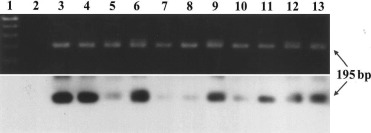
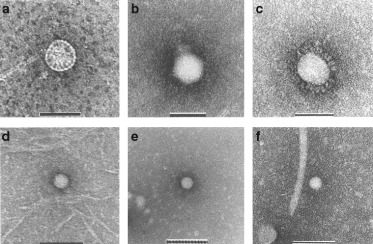
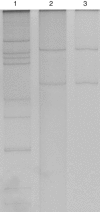
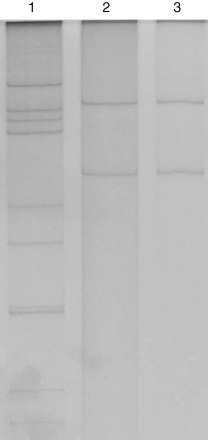
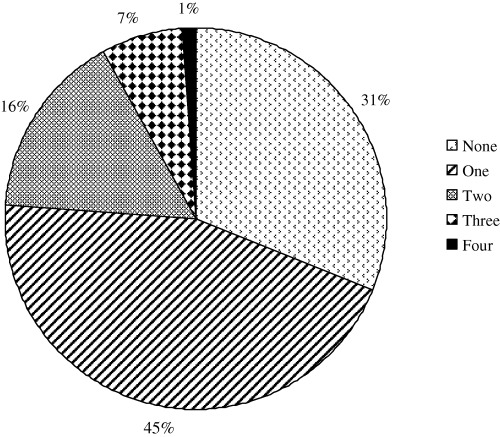
Description:Diarrheal disease is a major cause of morbidity and mortality in humans and animals, including non human primates. While the diagnostics for gastrointestinal bacterial and parasitic pathogens and their etiological role in disease are well established, little is known about the epidemiology, prevalence and role of viral agents in diarrheal illness among monkeys.|We collected fecal specimens from monkeys with diarrhea that were housed in two primate colonies, the Institute of Laboratory Animal Sciences, Beijing, China and the Yerkes National Primate Research Center, Georgia, USA. We screened these fecal specimens for rotaviruses and enteric adenoviruses 40/41 by using commercial EIA kits (Rotaclone and Adenoclone), enteroviruses by RT-PCR and Southern blot hybridization, and picobirnaviruses by polyacrylamide gel electrophoresis and silver staining. Some of the specimens were examined by EM for coronaviruses and noroviruses.|Of the 92 specimens from China, we found 63 (68%) positive for viruses, including enteroviruses (52%), enteric adenoviruses (21%), rotaviruses (20%), and picobirnaviruses (2%). Coronaviruses were detected in some specimens. Mixed infection of two or more viral agents was seen in 23 (25%) specimens. In the US collection, we detected enteroviruses and enteric adenoviruses in 76% (45/59) and 14% (7/50) of the specimens, respectively. Electron microscopy showed norovirus-like particles in some specimens from both colonies.|Our findings indicate endemic infections with enteric viruses in monkeys of both colonies. The availability of new simian rotaviruses, enteric adenoviruses, enteroviruses, and coronaviruses and the discovery of noroviruses and picobirnaviruses may allow us to develop better diagnostics for these agents and determine which of these agents are clearly associated with gastroenteritis in monkeys.
-
Subjects:
-
Source:J Med Primatol. 36(2):101-107
-
Pubmed ID:17493140
-
Pubmed Central ID:PMC7166873
-
Document Type:
-
Funding:
-
Place as Subject:
-
Volume:36
-
Issue:2
-
Collection(s):
-
Main Document Checksum:urn:sha256:3471462abdabb04c8170523d8b9f190b6f25e863438ab4c03e26dc6d2ce87104
-
Download URL:
-
File Type:
 [PDF
- 613.46 KB
]
[PDF
- 613.46 KB
]
Supporting Files


File Language:
English
ON THIS PAGE



CDC STACKS serves as an archival repository of CDC-published products including
scientific findings,
journal articles, guidelines, recommendations, or other public health information authored or
co-authored by CDC or funded partners.
As a repository, CDC STACKS retains documents in their original published format to ensure public access to scientific information.
As a repository, CDC STACKS retains documents in their original published format to ensure public access to scientific information.
You May Also Like
COLLECTION
CDC Public Access