



Lessons from an active surveillance pilot to assess the pneumonia of unknown etiology surveillance system in China, 2016: the need to increase clinician participation in the detection and reporting of emerging respiratory infectious diseases
Supporting Files

-
September 03 2019
-
Available in CDC Stacks on 2019-09-03T00:00:00Z
File Language:
English
Details
-
Alternative Title:BMC Infect Dis
-
Personal Author:Xiang, Nijuan ; Song, Ying ; Wang, Yu ; Wu, Jiabing ; Millman, Alexander J. ; Greene, Carolyn M. ; Ding, Zhentao ; Sun, Jie ; Yang, Wei ; Guo, Guoxia ; Wang, Ruirui ; Guo, Ping ; Ren, Zhixing ; Gong, Lei ; Xu, Pengpeng ; Zhou, Suizan ; Lin, Dan ; Ni, Daxin ; Feng, Zijian ; Li, Qun
-
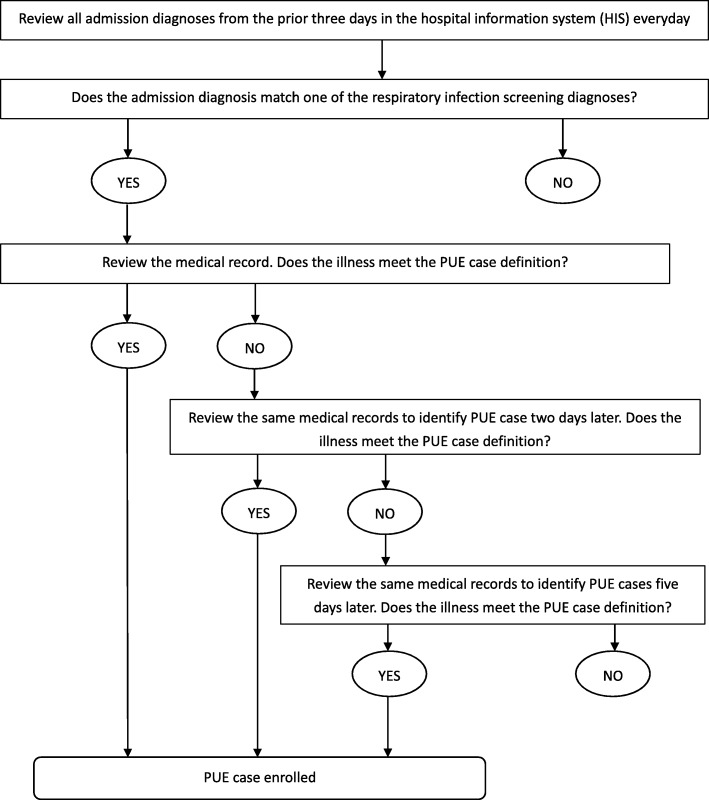
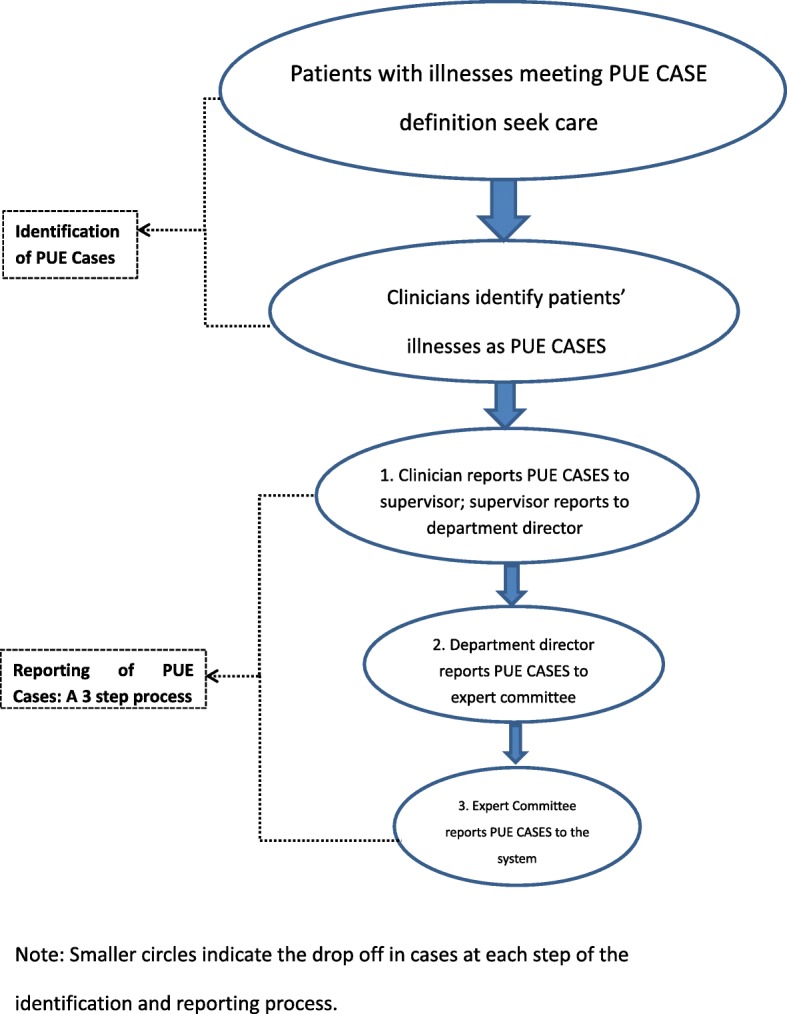
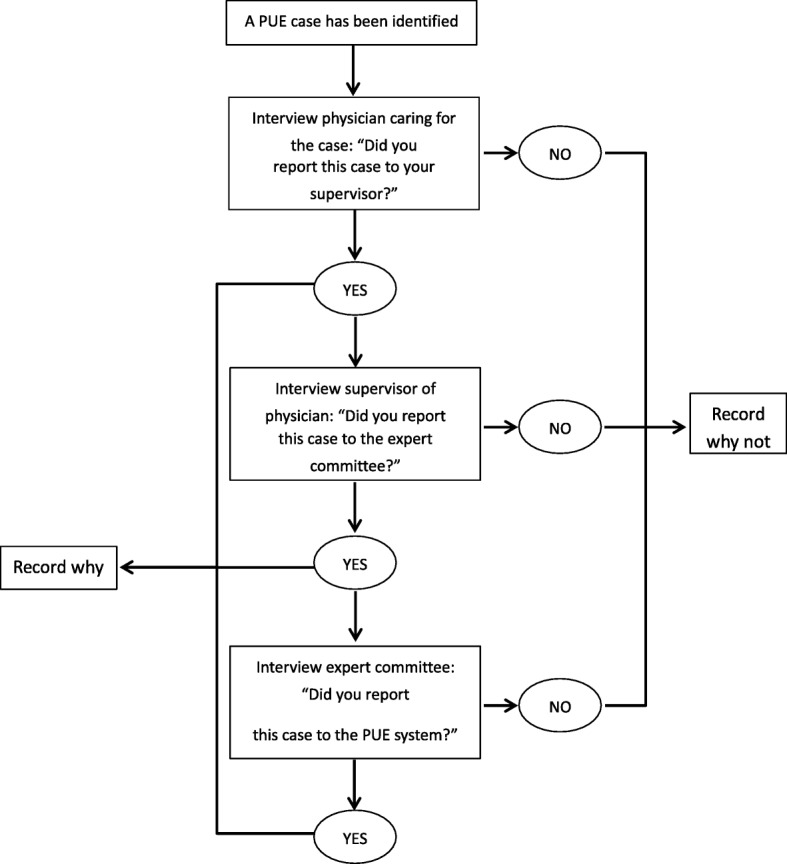
Description:Background ; We sought to assess reporting in China’s Pneumonia of Unknown Etiology (PUE) passive surveillance system for emerging respiratory infections and to identify ways to improve the PUE surveillance system’s detection of respiratory infections of public health significance. ; Methods ; From February 29–May 29, 2016, we actively identified and enrolled patients in two hospitals with acute respiratory infections (ARI) that met all PUE case criteria. We reviewed medical records for documented exposure history associated with respiratory infectious diseases, collected throat samples that were tested for seasonal and avian influenza, and interviewed clinicians regarding reasons for reporting or not reporting PUE cases. We described and analyzed the proportion of PUE cases reported and clinician awareness of and practices related to the PUE system. ; Results ; Of 2619 ARI admissions in two hospitals, 335(13%) met the PUE case definition; none were reported. Of 311 specimens tested, 18(6%) were seasonal influenza virus-positive; none were avian influenza-positive. < 10% PUE case medical records documented whether or not there were exposures to animals or others with respiratory illness. Most commonly cited reasons for not reporting cases were no awareness of the PUE system (76%) and not understanding the case definition (53%). ; Conclusions ; Most clinicians have limited awareness of and are not reporting to the PUE system. Exposures related to respiratory infections are rarely documented in medical records. Increasing clinicians’ awareness of the PUE system and including relevant exposure items in standard medical records may increase reporting. ; Electronic supplementary material ; The online version of this article (10.1186/s12879-019-4345-0) contains supplementary material, which is available to authorized users.
-
Subjects:
- Adult
- Communicable Diseases, Emerging
- Diagnosis, Differential
- Disease Notification
- Female
- Health Services Needs and Demand
- Hospitalization
- Humans
- Influenza, Human
- Male
- Mandatory Reporting
- Mandatory Testing
- Middle Aged
- Pilot Projects
- Pneumonia
- Population Surveillance
- Practice Patterns, Physicians'
- Program Evaluation
- Respiratory Tract Infections
- Work Engagement
-
Source:BMC Infect Dis. 19
-
Pubmed ID:31481020
-
Pubmed Central ID:PMC6724368
-
Document Type:
-
Funding:
-
Place as Subject:
-
Volume:19
-
Download URL:
-
File Type:
 [PDF - 1.02 MB]
 -
Collection(s):
-
Main Document Checksum:urn:sha256:bfcd4457bb73641d499eccf9a9158b7f23ccf2334cc92881e17dbefce01e604c
Supporting Files


File Language:
English
 Was this page helpful?
 Found an issue?

CDC STACKS serves as an archival repository of CDC-published products including
scientific findings, journal articles, guidelines, recommendations, or other public health information authored or
co-authored by CDC or funded partners.
As a repository, CDC STACKS retains documents in their original published format to ensure public access to scientific information.
As a repository, CDC STACKS retains documents in their original published format to ensure public access to scientific information.
You May Also Like
COLLECTION
CDC Public Access