


Sensitive and Specific Target Sequences Selected from Retrotransposons of Schistosoma japonicum for the Diagnosis of Schistosomiasis
Supporting Files
Public Domain

-
Mar 27 2012
-
File Language:
English
Details
-
Alternative Title:PLoS Negl Trop Dis
-
Personal Author:
-
Description:Background
Schistosomiasis japonica is a serious debilitating and sometimes fatal disease. Accurate diagnostic tests play a key role in patient management and control of the disease. However, currently available diagnostic methods are not ideal, and the detection of the parasite DNA in blood samples has turned out to be one of the most promising tools for the diagnosis of schistosomiasis. In our previous investigations, a 230-bp sequence from the highly repetitive retrotransposon SjR2 was identified and it showed high sensitivity and specificity for detecting Schistosoma japonicum DNA in the sera of rabbit model and patients. Recently, 29 retrotransposons were found in S. japonicum genome by our group. The present study highlighted the key factors for selecting a new perspective sensitive target DNA sequence for the diagnosis of schistosomiasis, which can serve as example for other parasitic pathogens.
Methodology/Principal Findings
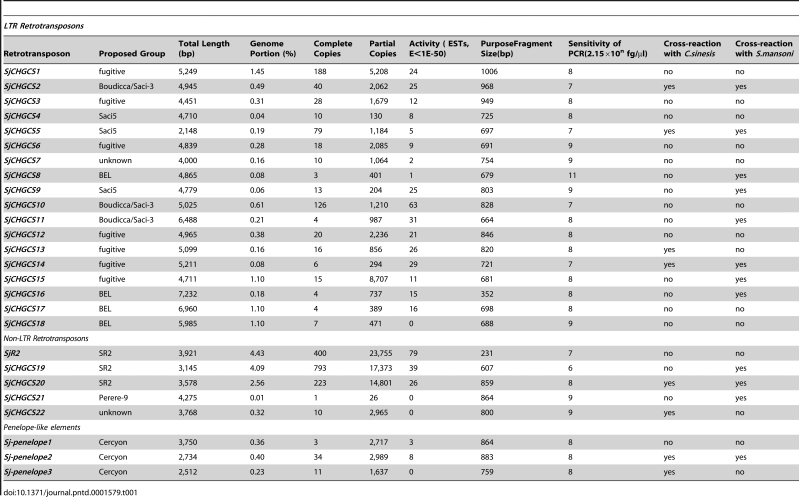
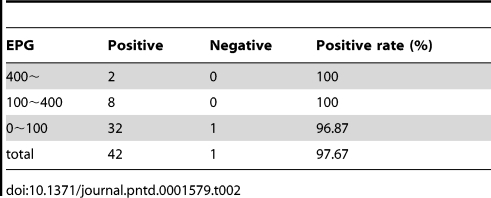
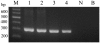
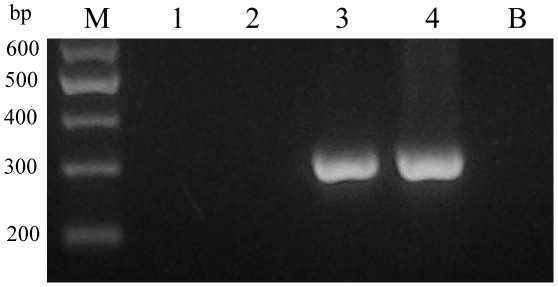
In this study, we demonstrated that the key factors based on the bioinformatic analysis for selecting target sequence are the higher genome proportion, repetitive complete copies and partial copies, and active ESTs than the others in the chromosome genome. New primers based on 25 novel retrotransposons and SjR2 were designed and their sensitivity and specificity for detecting S. japonicum DNA were compared. The results showed that a new 303-bp sequence from non-long terminal repeat (LTR) retrotransposon (SjCHGCS19) had high sensitivity and specificity. The 303-bp target sequence was amplified from the sera of rabbit model at 3 d post-infection by nested-PCR and it became negative at 17 weeks post-treatment. Furthermore, the percentage sensitivity of the nested-PCR was 97.67% in 43 serum samples of S. japonicum-infected patients.
Conclusions/Significance
Our findings highlighted the key factors based on the bioinformatic analysis for selecting target sequence from S. japonicum genome, which provide basis for establishing powerful molecular diagnostic techniques that can be used for monitoring early infection and therapy efficacy to support schistosomiasis control programs.
-
Subjects:
-
Source:PLoS Negl Trop Dis. 2012; 6(3).
-
Document Type:
-
Volume:6
-
Issue:3
-
Collection(s):
-
Main Document Checksum:urn:sha256:91f99756cd81500a77b21e4b53f8a5808a0b04cb27c3d6b0ac739dfe5522ea36
-
Download URL:
-
File Type:
 [PDF
- 542.10 KB
]
[PDF
- 542.10 KB
]
Supporting Files


File Language:
English
ON THIS PAGE







CDC STACKS serves as an archival repository of CDC-published products including
scientific findings,
journal articles, guidelines, recommendations, or other public health information authored or
co-authored by CDC or funded partners.
As a repository, CDC STACKS retains documents in their original published format to ensure public access to scientific information.
As a repository, CDC STACKS retains documents in their original published format to ensure public access to scientific information.
You May Also Like
COLLECTION
CDC Public Access