


Integrative Analysis of the Intestinal Metabolome of Childhood Asthma
Supporting Files

-
March 23 2019
-
File Language:
English
Details
-
Alternative Title:J Allergy Clin Immunol
-
Personal Author:
-
Description:Background:
The intestinal metabolome reflects biological consequences of diverse exposures and may provide insight into asthma pathophysiology.
Objective:
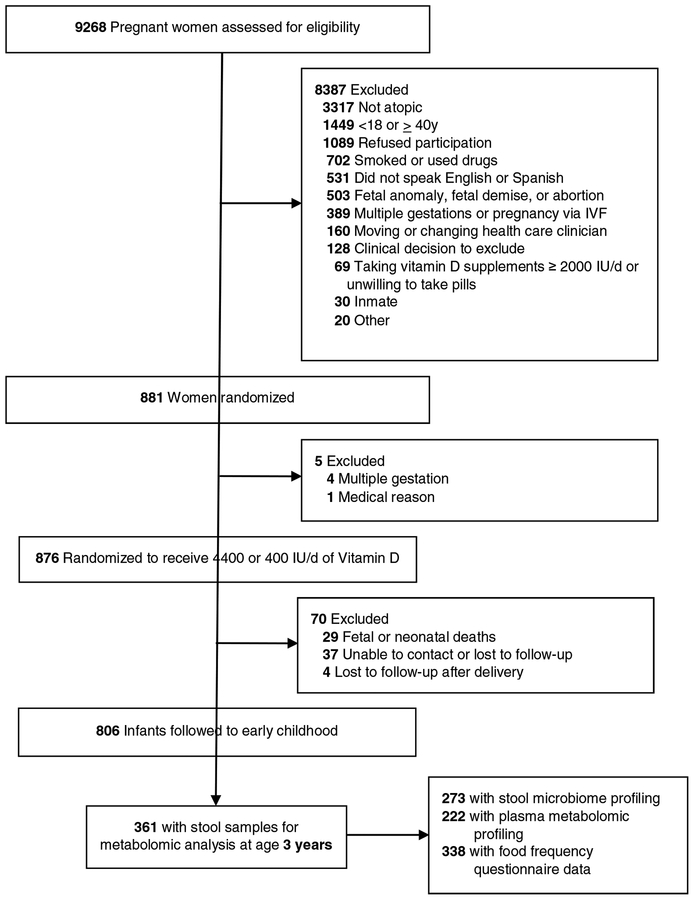
To perform an untargeted integrative analysis of the intestinal metabolome of childhood asthma in this ancillary study of the Vitamin D Antenatal Asthma Reduction Trial (VDAART).
Methods:
Metabolomic profiling was performed by mass spectrometry on fecal samples collected from 361 3-year-old subjects. Adjusted logistic regression analyses identified metabolites and modules of highly correlated metabolites associated with asthma diagnosis by age 3 years. Sparse canonical correlation analysis identified associations relevant to asthma between the intestinal metabolome and other “omics”: intestinal microbiome as measured by 16S rRNA sequencing, plasma metabolome as measured by mass spectrometry, and diet as measured by food frequency questionnaires.
Results:
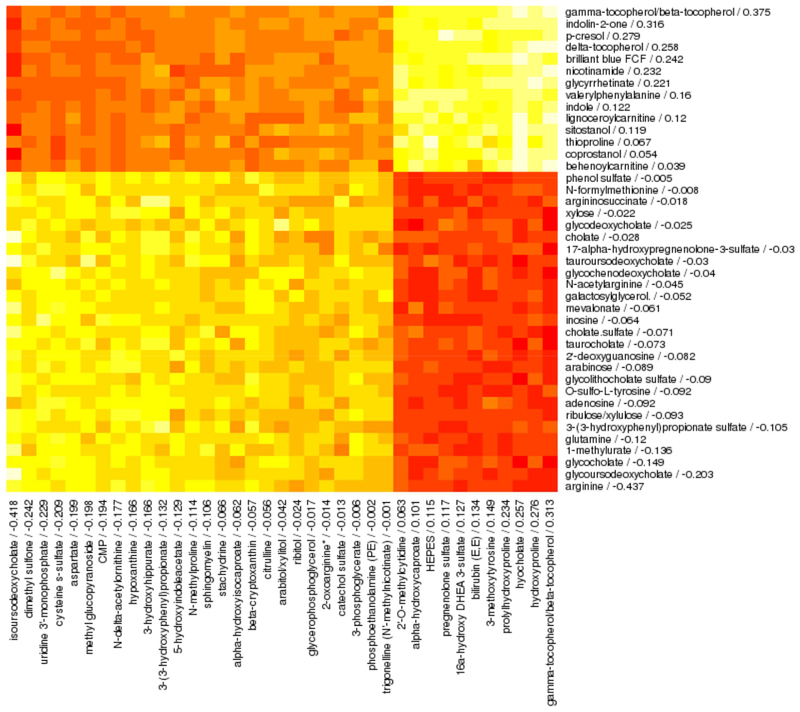
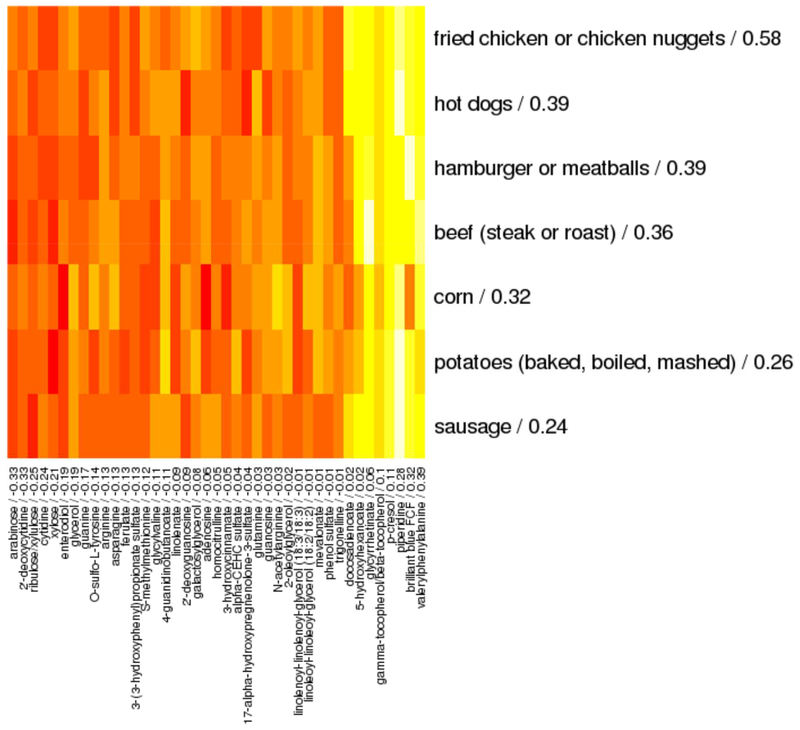
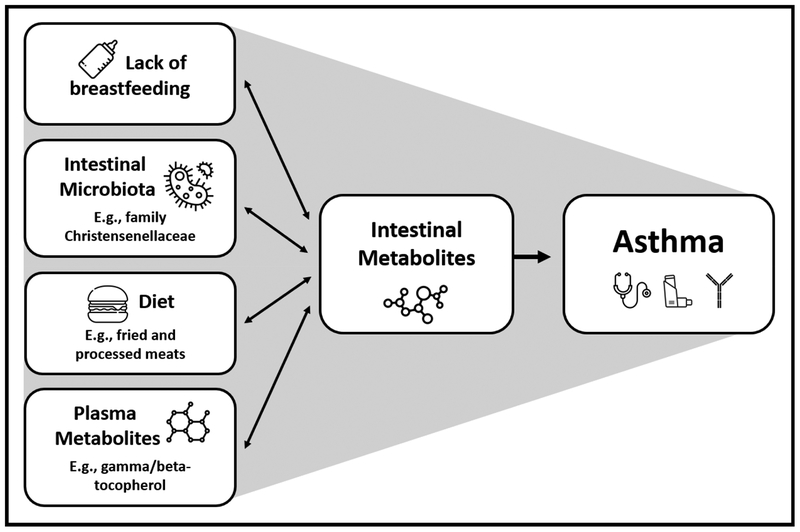
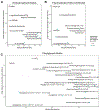
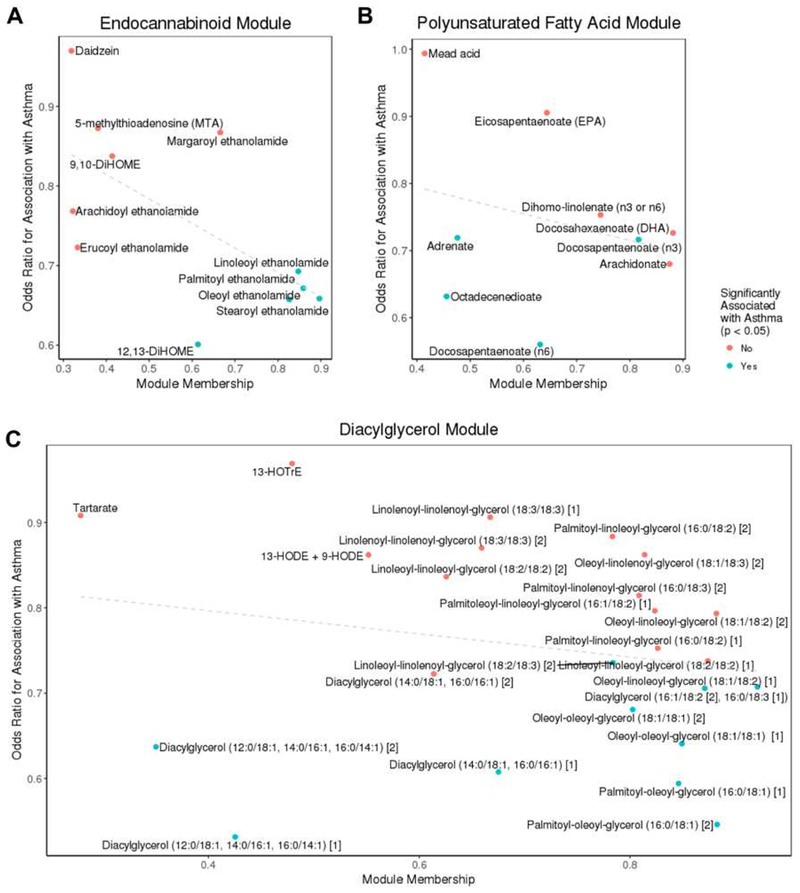
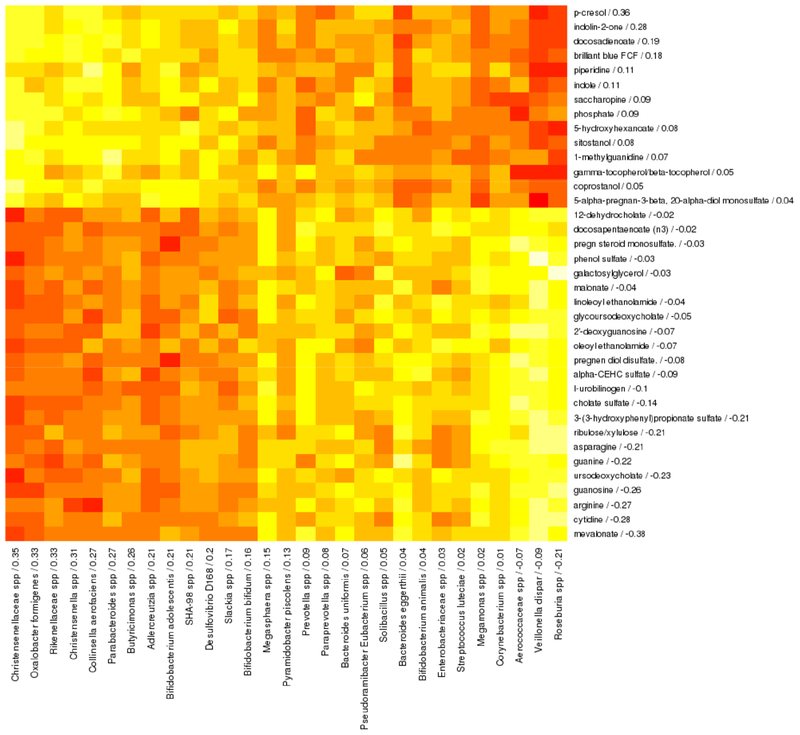
Several intestinal metabolites were associated with asthma at age 3 years, including inverse associations between asthma and polyunsaturated fatty acids (adjusted logistic regression beta = −6.3, 95% CI −11.3, −1.4, p = 0.01) and other lipids. Asthma-associated intestinal metabolites were significant mediators of the inverse relationship between exclusive breastfeeding for the first 4 months of life and asthma (p for indirect association = 0.04), and the positive association between a diet rich in meats and asthma (p = 0.03). Specific intestinal bacterial taxa, including family Christensenellaceae, and plasma metabolites, including gamma-tocopherol/beta-tocopherol, were positively associated with asthma and with asthma-associated intestinal metabolites.
Conclusion:
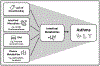
Integrative analyses revealed significant interrelationships between the intestinal metabolome and the intestinal microbiome, plasma metabolome, and diet in association with childhood asthma. These findings require replication in future studies.
-
Subjects:
-
Source:J Allergy Clin Immunol. 144(2):442-454
-
Pubmed ID:30914378
-
Pubmed Central ID:PMC6688902
-
Document Type:
-
Funding:U01 HL091528/HL/NHLBI NIH HHS/United States ; R01 HL141826/HL/NHLBI NIH HHS/United States ; R01 HL108818/HL/NHLBI NIH HHS/United States ; T32 AI007306/AI/NIAID NIH HHS/United States ; UG3 OD023268/CD/ODCDC CDC HHS/United States ; UG3 OD023268/OD/NIH HHS/United States ; R01 HL091528/HL/NHLBI NIH HHS/United States ; R01 HL123915/HL/NHLBI NIH HHS/United States ; UH3 OD023268/OD/NIH HHS/United States ; K01 HL146980/HL/NHLBI NIH HHS/United States
-
Volume:144
-
Issue:2
-
Collection(s):
-
Main Document Checksum:urn:sha256:ca0eeabf0a494e4749ae08b32fb53c645445745ede13bc62b38014b0e5e51a27
-
Download URL:
-
File Type:
 [PDF
- 1.84 MB
]
[PDF
- 1.84 MB
]
Supporting Files


File Language:
English
ON THIS PAGE



CDC STACKS serves as an archival repository of CDC-published products including
scientific findings,
journal articles, guidelines, recommendations, or other public health information authored or
co-authored by CDC or funded partners.
As a repository, CDC STACKS retains documents in their original published format to ensure public access to scientific information.
As a repository, CDC STACKS retains documents in their original published format to ensure public access to scientific information.
You May Also Like
COLLECTION
CDC Public Access