


Gaps and opportunities in refractory status epilepticus research in children: A multi-center approach by the Pediatric Status Epilepticus Research Group (pSERG)
Supporting Files

-
Oct 16 2013
-
File Language:
English
Details
-
Journal Article:Seizure
-
Personal Author:Fernández, Iván Sánchez ; Abend, Nicholas S. ; Agadi, Satish ; An, Sookee ; Arya, Ravindra ; Carpenter, Jessica L. ; Chapman, Kevin E. ; Gaillard, William D. ; Glauser, Tracy A. ; Goldstein, David B. ; Goldstein, Joshua L. ; Goodkin, Howard P. ; Hahn, Cecil D. ; Heinzen, Erin L. ; Mikati, Mohamad A. ; Peariso, Katrina ; Pestian, John P. ; Ream, Margie ; Riviello, James J. ; Tasker, Robert C. ; Williams, Korwyn ; Loddenkemper, Tobias
-
Corporate Authors:
-
Description:Purpose:
Status epilepticus (SE) is a life-threatening condition that can be refractory to initial treatment. Randomized controlled studies to guide treatment choices, especially beyond first-line drugs, are not available. This report summarizes the evidence that guides the management of refractory convulsive SE (RCSE) in children, defines gaps in our clinical knowledge and describes the development and works of the ‘pediatric Status Epilepticus Research Group’ (pSERG).
Methods:
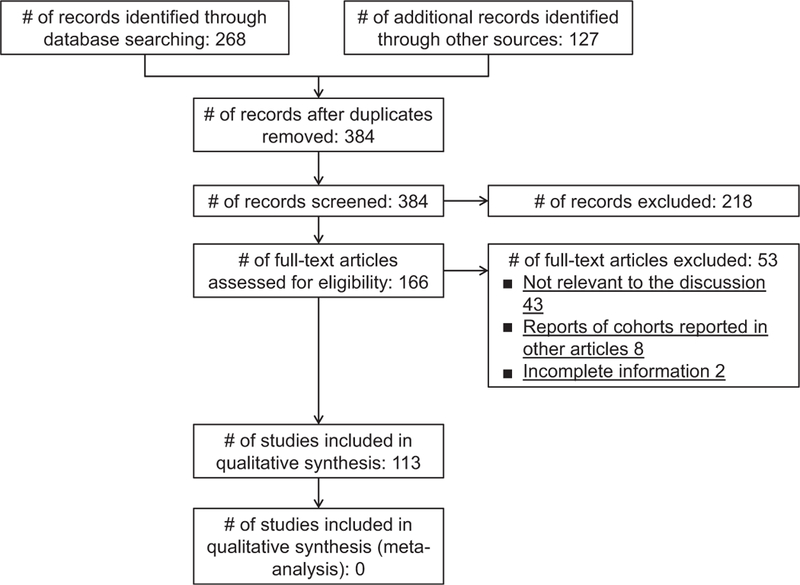
A literature review was performed to evaluate current gaps in the pediatric SE and RCSE literature. In person and online meetings helped to develop and expand the pSERG network.
Results:
The care of pediatric RCSE is largely based on extrapolations of limited evidence derived from adult literature and supplemented with case reports and case series in children. No comparative effectiveness trials have been performed in the pediatric population. Gaps in knowledge include risk factors for SE, biomarkers of SE and RCSE, second-and third-line treatment options, and long-term outcome.
Conclusion:
The care of children with RCSE is based on limited evidence. In order to address these knowledge gaps, the multicenter pSERG was established to facilitate prospective collection, analysis, and sharing of de-identified data and biological specimens from children with RCSE. These data will allow identification of treatment strategies associated with better outcomes and delineate evidence-based interventions to improve the care of children with SE.
-
Subjects:
-
Source:Seizure. 23(2):87-97
-
DOI:
-
Pubmed ID:24183923
-
Pubmed Central ID:PMC6387832
-
Document Type:
-
Funding:R01-NS065840/NS/NINDS NIH HHS/United States ; R01-LM011124/LM/NLM NIH HHS/United States ; U01 DP003255/DP/NCCDPHP CDC HHS/United States ; R01 NS075017/NS/NINDS NIH HHS/United States ; U10-NS077311/NS/NINDS NIH HHS/United States ; R01 NS067439/NS/NINDS NIH HHS/United States ; R01-NS043209/NS/NINDS NIH HHS/United States ; R01 NS065840/NS/NINDS NIH HHS/United States ; U01 NS081041/NS/NINDS NIH HHS/United States ; P30 HD040677/HD/NICHD NIH HHS/United States ; R21MH092615/MH/NIMH NIH HHS/United States ; K23 NS076550/NS/NINDS NIH HHS/United States ; U01 NS045911/NS/NINDS NIH HHS/United States ; U10 NS077311/NS/NINDS NIH HHS/United States ; R01 MH084961/MH/NIMH NIH HHS/United States ; 1P30HD40677/HD/NICHD NIH HHS/United States ; R21 NS076859/NS/NINDS NIH HHS/United States ; U01 NS053998/NS/NINDS NIH HHS/United States ; R01 LM011124/LM/NLM NIH HHS/United States ; K23NS076550/NS/NINDS NIH HHS/United States ; R01-NS053998/NS/NINDS NIH HHS/United States ; R01-NS062756/NS/NINDS NIH HHS/United States ; R21 MH092615/MH/NIMH NIH HHS/United States ; MH084961/MH/NIMH NIH HHS/United States ; K08 NS048413/NS/NINDS NIH HHS/United States ; R01 NS043209/NS/NINDS NIH HHS/United States ; 1R21NS076859-01/NS/NINDS NIH HHS/United States ; NS075017-01A1/NS/NINDS NIH HHS/United States ; 2U01-NS045911/NS/NINDS NIH HHS/United States ; R01 NS062756/NS/NINDS NIH HHS/United States
-
Genre:
-
Volume:23
-
Issue:2
-
Collection(s):
-
Main Document Checksum:urn:sha-512:8973754125d4f4d7f66c24c310a994e66eb12644f2e5e9b70f047aada9a881f36360d0cc7c69c1b742d7eb63bda4788df4fcd5907ba18de8ceb62ebe65dc15d7
-
Download URL:
-
File Type:
 [PDF
- 235.11 KB
]
[PDF
- 235.11 KB
]
Supporting Files


File Language:
English
ON THIS PAGE

CDC STACKS serves as an archival repository of CDC-published products including
scientific findings,
journal articles, guidelines, recommendations, or other public health information authored or
co-authored by CDC or funded partners.
As a repository, CDC STACKS retains documents in their original published format to ensure public access to scientific information.
As a repository, CDC STACKS retains documents in their original published format to ensure public access to scientific information.
You May Also Like
COLLECTION
CDC Public Access