


Acceptability of oral rapid HIV testing at dental clinics in communities with high HIV prevalence in South Florida
Supporting Files
Public Domain

-
Apr 27 2018
-
File Language:
English
Details
-
Alternative Title:PLoS One
-
Personal Author:
-
Description:Background
Expanding HIV screening for populations at risk necessitates testing in nontraditional settings. We assessed HIV testing in dental clinics in South Florida, an urban area with the highest rates of HIV diagnoses in the United States in 2015.
Aims
We explored patients’ acceptance of oral HIV rapid tests administered by dental providers and identified reasons for accepting or declining HIV testing.
Methods
During 2014 and 2015, dentists and hygienists at two federally qualified health center (FQHC) dental clinics who serve racial/ethnic minority patient populations in South Florida were trained to administer oral HIV rapid tests as a part of a routine dental visit. Patients presenting for dental services were offered a rapid HIV test and brief survey regarding their demographics, HIV testing history and behaviors.
Results
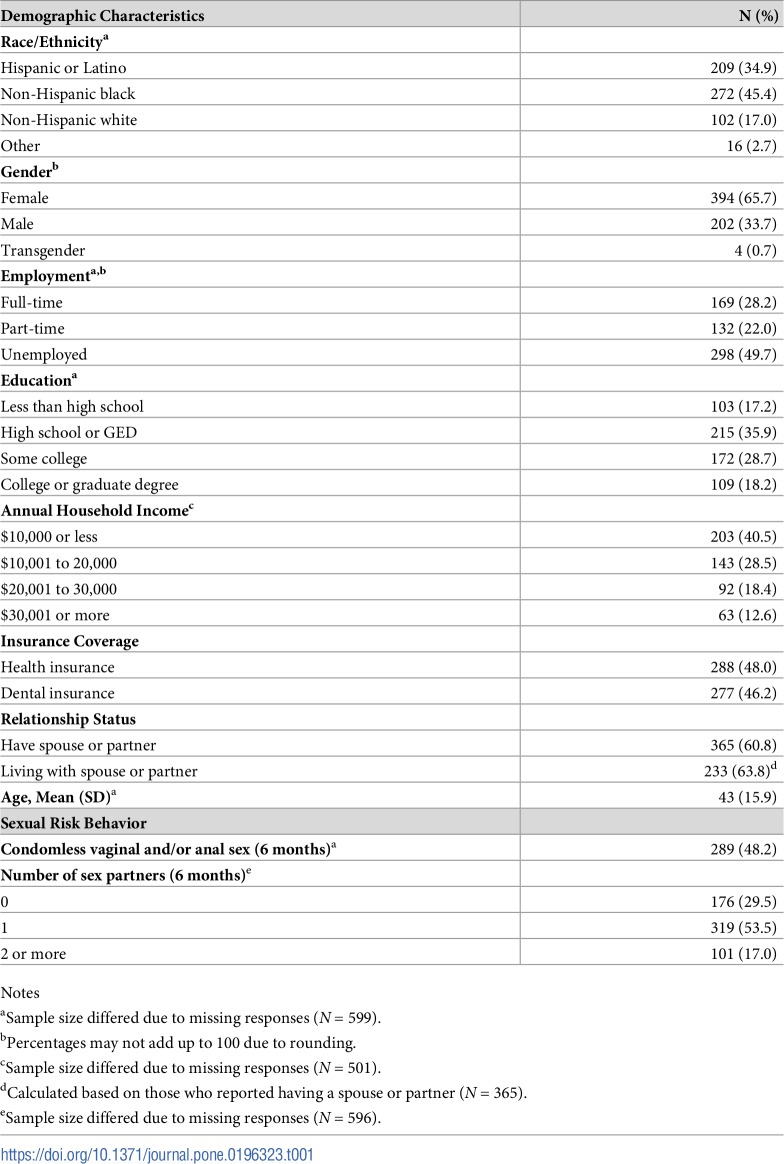
We enrolled 600 patients (median age = 43 years; IQR: 29–56 years), 45% non-Hispanic black and 35% Hispanic/Latino, 83% graduated high school, and 50% unemployed. Most (85%) accepted oral HIV rapid testing (none tested HIV-positive); 14% had never been tested for HIV. The most common reasons for testing were a desire to know HIV status (56%) and free testing (54%). Among 93 (15%) patients who declined testing, 58% were tested recently and 31% felt confident that they were HIV-negative; however, 74 (80%) who declined testing said they would feel comfortable discussing HIV prevention with their dentist. Additionally, 290 of 600 patients (48%) reported condomless vaginal or anal sex in the past 6 months. Further, among 119 patients who had condomless sex with an HIV-positive partner and/or one whose HIV status was unknown, 98 (82%) accepted the oral HIV test.
Conclusion
Dental clinics may provide expanded opportunities for oral HIV rapid testing and conversations about HIV prevention in high HIV prevalence communities.
-
Subjects:
-
Source:PLoS One. 13(4).
-
Pubmed ID:29702677
-
Pubmed Central ID:PMC5922539
-
Document Type:
-
Place as Subject:
-
Volume:13
-
Issue:4
-
Collection(s):
-
Main Document Checksum:urn:sha256:10bcd8a598990bf25ee82849d1c5cccbebe8c31ab4e4862d01034b4385d8fee0
-
Download URL:
-
File Type:
 [PDF
- 638.45 KB
]
[PDF
- 638.45 KB
]
Supporting Files


File Language:
English
ON THIS PAGE

CDC STACKS serves as an archival repository of CDC-published products including
scientific findings,
journal articles, guidelines, recommendations, or other public health information authored or
co-authored by CDC or funded partners.
As a repository, CDC STACKS retains documents in their original published format to ensure public access to scientific information.
As a repository, CDC STACKS retains documents in their original published format to ensure public access to scientific information.
You May Also Like
COLLECTION
CDC Public Access