


Virulent PB1-F2 residues: effects on fitness of H1N1 influenza A virus in mice and changes during evolution of human influenza A viruses
Supporting Files
Public Domain

-
May 10 2018
-
File Language:
English
Details
-
Alternative Title:Sci Rep
-
Personal Author:
-
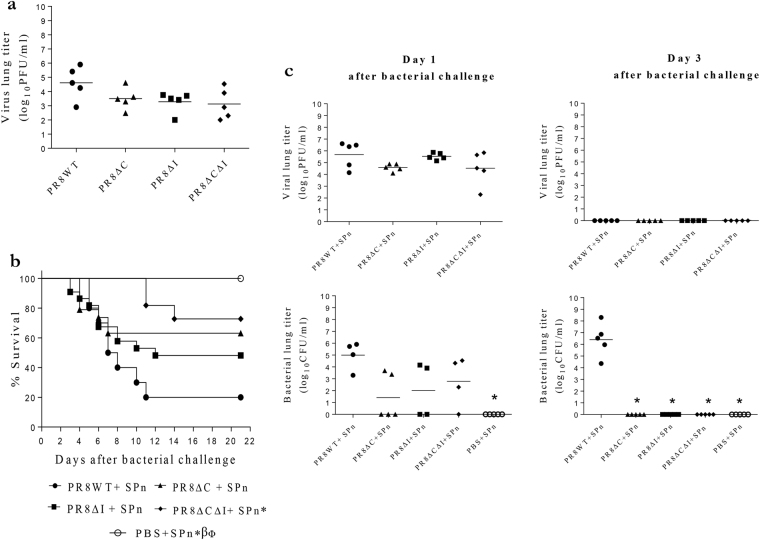
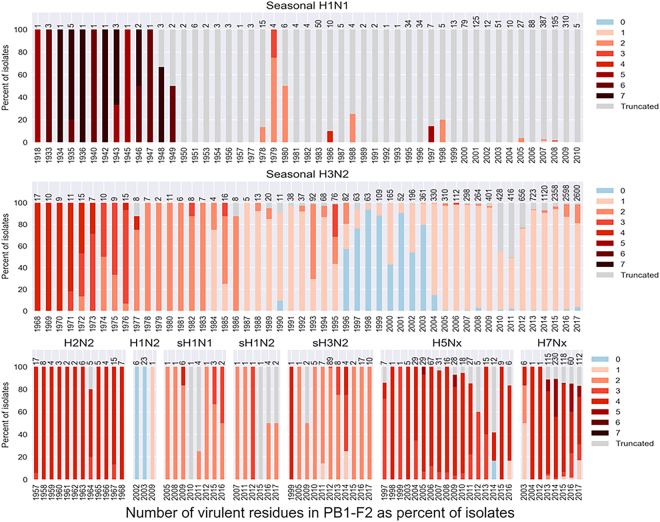
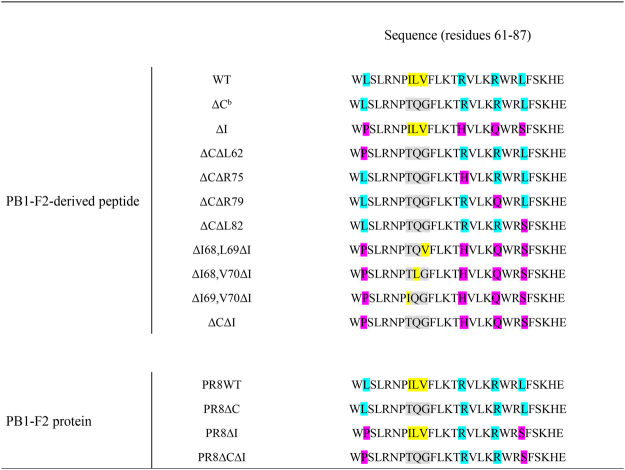
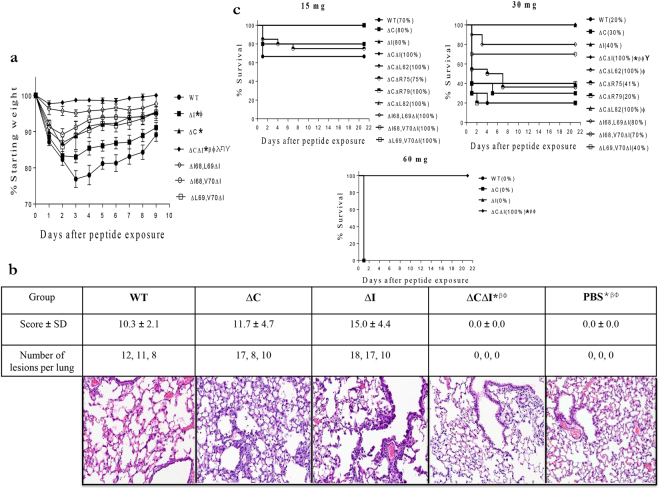
Description:Specific residues of influenza A virus (IAV) PB1-F2 proteins may enhance inflammation or cytotoxicity. In a series of studies, we evaluated the function of these virulence-associated residues in the context of different IAV subtypes in mice. Here, we demonstrate that, as with the previously assessed pandemic 1968 (H3N2) IAV, PB1-F2 inflammatory residues increase the virulence of H1N1 IAV, suggesting that this effect might be a universal feature. Combining both inflammatory and cytotoxic residues in PB1-F2 enhanced virulence further, compared to either motif alone. Residues from these virulent motifs have been present in natural isolates from human seasonal IAV of all subtypes, but there has been a trend toward a gradual reduction in the number of virulent residues over time. However, human IAV of swine and avian origin tend to have more virulent residues than do the human-adapted seasonal strains, raising the possibility that donation of PB1 segments from these zoonotic viruses may increase the severity of some seasonal human strains. Our data suggest the value of surveillance of virulent residues in both human and animal IAV to predict the severity of influenza season.
-
Subjects:
-
Source:Sci Rep. 8.
-
Pubmed ID:29749408
-
Pubmed Central ID:PMC5945659
-
Document Type:
-
Volume:8
-
Collection(s):
-
Main Document Checksum:urn:sha256:0c3cc0e693d6821c2c0786d7e9db308d6ca9d0bbcdc255f58a355bd026687d8d
-
Download URL:
-
File Type:
 [PDF
- 3.94 MB
]
[PDF
- 3.94 MB
]
Supporting Files


File Language:
English
ON THIS PAGE





CDC STACKS serves as an archival repository of CDC-published products including
scientific findings,
journal articles, guidelines, recommendations, or other public health information authored or
co-authored by CDC or funded partners.
As a repository, CDC STACKS retains documents in their original published format to ensure public access to scientific information.
As a repository, CDC STACKS retains documents in their original published format to ensure public access to scientific information.
You May Also Like
COLLECTION
CDC Public Access