



Lay responder naloxone access and Good Samaritan law compliance: postcard survey results from 20 Indiana counties
Supporting Files

-
Apr 06 2018
-
Available in CDC Stacks on 2018-04-06T00:00:00Z
Details
-
Alternative Title:Harm Reduct J
-
Personal Author:
-
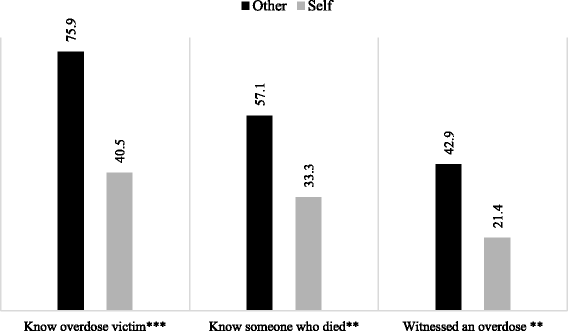
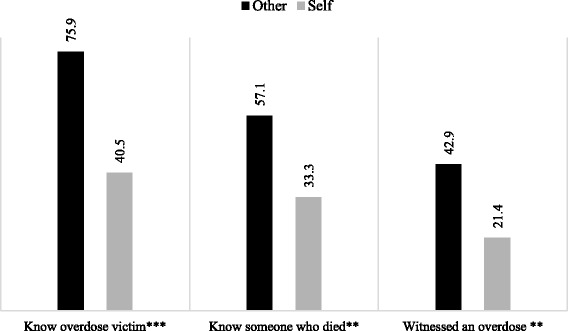
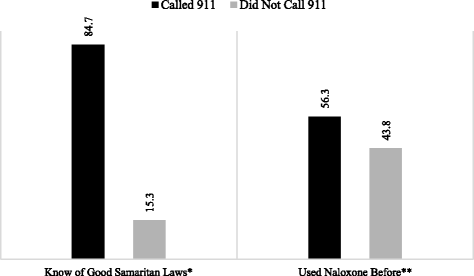
Description:Background ; To reduce fatal drug overdoses, two approaches many states have followed is to pass laws expanding naloxone access and Good Samaritan protections for lay persons with high likelihood to respond to an opioid overdose. Most prior research has examined attitudes and knowledge among lay responders in large metropolitan areas who actively use illicit substances. The present study addresses current gaps in knowledge related to this issue through an analysis of data collected from a broader group of lay responders who received naloxone kits from 20 local health departments across Indiana. ; Methods ; Postcard surveys were included inside naloxone kits distributed in 20 Indiana counties, for which 217 returned cards indicated the person completing it was a lay responder. The survey captured demographic information and experiences with overdose, including the use of 911 and knowledge about Good Samaritan protections. ; Results ; Few respondents had administered naloxone before, but approximately one third had witnessed a prior overdose and the majority knew someone who had died from one. Those who knew someone who had overdosed were more likely to have obtained naloxone for someone other than themselves. Also, persons with knowledge of Good Samaritan protections or who had previously used naloxone were significantly more likely to have indicated calling 911 at the scene of a previously witnessed overdose. Primary reasons for not calling 911 included fear of the police and the person who overdosed waking up on their own. ; Conclusions ; Knowing someone who has had a fatal or non-fatal overdose appears to be a strong motivating factor for obtaining naloxone. Clarifying and strengthening Good Samaritan protections, educating lay persons about these protections, and working to improve police interactions with the public when they are called to an overdose scene are likely to improve implementation and outcomes of naloxone distribution and opioid-related Good Samaritan laws.
-
Subjects:
-
Source:Harm Reduct J. 15.
-
Pubmed ID:29625609
-
Pubmed Central ID:PMC5889562
-
Document Type:
-
Funding:
-
Volume:15
-
Download URL:
-
File Type:
 [PDF - 522.99 KB]
 -
Collection(s):
-
Main Document Checksum:urn:sha256:594e8e6e7cba110868df8012669c2fcd780c1e8462d25ed41ca62a3f2e0f377f
Supporting Files


 Was this page helpful?
 Found an issue?


CDC STACKS serves as an archival repository of CDC-published products including
scientific findings, journal articles, guidelines, recommendations, or other public health information authored or
co-authored by CDC or funded partners.
As a repository, CDC STACKS retains documents in their original published format to ensure public access to scientific information.
As a repository, CDC STACKS retains documents in their original published format to ensure public access to scientific information.
You May Also Like
COLLECTION
CDC Public Access