



Maternal Disease With Group B Streptococcus and Serotype Distribution Worldwide: Systematic Review and Meta-analyses
Supporting Files

-
Nov 06 2017
File Language:
English
Details
-
Alternative Title:The Burden of Group B Streptococcus Worldwide for Pregnant Women, Stillbirths, and Children
-
Personal Author:Hall, Jennifer ; Adams, Nadine Hack ; Bartlett, Linda ; Seale, Anna C ; Lamagni, Theresa ; Bianchi-Jassir, Fiorella ; Lawn, Joy E ; Baker, Carol J ; Cutland, Clare ; Heath, Paul T ; Ip, Margaret ; Le Doare, Kirsty ; Madhi, Shabir A ; Rubens, Craig E ; Saha, Samir K ; Schrag, Stephanie ; Sobanjo-ter Meulen, Ajoke ; Vekemans, Johan ; Gravett, Michael G
-
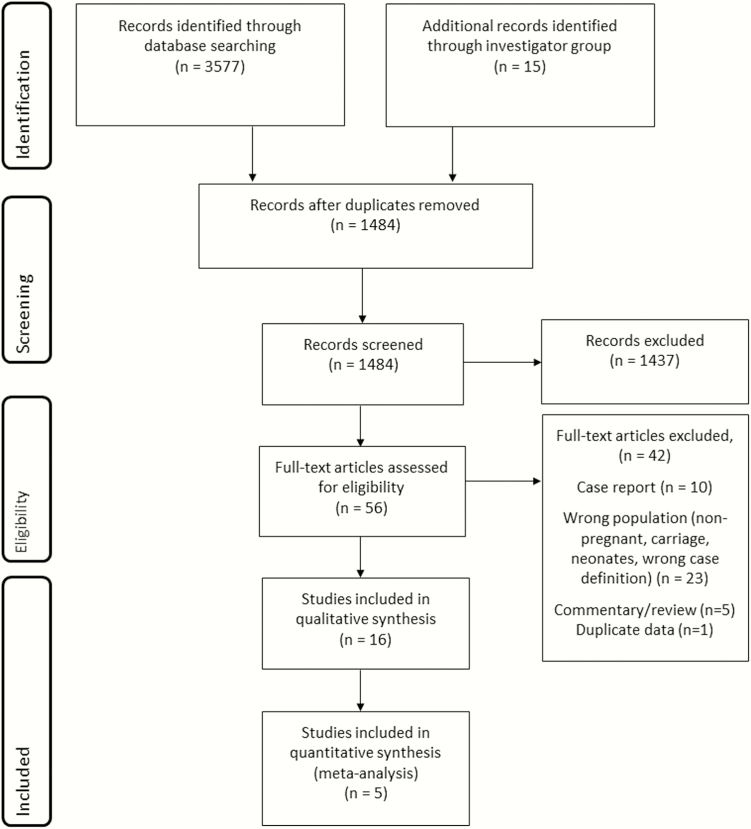
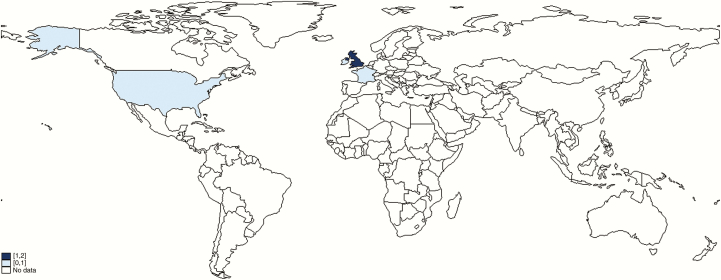
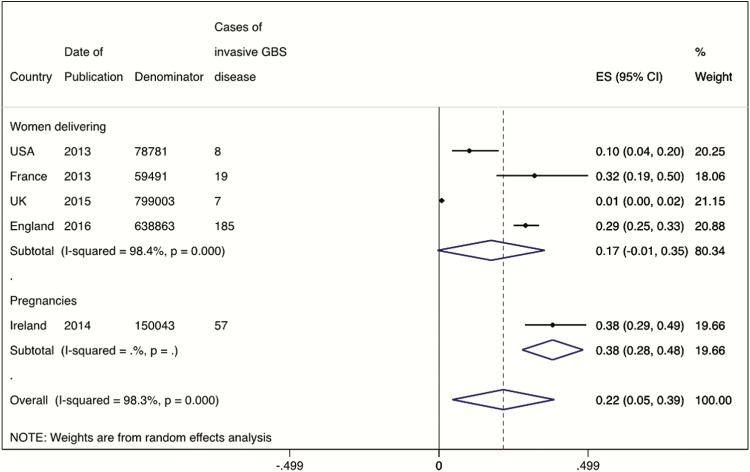
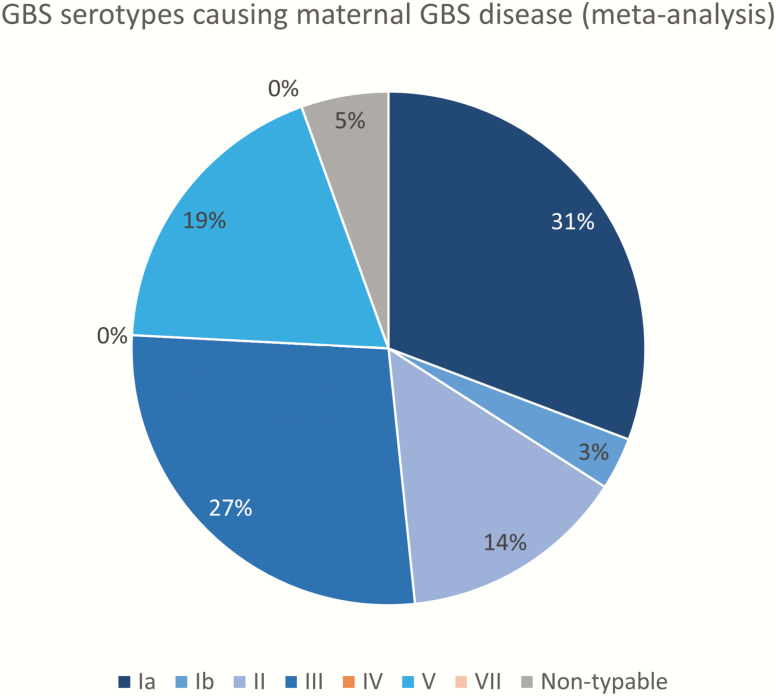
Description:Background ; Infections such as group B Streptococcus (GBS) are an important cause of maternal sepsis, yet limited data on epidemiology exist. This article, the third of 11, estimates the incidence of maternal GBS disease worldwide. ; Methods ; We conducted systematic literature reviews (PubMed/Medline, Embase, Latin American and Caribbean Health Sciences Literature LILACS, World Health Organization Library Information System WHOLIS, and Scopus) and sought unpublished data on invasive GBS disease in women pregnant or within 42 days postpartum. We undertook meta-analyses to derive pooled estimates of the incidence of maternal GBS disease. We examined maternal and perinatal outcomes and GBS serotypes. ; Results ; Fifteen studies and 1 unpublished dataset were identified, all from United Nations–defined developed regions. From a single study with pregnancies as the denominator, the incidence of maternal GBS disease was 0.38 (95% confidence interval CI, .28–.48) per 1000 pregnancies. From 3 studies reporting cases by the number of maternities (pregnancies resulting in live/still birth), the incidence was 0.23 (95% CI, .09–.37). Five studies reported serotypes, with Ia being the most common (31%). Most maternal GBS disease was detected at or after delivery. ; Conclusions ; Incidence data on maternal GBS disease in developing regions are lacking. In developed regions the incidence is low, as are the sequelae for the mother, but the risk to the fetus and newborn is substantial. The timing of GBS disease suggests that a maternal vaccine given in the late second or early third trimester of pregnancy would prevent most maternal cases.
-
Subjects:
-
Source:Clin Infect Dis. 2017; 65(Suppl 2):S112-S124
-
Pubmed ID:29117328
-
Pubmed Central ID:PMC5850000
-
Document Type:
-
Funding:
-
Volume:65
-
Download URL:
-
File Type:
 [PDF - 5.25 MB]
 -
Collection(s):
-
Main Document Checksum:urn:sha-512:2ad9a48cac062ac57d750ce3486907762caf7feb2b1e3507b8ec45e166d36a7cb1bbc685dc706c68559edb1f75bced1c5226ec7e9c6dc767d4e129838b71ccdc
Supporting Files


File Language:
English
 Was this page helpful?
 Found an issue?





CDC STACKS serves as an archival repository of CDC-published products including
scientific findings, journal articles, guidelines, recommendations, or other public health information authored or
co-authored by CDC or funded partners.
As a repository, CDC STACKS retains documents in their original published format to ensure public access to scientific information.
As a repository, CDC STACKS retains documents in their original published format to ensure public access to scientific information.
You May Also Like
COLLECTION
CDC Public Access