



Probing stem cell behavior using nanoparticle-based approaches
Supporting Files

-
2015 ; Nov-Dec 2015
-
Available in CDC Stacks on 2018-02-12T00:00:00Z
File Language:
English
Details
-
Alternative Title:Wiley Interdiscip Rev Nanomed Nanobiotechnol
-
Personal Author:
-
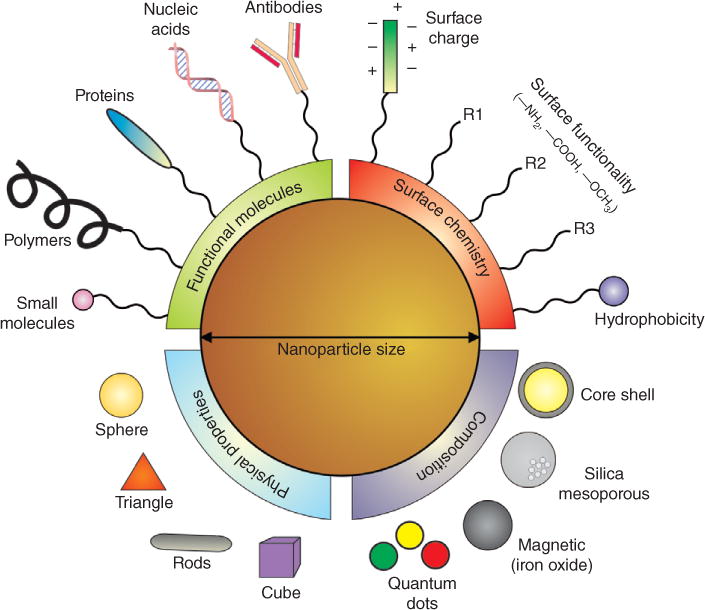
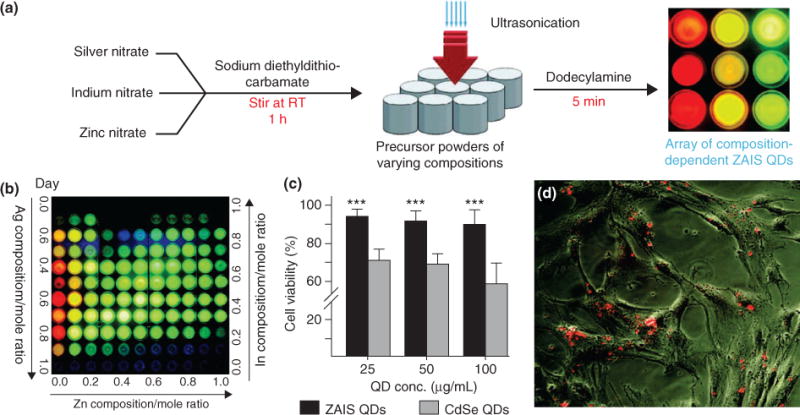
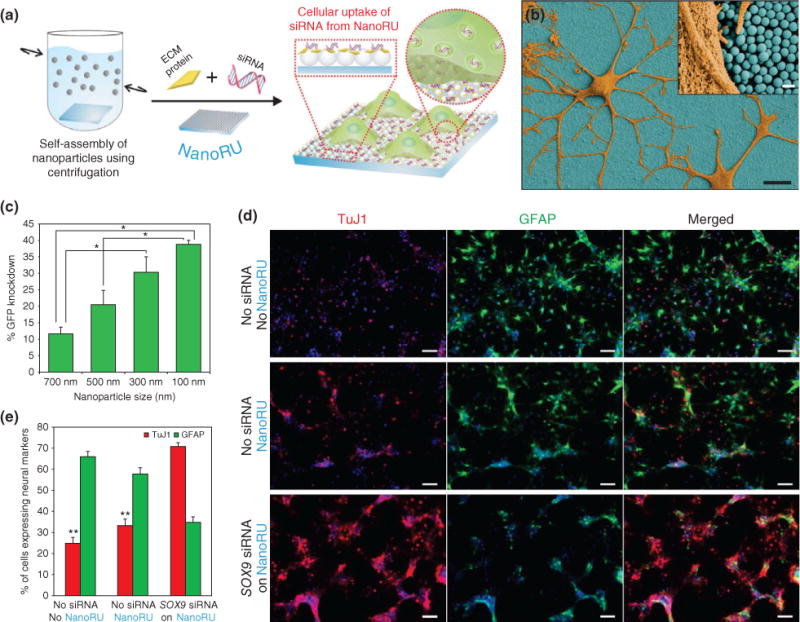
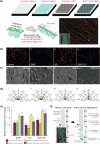
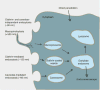
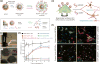
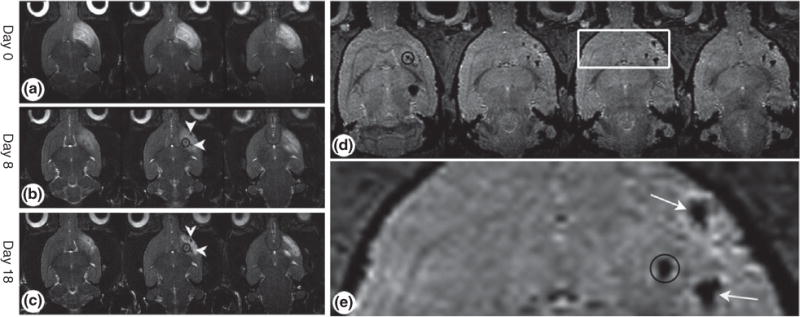
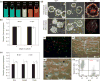
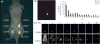
Description:Stem cells hold significant clinical potential to treat numerous debilitating diseases and injures that currently have no treatment plan. While several advances have been made in developing stem cell platforms and methods to induce their differentiation, there are two critical aspects need to be addressed: (1) efficient delivery of nucleic acids and small molecules for stem cell differentiation, and (2) effective, noninvasive, and real-time tracking of transplanted stem cells. To address this, there has been a trend of utilizing various types of nanoparticles to not only deliver biomolecules to targeted site but also track the location of transplanted stem cells in real time. Over the past decade, various types of nanoparticles, including magnetic nanoparticles, silica nanoparticles, quantum dots, and gold nanoparticles, have been developed to serve as vehicles for targeted biomolecule delivery. In addition of being biocompatible without causing adverse side effect to stem cells, these nanoparticles have unique chemical and physical properties that allow tracking and imaging in real time using different imaging instruments that are commonly found in hospitals. A summary of the landmark and progressive demonstrations that utilize nanoparticles for stem cell application is described.
-
Subjects:
-
Source:Wiley Interdiscip Rev Nanomed Nanobiotechnol. 7(6):759-778
-
Pubmed ID:25903468
-
Pubmed Central ID:PMC5808881
-
Document Type:
-
Funding:
-
Volume:7
-
Issue:6
-
Download URL:
-
File Type:
 [PDF - 1.74 MB]
 -
Collection(s):
-
Main Document Checksum:urn:sha256:ee79216c712fad740b3bafe4930aed1a96f590500470f4314bc560e80f3fab97
Supporting Files


File Language:
English
 Was this page helpful?
 Found an issue?











CDC STACKS serves as an archival repository of CDC-published products including
scientific findings, journal articles, guidelines, recommendations, or other public health information authored or
co-authored by CDC or funded partners.
As a repository, CDC STACKS retains documents in their original published format to ensure public access to scientific information.
As a repository, CDC STACKS retains documents in their original published format to ensure public access to scientific information.
You May Also Like
COLLECTION
CDC Public Access