


Potential Medication-Related Problems in Older Breast, Colon, and Lung Cancer Patients in the United States
Supporting Files

-
Oct 04 2017
-
File Language:
English
Details
-
Alternative Title:Cancer Epidemiol Biomarkers Prev
-
Personal Author:
-
Description:Background
Older adults are often exposed to multiple medications, some of which could be inappropriate or have the potential to interact with each other. Older cancer patients may be at increased risk for medication-related problems due to exposure to cancer-directed treatment.
Methods
We described patterns of potentially inappropriate medication (PIM) use and potential drug-chemotherapy interactions among adults age 66+ years diagnosed with stage I–III breast, stage II–III colon, and stage I–II lung cancer. Within the Surveillance, Epidemiology, and End Results-Medicare database, patients had to have Medicare Part D coverage with 1+ prescription in the diagnosis month and Medicare Parts A/B coverage in the prior 12 months. We estimated monthly prevalence of any and cancer-related PIM from 6 months pre- to 23 months post-cancer diagnosis and 12-month period prevalence of potential drug-chemotherapy interactions.
Results
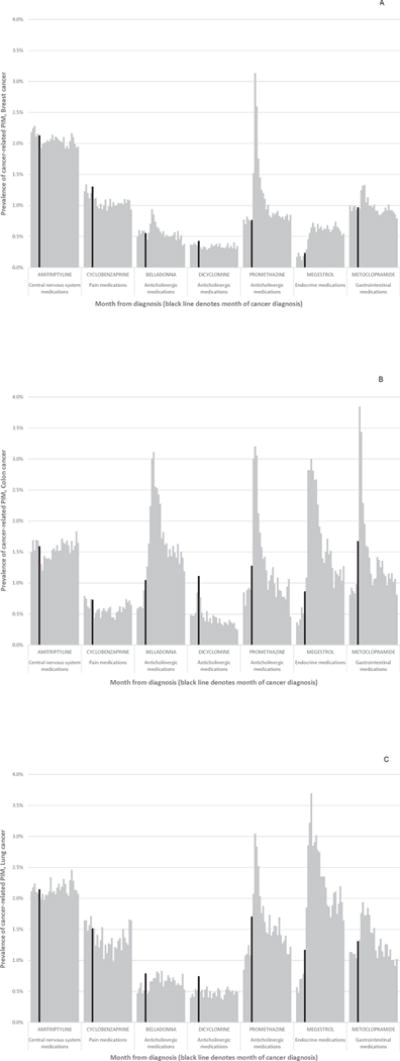
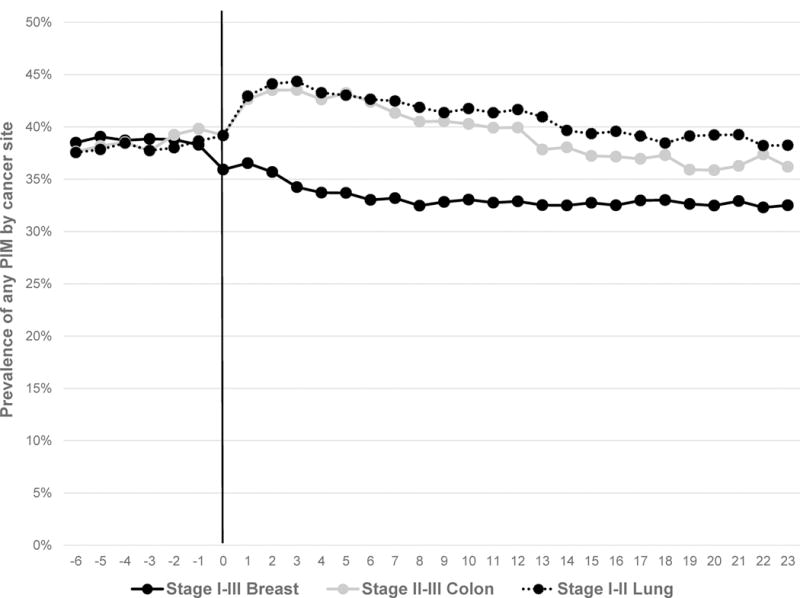
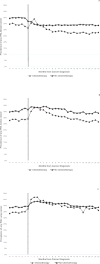
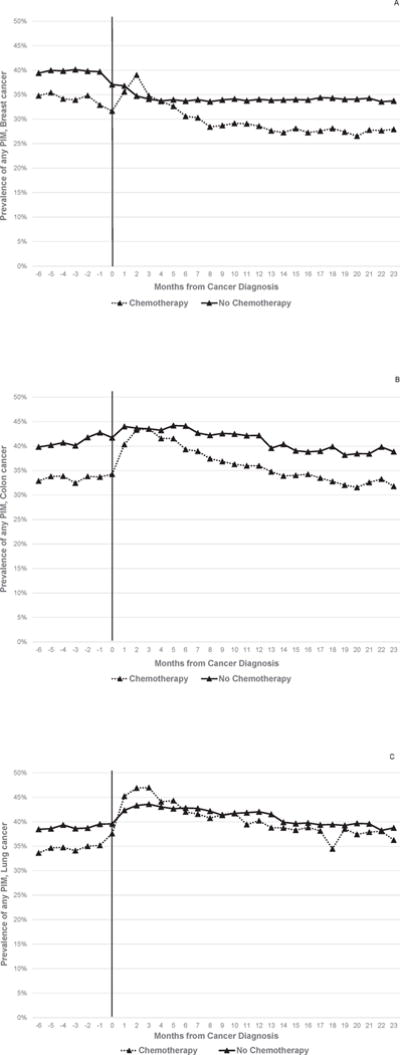
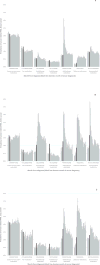
Overall, 19,318 breast, 7,283 colon, and 7,237 lung cancer patients were evaluated. Monthly PIM prevalence was stable pre-diagnosis (37–40%), but increased in the year following a colon or lung cancer diagnosis, and decreased following a breast cancer diagnosis. Changes in PIM prevalence were driven primarily by cancer-related PIM in patients on chemotherapy. Potential drug-chemotherapy interactions were observed in all cohorts, with prevalent interactions involving hydrochlorothiazide, warfarin, and proton-pump inhibitors.
Conclusions
There was a high burden of potential medication-related problems among older cancer patients; future research to evaluate outcomes of these exposures are warranted.
Impact
Older adults diagnosed with cancer have unique medication management needs. Thus, pharmacy specialists should be integrated into multidisciplinary teams caring for these patients.
-
Subjects:
-
Source:Cancer Epidemiol Biomarkers Prev. 27(1):41-49
-
Pubmed ID:28978563
-
Pubmed Central ID:PMC5760326
-
Document Type:
-
Funding:K12 CA120780/CA/NCI NIH HHS/United States ; UL1 TR001111/TR/NCATS NIH HHS/United States ; HHSN261201000140C/CA/NCI NIH HHS/United States ; HHSN261201000035C/CA/NCI NIH HHS/United States ; P30 CA016086/CA/NCI NIH HHS/United States ; UL1 TR002489/TR/NCATS NIH HHS/United States ; HHSN261201000035I/CA/NCI NIH HHS/United States ; HHSN261201000034C/CA/NCI NIH HHS/United States ; U58 DP003862/DP/NCCDPHP CDC HHS/United States ; TL1 TR001110/TR/NCATS NIH HHS/United States
-
Volume:27
-
Issue:1
-
Collection(s):
-
Main Document Checksum:urn:sha256:912bd09a449d5eafe581ee5fb1ec650c5cdb12f38f2c367bad8846147562dd62
-
Download URL:
-
File Type:
 [PDF
- 266.63 KB
]
[PDF
- 266.63 KB
]
Supporting Files


File Language:
English
ON THIS PAGE

CDC STACKS serves as an archival repository of CDC-published products including
scientific findings,
journal articles, guidelines, recommendations, or other public health information authored or
co-authored by CDC or funded partners.
As a repository, CDC STACKS retains documents in their original published format to ensure public access to scientific information.
As a repository, CDC STACKS retains documents in their original published format to ensure public access to scientific information.
You May Also Like
COLLECTION
CDC Public Access