


Facet effects of palladium nanocrystals for oxygen reduction in ionic liquids and for sensing applications†
Supporting Files

-
3 14 2016
-
File Language:
English
Details
-
Alternative Title:Nanoscale
-
Personal Author:
-
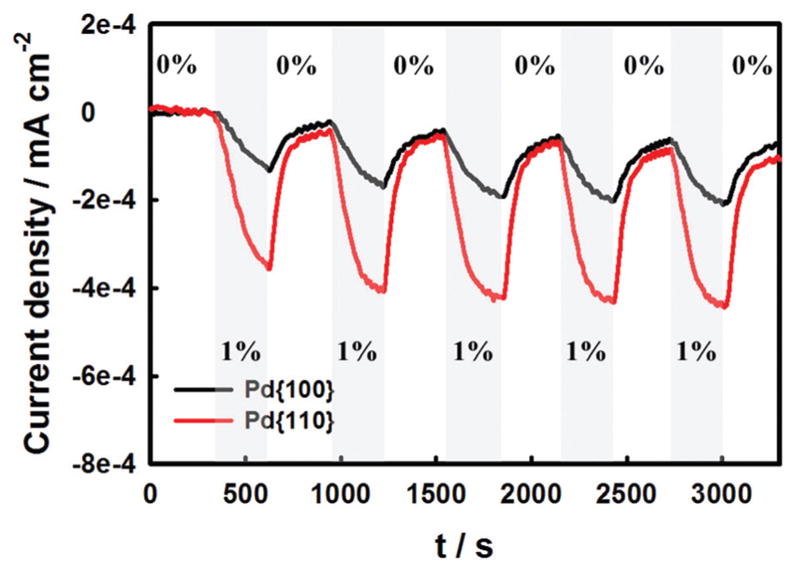
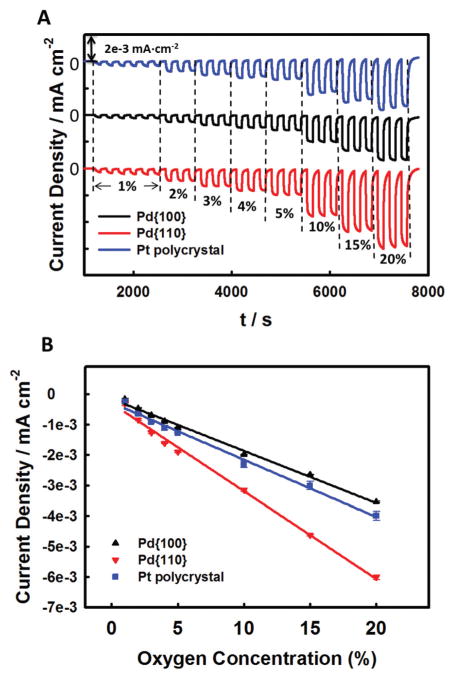
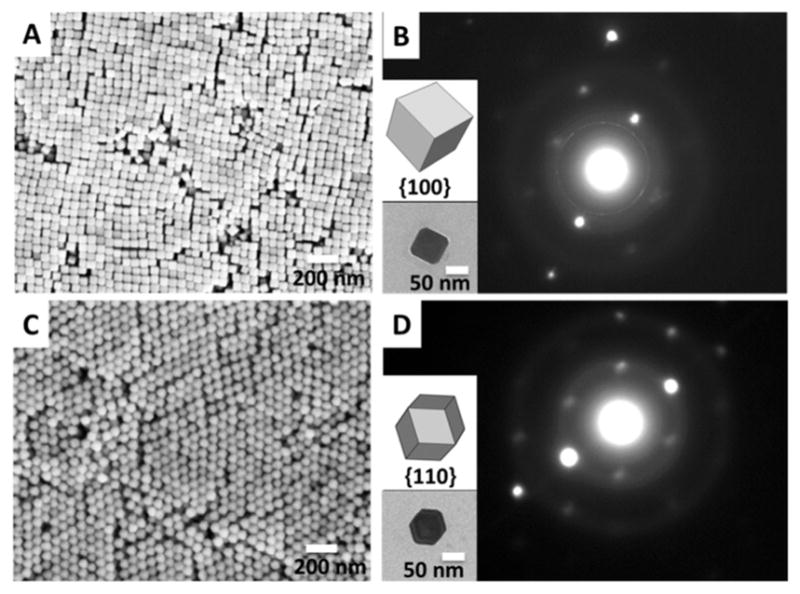
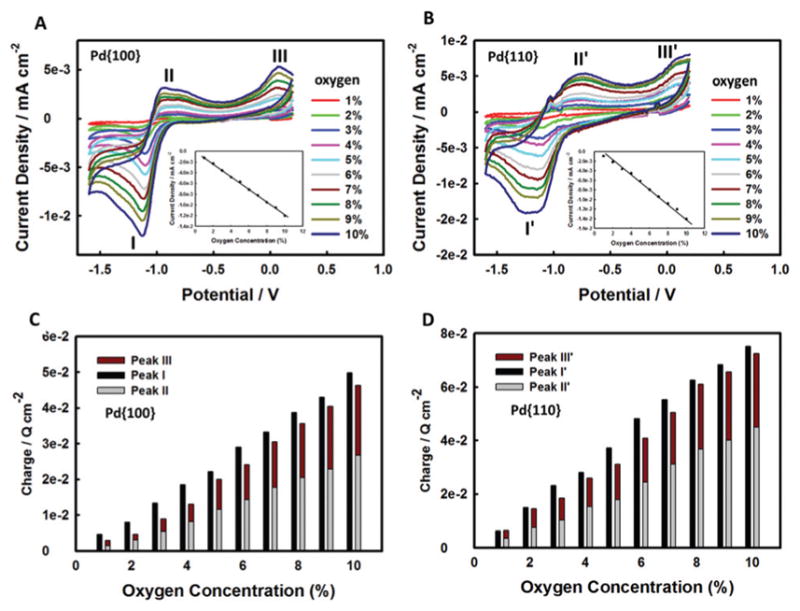
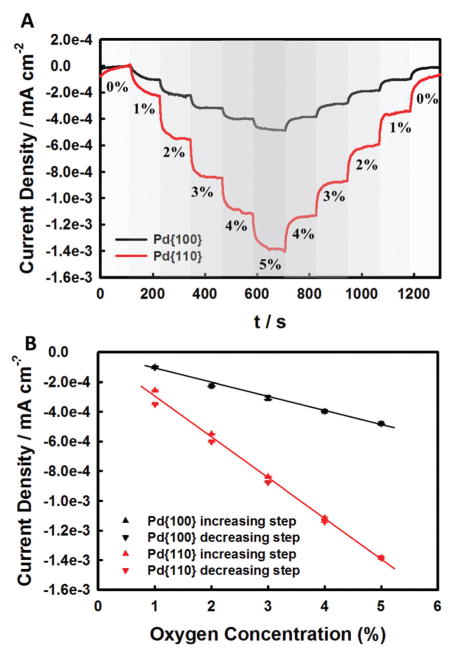
Description:Palladium nanocrystals enclosed by {100} and {110} crystal facets, were successfully synthesized through an aqueous one-pot synthesis method. A new thermal annealing approach was developed for fabricating these palladium nanocrystals as a working electrode on a gas permeable membrane to study the facet effects of the oxygen reduction process in an ionic liquid, 1-butyl-1-methylpyrrolidinium bis(trifluoromethylsulfonyl)imide ([Bmpy][NTf2]). Results were compared with the same processes at a conventional platinum electrode. Our study shows that the structural difference between the two facets of Pd nanocrystals has little effect on the oxygen reduction process but significantly affects the oxidation process of the superoxide. It is found that the Pd{110}/IL interface can better stabilize superoxide radicals revealed by a more positive oxidation potential compared to that of Pd{100}. In addition, the analytical characteristic of utilizing both palladium nanocrystals as electrodes for oxygen sensing is comparable with a polycrystal platinum oxygen sensor, in which Pd{110} presents the best sensitivity and lowest detection limit. Our results demonstrate the facet-dependence of oxygen reduction in an ionic liquid medium and provide the fundamental information needed to guide the applications of palladium nanocrystals in electrochemical gas sensor and fuel cell research.
-
Source:Nanoscale. 8(10):5771-5779
-
Pubmed ID:26910528
-
Pubmed Central ID:PMC5640266
-
Document Type:
-
Funding:
-
Volume:8
-
Issue:10
-
Collection(s):
-
Main Document Checksum:urn:sha256:0080d637fe3643656e34bb209a665872f9bb2d427bf7b54f53fc6688fa35c268
-
Download URL:
-
File Type:
 [PDF
- 943.86 KB
]
[PDF
- 943.86 KB
]
Supporting Files


File Language:
English
ON THIS PAGE





CDC STACKS serves as an archival repository of CDC-published products including
scientific findings,
journal articles, guidelines, recommendations, or other public health information authored or
co-authored by CDC or funded partners.
As a repository, CDC STACKS retains documents in their original published format to ensure public access to scientific information.
As a repository, CDC STACKS retains documents in their original published format to ensure public access to scientific information.