


SCN8A encephalopathy: Research progress and prospects
Supporting Files

-
Jun 08 2016
-
File Language:
English
Details
-
Alternative Title:Epilepsia
-
Personal Author:Meisler, Miriam H. ; Helman, Guy ; Hammer, Michael F. ; Fureman, Brandy E. ; Gaillard, William D. ; Goldin, Alan L. ; Hirose, Shinichi ; Ishii, Atsushi ; Kroner, Barbara L. ; Lossin, Christoph ; Mefford, Heather C. ; Parent, Jack M. ; Patel, Manoj ; Schreiber, John ; Stewart, Randall ; Whittemore, Vicky ; Wilcox, Karen ; Wagnon, Jacy L ; Pearl, Phillip L. ; Vanderver, Adeline ; Scheffer, Ingrid E.
-
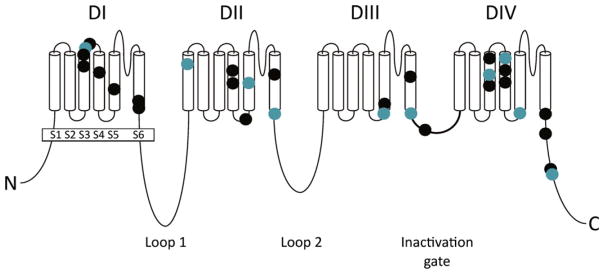
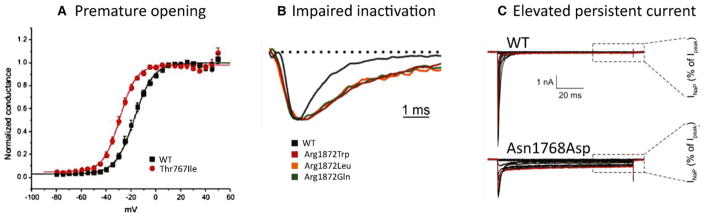
Description:On April 21, 2015, the first SCN8A Encephalopathy Research Group convened in Washington, DC, to assess current research into clinical and pathogenic features of the disorder and prepare an agenda for future research collaborations. The group comprised clinical and basic scientists and representatives of patient advocacy groups. SCN8A encephalopathy is a rare disorder caused by de novo missense mutations of the sodium channel gene SCN8A, which encodes the neuronal sodium channel Nav 1.6. Since the initial description in 2012, approximately 140 affected individuals have been reported in publications or by SCN8A family groups. As a result, an understanding of the severe impact of SCN8A mutations is beginning to emerge. Defining a genetic epilepsy syndrome goes beyond identification of molecular etiology. Topics discussed at this meeting included (1) comparison between mutations of SCN8A and the SCN1A mutations in Dravet syndrome, (2) biophysical properties of the Nav 1.6 channel, (3) electrophysiologic effects of patient mutations on channel properties, (4) cell and animal models of SCN8A encephalopathy, (5) drug screening strategies, (6) the phenotypic spectrum of SCN8A encephalopathy, and (7) efforts to develop a bioregistry. A panel discussion of gaps in bioregistry, biobanking, and clinical outcomes data was followed by a planning session for improved integration of clinical and basic science research. Although SCN8A encephalopathy was identified only recently, there has been rapid progress in functional analysis and phenotypic classification. The focus is now shifting from identification of the underlying molecular cause to the development of strategies for drug screening and prioritized patient care.
-
Subjects:
-
Source:Epilepsia. 57(7):1027-1035.
-
Pubmed ID:27270488
-
Pubmed Central ID:PMC5495462
-
Document Type:
-
Funding:U01 DP003255/DP/NCCDPHP CDC HHS/United States ; R01 NS090319/NS/NINDS NIH HHS/United States ; R01 NS048336/NS/NINDS NIH HHS/United States ; R01 NS034509/NS/NINDS NIH HHS/United States ; R01 NS065187/NS/NINDS NIH HHS/United States ; U54 HD090255/HD/NICHD NIH HHS/United States ; R01 NS075157/NS/NINDS NIH HHS/United States
-
Volume:57
-
Issue:7
-
Collection(s):
-
Main Document Checksum:urn:sha256:f51cee31f9e63bd61f9493f81eff98f079873c9a04f9ddb0ae87f7ce38998190
-
Download URL:
-
File Type:
 [PDF
- 537.82 KB
]
[PDF
- 537.82 KB
]
Supporting Files


File Language:
English
ON THIS PAGE


CDC STACKS serves as an archival repository of CDC-published products including
scientific findings,
journal articles, guidelines, recommendations, or other public health information authored or
co-authored by CDC or funded partners.
As a repository, CDC STACKS retains documents in their original published format to ensure public access to scientific information.
As a repository, CDC STACKS retains documents in their original published format to ensure public access to scientific information.
You May Also Like
COLLECTION
CDC Public Access