



Dimethylarginine Dimethylaminohydrolase (DDAH) Overexpression Attenuates Agricultural Organic Dust Extract-Induced Inflammation
Supporting Files
Peer Reviewed

-
2014/03/01
-
Available in CDC Stacks on March 01, 2015, 12:00 AM
File Language:
English
Details
-
Journal Article:Journal of Environmental Immunology and Toxicology
-
Personal Author:
-
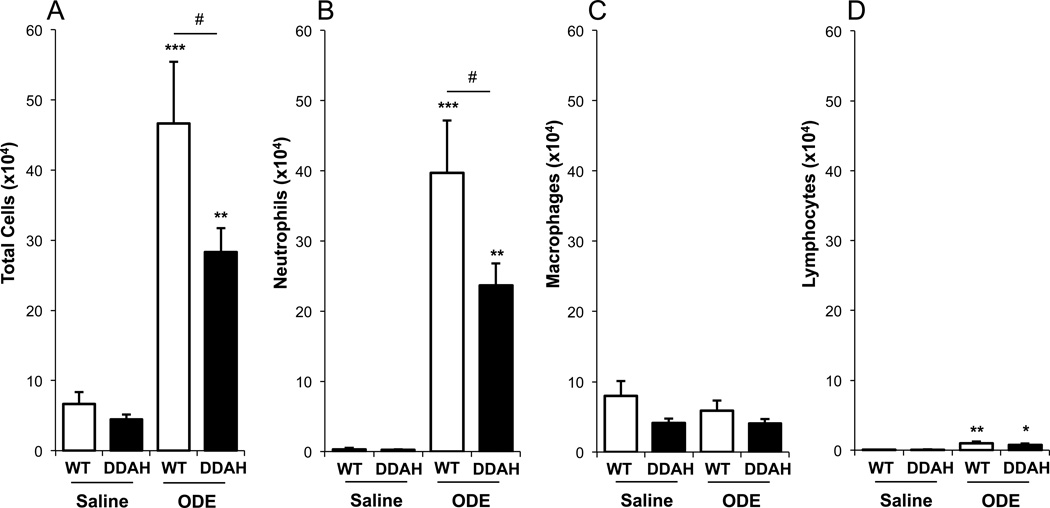
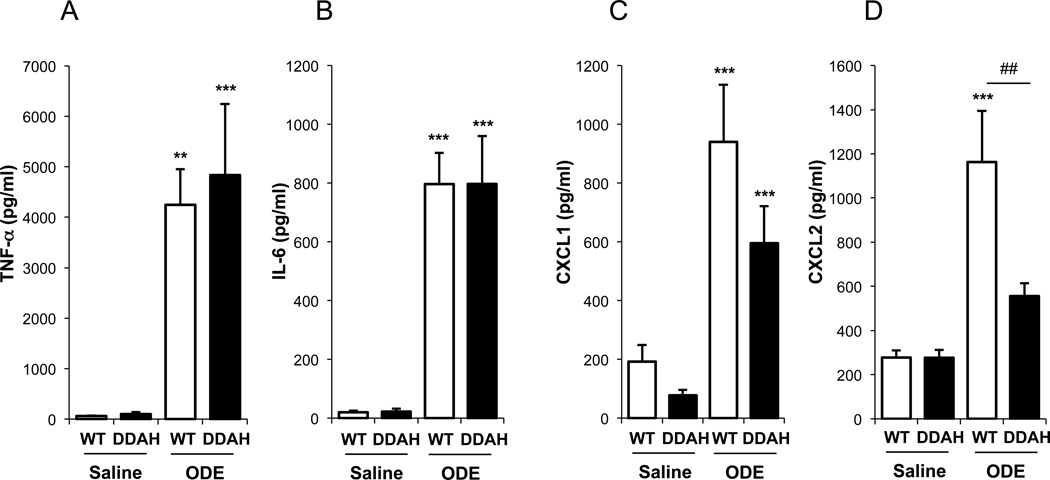
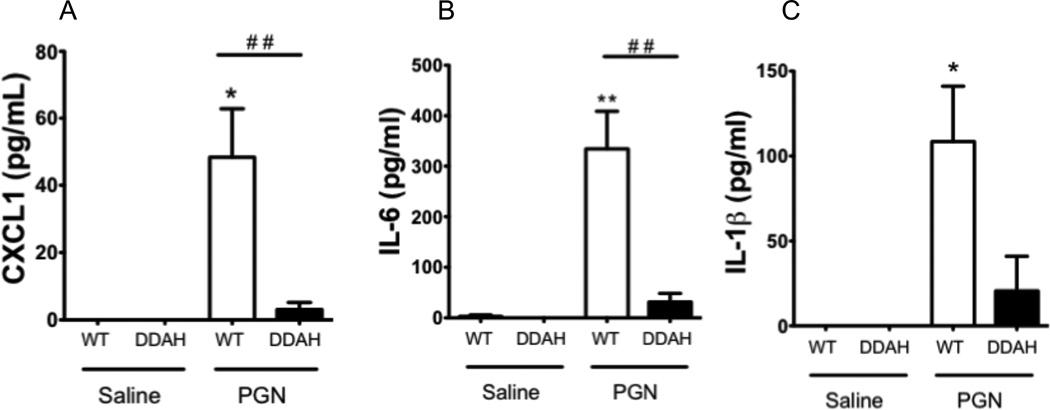
Description:Modern, industrialized farming practices have lead to working conditions that include high levels of airborne dust. Agricultural workers inhale these complex organic dusts on a daily basis, leading to airway inflammation and higher risk for developing chronic obstructive pulmonary disease. The mechanisms regulating the organic dust-induced airway inflammatory response are not well-defined. We investigated whether overexpression of dimethylarginine dimethylaminohydrolase (DDAH) would lead to diminished pulmonary inflammation in an animal model of organic dust extract exposure. We instilled wild-type (WT) and DDAH overexpressing mice with an aqueous organic dust extract (ODE) collected from a swine confinement building. We found that inflammatory indices such as neutrophil influx and inflammatory cytokine production was lower in the DDAH overexpressing mice compared to WT after organic dust extract (ODE) instillation. We went on to determine how DDAH was mediating the decrease in inflammation induced by ODE. PKCa and PKCe play an essential role in the ODE inflammatory response. In a model of lung slices from WT and DDAH overexpressing mice, we demonstrated an increase in PKCa and PKCe in the WT mice exposed to ODE. This increase was diminished in the DDAH overexpressing mice exposed to ODE. We also tested an important component of the ODE, peptidoglycan (PGN). We noted a similar decrease in neutrophils and inflammatory cytokines in the DDAH overexpressing animals instilled with PGN compared to WT. In conclusion, our studies found a role for DDAH in regulating the ODE-triggered activation of epithelial PKCa and PKCe, a previously unrecognized mechanism of action. This ultimately results in diminished pulmonary inflammation. Description provided by NIOSH
-
Subjects:
-
Keywords:
- Agriculture; Organic dusts; Pulmonary system disorders; Respiratory system disorders; Proteins; Nitric oxide; Cell type; Laboratory animals; In vitro study;
- Author Keywords: Pulmonary; lung; inflammation; swine confinement dust; peptidoglycan; Asymmetric dimethylarginine (ADMA); nitric oxide; CXCL-1; KC; CXCL-2; MIP1; IL-1beta; precision cut lung slices; PKCalpha; PKCepsilon; neutrophils; bronchoalveolar lavage
-
Source:J Environ Immunol Toxicol 2014 Mar-Apr; 2(2):72-78
-
ISSN:2225-1219
-
Pubmed ID:25221746
-
Pubmed Central ID:PMC4159103
-
Document Type:
-
Funding:
-
Genre:
-
Place as Subject:
-
CIO:
-
Topic:
-
Location:
-
Pages in Document:14 pdf pages
-
Volume:2
-
Issue:2
-
NIOSHTIC Number:nn:20053858
-
Contact Point Address:Todd A. Wyatt, Pulmonary, Critical Care, Sleep and Allergy Division; Department of Internal Medicine, University of Nebraska Medical Center, 985910 The Nebraska Medical Center, Omaha, NE 68198-5910
-
Email:twyatt@unmc.edu
-
CAS Registry Number:
-
Federal Fiscal Year:2014
-
NORA Priority Area:
-
Performing Organization:University of Nebraska Medical Center - Omaha
-
Peer Reviewed:True
-
Download URL:
-
File Type:
 [PDF - 1.35 MB]
 -
Collection(s):
-
Main Document Checksum:urn:sha-512:0c3c3bc19313a0d8a193213288a38dc7b312296ad5420dfeb47132ee92fe386d12d43994833814a65ff5c4ebac5599131df8e3858792b938634fbfd9520ab279
Supporting Files


File Language:
English
 Was this page helpful?
 Found an issue?



CDC STACKS serves as an archival repository of CDC-published products including
scientific findings, journal articles, guidelines, recommendations, or other public health information authored or
co-authored by CDC or funded partners.
As a repository, CDC STACKS retains documents in their original published format to ensure public access to scientific information.
As a repository, CDC STACKS retains documents in their original published format to ensure public access to scientific information.
You May Also Like