


Viable influenza A virus in airborne particles expelled during coughs versus exhalations
Supporting Files
Public Domain

-
Apr 15 2016
File Language:
English
Details
-
Alternative Title:Influenza Other Respir Viruses
-
Personal Author:
-
Description:Background
To prepare for a possible influenza pandemic, a better understanding of the potential for the airborne transmission of influenza from person to person is needed.
Objectives
The objective of this study was to directly compare the generation of aerosol particles containing viable influenza virus during coughs and exhalations.
Methods
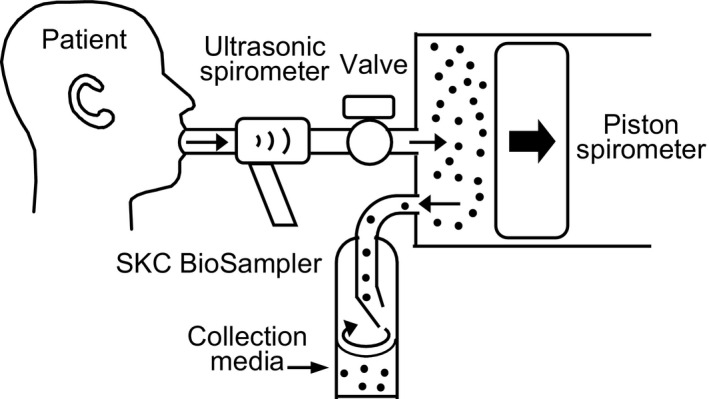
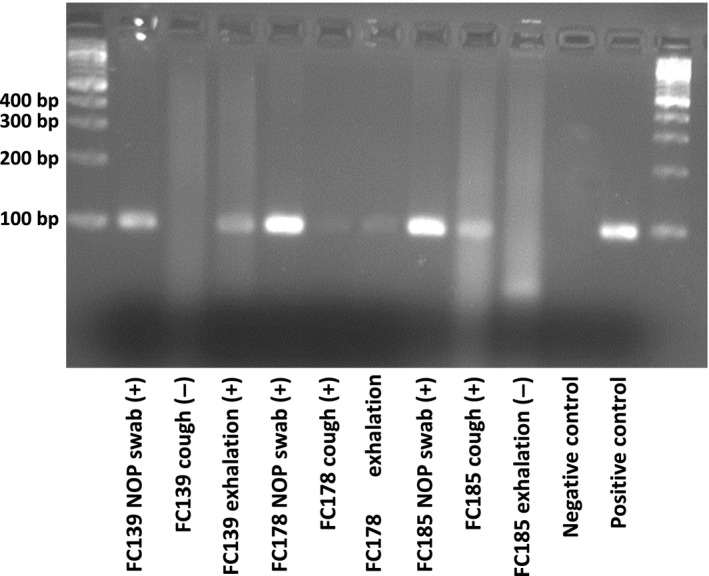
Sixty‐one adult volunteer outpatients with influenza‐like symptoms were asked to cough and exhale three times into a spirometer. Aerosol particles produced during coughing and exhalation were collected into liquid media using aerosol samplers. The samples were tested for the presence of viable influenza virus using a viral replication assay (VRA).
Results
Fifty‐three test subjects tested positive for influenza A virus. Of these, 28 (53%) produced aerosol particles containing viable influenza A virus during coughing, and 22 (42%) produced aerosols with viable virus during exhalation. Thirteen subjects had both cough aerosol and exhalation aerosol samples that contained viable virus, 15 had positive cough aerosol samples but negative exhalation samples, and 9 had positive exhalation samples but negative cough samples.
Conclusions
Viable influenza A virus was detected more often in cough aerosol particles than in exhalation aerosol particles, but the difference was not large. Because individuals breathe much more often than they cough, these results suggest that breathing may generate more airborne infectious material than coughing over time. However, both respiratory activities could be important in airborne influenza transmission. Our results are also consistent with the theory that much of the aerosol containing viable influenza originates deep in the lungs.
-
Subjects:
-
Source:Influenza Other Respir Viruses. 10(5):404-413.
-
Pubmed ID:26991074
-
Pubmed Central ID:PMC4947941
-
Document Type:
-
Volume:10
-
Issue:5
-
Collection(s):
-
Main Document Checksum:urn:sha256:18b560a4e75342514a53885e7474923c27e3d0714e500b4d4aef8a0507a3c4ff
-
Download URL:
-
File Type:
 [PDF
- 286.89 KB
]
[PDF
- 286.89 KB
]
Supporting Files


File Language:
English
ON THIS PAGE


CDC STACKS serves as an archival repository of CDC-published products including
scientific findings,
journal articles, guidelines, recommendations, or other public health information authored or
co-authored by CDC or funded partners.
As a repository, CDC STACKS retains documents in their original published format to ensure public access to scientific information.
As a repository, CDC STACKS retains documents in their original published format to ensure public access to scientific information.
You May Also Like
COLLECTION
CDC Public Access