


PARAOXONASE-1 AND EARLY LIFE ENVIRONMENTAL EXPOSURES
Supporting Files

-
2016 Jan-Feb
File Language:
English
Details
-
Alternative Title:Ann Glob Health
-
Personal Author:
-
Description:Background
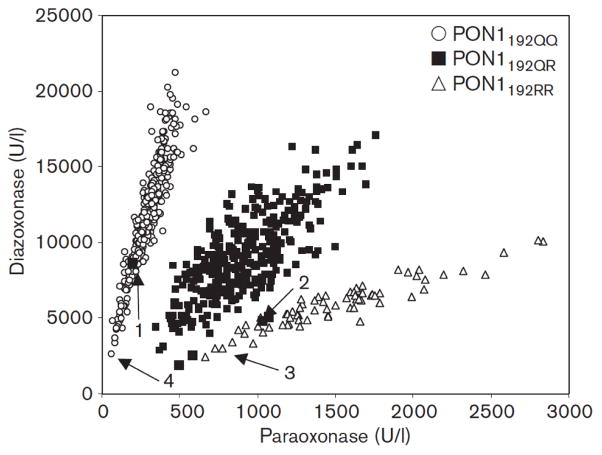
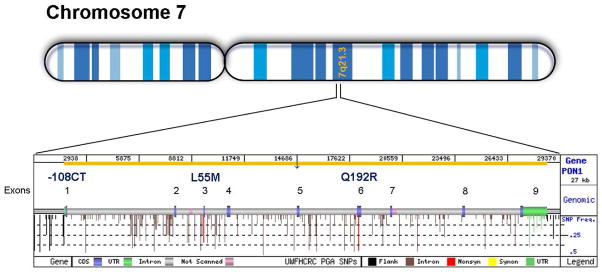
Acute and chronic exposures to widely used organophosphorus (OP) insecticides are common. Children’s detoxification mechanisms are not well developed until several years after birth. The increased cases of neurodevelopmental disorders in children, together with their increased susceptibility to OP neurotoxicity cannot be explained by genetic factors alone but could be related to gene-environment interactions. Paraoxonase-1 (PON1) is an enzyme that can detoxify OPs but its catalytic efficiency for hydrolysis to certain OPs is modulated by the Q192R polymorphism.
Findings
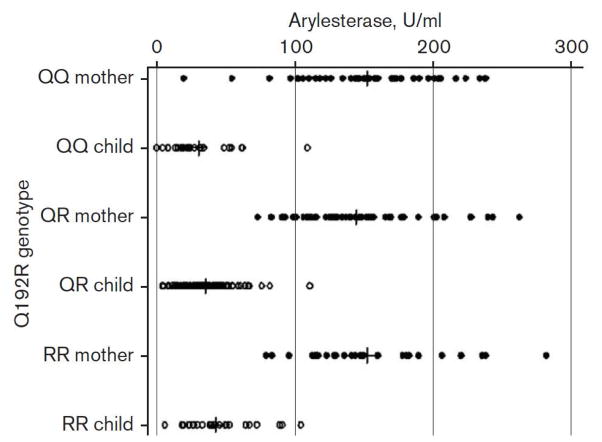
Studies in animals have provided important information on the role of PON1 in protecting against gestational and postnatal toxicity to OPs. The PON1Q192 allele is less efficient hydrolyzing certain OPs than the PON1R192 allele. Maternal PON1 status (PON1 activity levels, the most important measurement, and functional Q192R phenotype) modulates the detrimental effects of exposure to the OP chlorpyrifos oxon on fetal brain gene expression and biomarkers of exposure. Epidemiological studies suggest that children from mothers with lower PON1 status that were in contact with OPs during pregnancy tend to show smaller head circumference at birth and adverse effects in cognitive function during childhood.
Conclusion
Infants and children are vulnerable to OP toxicity. The detrimental consequences of OPs on neurodevelopment can lead to future generations with permanent cognitive problems and susceptibility to develop neurodegenerative diseases. Improved methods using mass spectrometry to monitor OP-adducted biomarker proteins are needed and will be extremely helpful in early life biomonitoring, while measurement of PON1 status as a biomarker of susceptibility will help identify mothers and children highly sensitive to OPs. The use of adductomics instead of enzymatic activity assays for biomonitoring OP exposures have proved to provide several advantages, including the use of dried blood spots, which would facilitate monitoring newborn babies and children.
-
Subjects:
-
Source:Ann Glob Health. 82(1):100-110
-
Pubmed ID:27325068
-
Pubmed Central ID:PMC4916371
-
Document Type:
-
Funding:
-
Volume:82
-
Issue:1
-
Collection(s):
-
Main Document Checksum:urn:sha256:b79655263e0e4286aa942f0cadf0fec79f4059b86ff43b0ecebf70f07065bd02
-
Download URL:
-
File Type:
 [PDF
- 621.74 KB
]
[PDF
- 621.74 KB
]
Supporting Files


File Language:
English
ON THIS PAGE


CDC STACKS serves as an archival repository of CDC-published products including
scientific findings,
journal articles, guidelines, recommendations, or other public health information authored or
co-authored by CDC or funded partners.
As a repository, CDC STACKS retains documents in their original published format to ensure public access to scientific information.
As a repository, CDC STACKS retains documents in their original published format to ensure public access to scientific information.
You May Also Like
COLLECTION
CDC Public Access