



Daily Parental Knowledge of Youth Activities Is Linked to Youth Physical Symptoms and HPA functioning
Supporting Files

-
3 2016 ; 3-2016
-
Available in CDC Stacks on March 01, 2017, 12:00 AM
File Language:
English
Details
-
Alternative Title:J Fam Psychol
-
Personal Author:
-
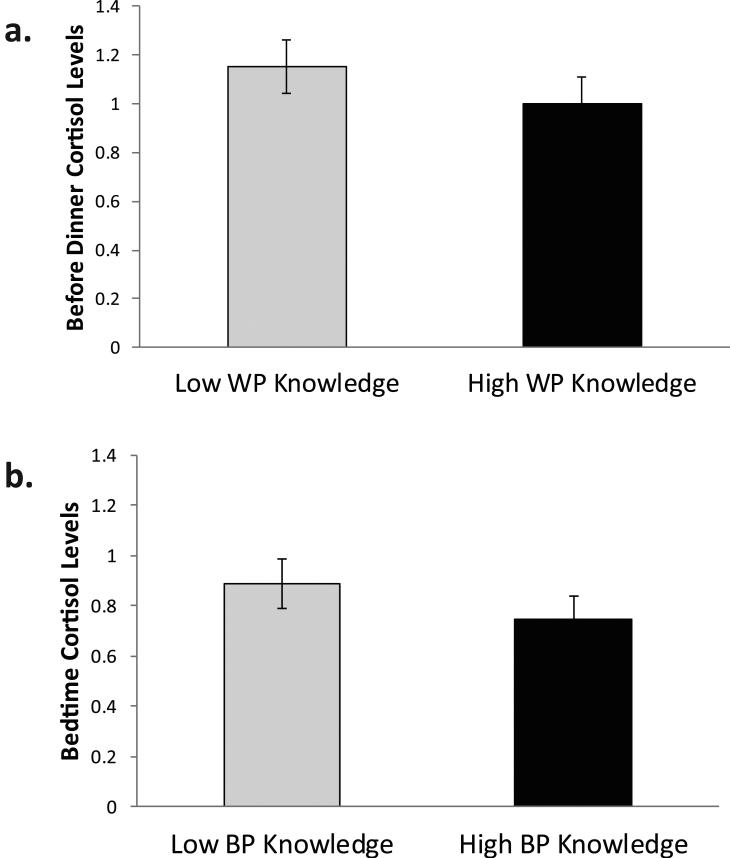
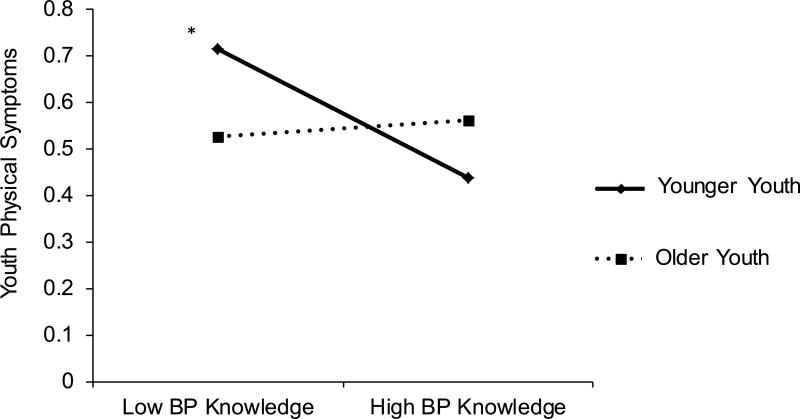
Description:Considerable evidence documents linkages between parental knowledge of youth activities and youth risky behavior. We extended this research to determine whether parental knowledge was associated with youth physical health, including reports of physical symptoms (e.g., headaches, stomachaches) and a biomarker of hypothalamic pituitary adrenocortical (HPA) axis functioning (i.e., salivary cortisol levels). Participants were children of employees in the Information Technology division of a Fortune 500 company (N = 132, mean age youth = 13.39 years, 55% female) who participated in a daily diary study. Data were collected via telephone calls on 8 consecutive evenings. On 4 study days, cortisol samples were collected at 4 time points (waking, 30 min after waking, before dinner, bedtime). Multilevel models revealed that, at the between-person level, youth whose parents had higher average knowledge about their activities, exhibited lower bedtime cortisol levels. Furthermore, at the within-person level, on days when parents displayed more knowledge than usual (relative to their own 8-day average), youth had lower before-dinner cortisol than usual. Linkages between average parental knowledge and physical health symptoms were moderated by youth age: Younger but not older adolescents whose parents were more knowledgeable had fewer physical health symptoms, on average. A next step is to identify the processes that underlie these associations.
-
Subjects:
-
Keywords:
-
Source:J Fam Psychol. 30(2):245-253
-
Pubmed ID:26751757
-
Pubmed Central ID:PMC4767617
-
Document Type:
-
Funding:U01OH008788/OH/NIOSH CDC HHSUnited States/ ; U01 HD051217/HD/NICHD NIH HHSUnited States/ ; U01 HD051256/HD/NICHD NIH HHSUnited States/ ; R03 AG046393/AG/NIA NIH HHSUnited States/ ; U01HD059773/HD/NICHD NIH HHSUnited States/ ; U01HD051276/HD/NICHD NIH HHSUnited States/ ; UL1 TR001425/TR/NCATS NIH HHSUnited States/ ; U01AG027669/AG/NIA NIH HHSUnited States/ ; U01 OH008788/OH/NIOSH CDC HHSUnited States/ ; U01HD051217/HD/NICHD NIH HHSUnited States/ ; U01 AG027669/AG/NIA NIH HHSUnited States/ ; U01 HD059773/HD/NICHD NIH HHSUnited States/ ; U01 HD051276/HD/NICHD NIH HHSUnited States/ ; U01 HD051218/HD/NICHD NIH HHSUnited States/ ; U01HD051256/HD/NICHD NIH HHSUnited States/ ; U01HD051218/HD/NICHD NIH HHSUnited States/
-
Volume:30
-
Issue:2
-
Download URL:
-
File Type:
 [PDF - 675.48 KB]
 -
Collection(s):
-
Main Document Checksum:urn:sha256:fb6690c51a6a0afef91d4a5d36cc9da8af1b749f0f3b6d1818fc9f9ec4906e49
Supporting Files


File Language:
English
 Was this page helpful?
 Found an issue?

CDC STACKS serves as an archival repository of CDC-published products including
scientific findings, journal articles, guidelines, recommendations, or other public health information authored or
co-authored by CDC or funded partners.
As a repository, CDC STACKS retains documents in their original published format to ensure public access to scientific information.
As a repository, CDC STACKS retains documents in their original published format to ensure public access to scientific information.
You May Also Like
COLLECTION
CDC Public Access