



Tailoring light-matter coupling in semiconductor and hybrid-plasmonic nanowires
Supporting Files

-
8 2014 ; 8-2014
-
Available in CDC Stacks on May 06, 2016, 12:00 AM
File Language:
English
Details
-
Alternative Title:Rep Prog Phys
-
Personal Author:
-
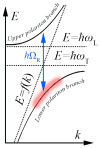
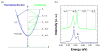
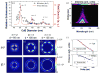
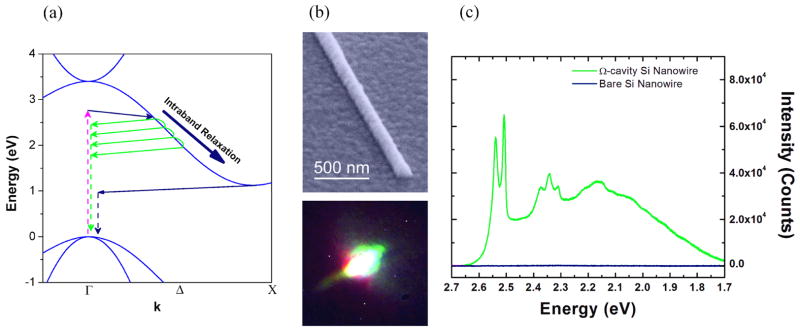
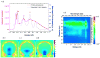
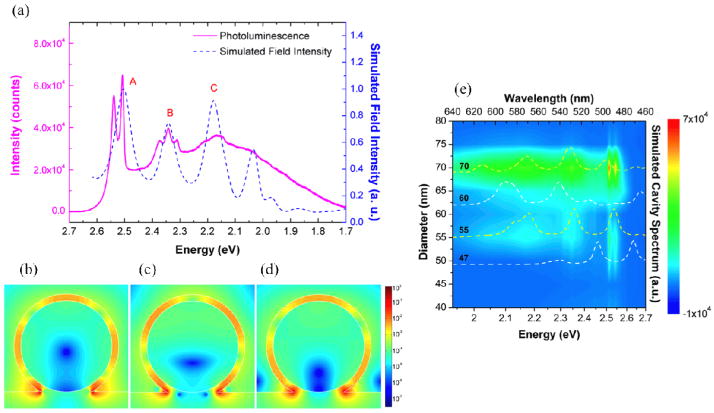
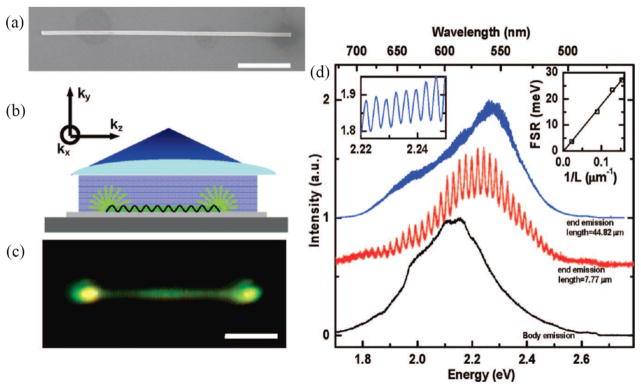
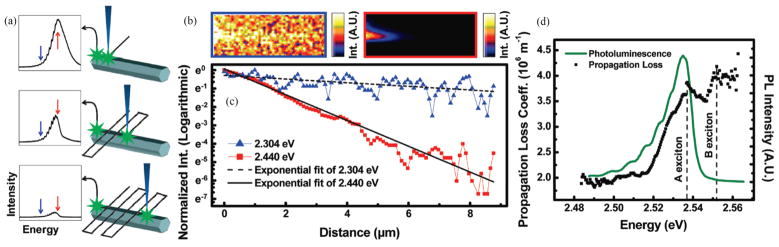
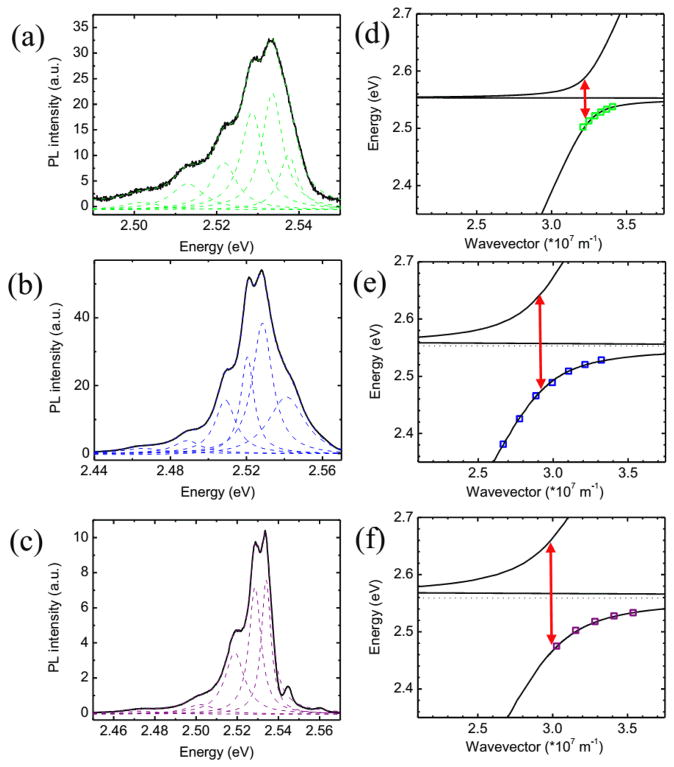
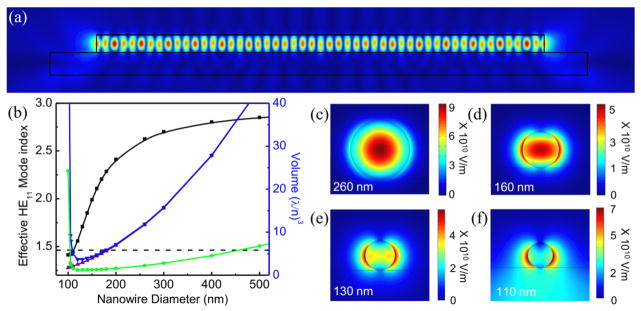
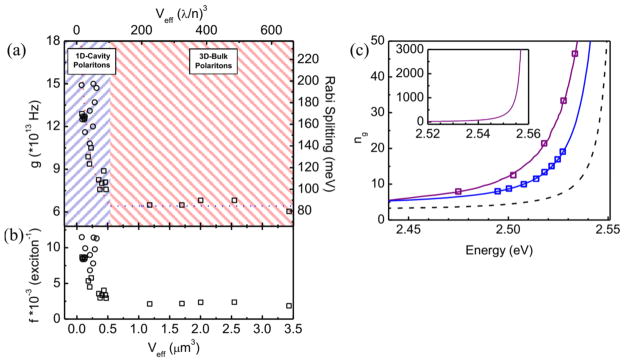
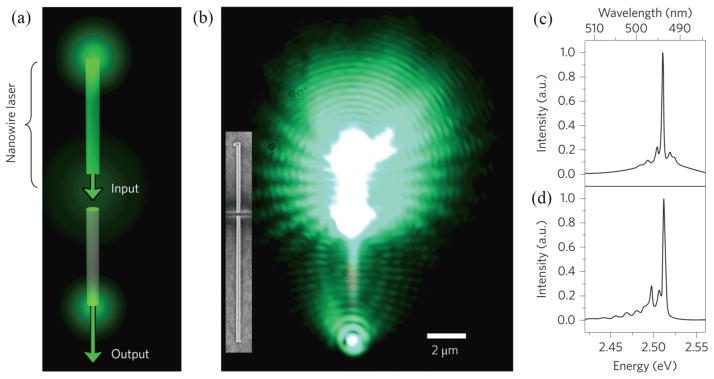
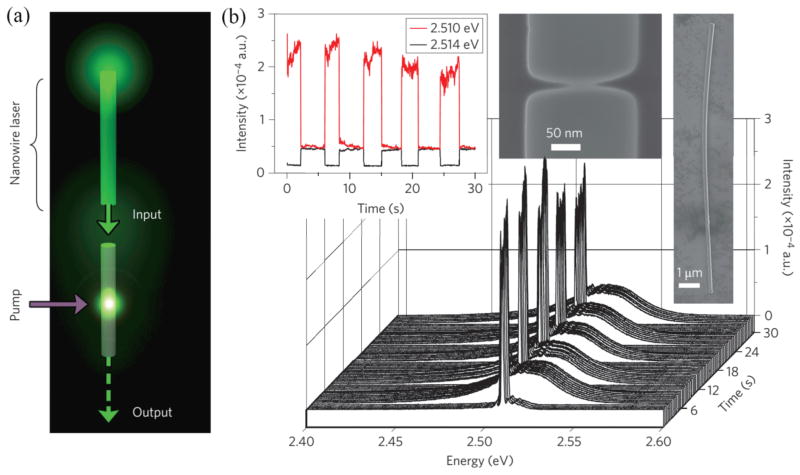
Description:Understanding interactions between light and matter is central to many fields, providing invaluable insights into the nature of matter. In its own right, a greater understanding of light-matter coupling has allowed for the creation of tailored applications, resulting in a variety of devices such as lasers, switches, sensors, modulators, and detectors. Reduction of optical mode volume is crucial to enhancing light-matter coupling strength, and among solid-state systems, self-assembled semiconductor and hybrid-plasmonic nanowires are amenable to creation of highly-confined optical modes. Following development of unique spectroscopic techniques designed for the nanowire morphology, carefully engineered semiconductor nanowire cavities have recently been tailored to enhance light-matter coupling strength in a manner previously seen in optical microcavities. Much smaller mode volumes in tailored hybrid-plasmonic nanowires have recently allowed for similar breakthroughs, resulting in sub-picosecond excited-state lifetimes and exceptionally high radiative rate enhancement. Here, we review literature on light-matter interactions in semiconductor and hybrid-plasmonic monolithic nanowire optical cavities to highlight recent progress made in tailoring light-matter coupling strengths. Beginning with a discussion of relevant concepts from optical physics, we will discuss how our knowledge of light-matter coupling has evolved with our ability to produce ever-shrinking optical mode volumes, shifting focus from bulk materials to optical microcavities, before moving on to recent results obtained from semiconducting nanowires.
-
Keywords:
-
Source:Rep Prog Phys. 77(8):086401
-
Pubmed ID:25093385
-
Pubmed Central ID:PMC4859436
-
Document Type:
-
Funding:
-
Volume:77
-
Issue:8
-
Download URL:
-
File Type:
 [PDF - 2.49 MB]
 -
Collection(s):
-
Main Document Checksum:urn:sha256:cb79cf693d51b2c0bfb743bb7122facee750bb5103c116d3648401a30a322e9e
Supporting Files


File Language:
English
 Was this page helpful?
 Found an issue?













CDC STACKS serves as an archival repository of CDC-published products including
scientific findings, journal articles, guidelines, recommendations, or other public health information authored or
co-authored by CDC or funded partners.
As a repository, CDC STACKS retains documents in their original published format to ensure public access to scientific information.
As a repository, CDC STACKS retains documents in their original published format to ensure public access to scientific information.
You May Also Like
COLLECTION
CDC Public Access