



Enzymatic Oxidative Biodegradation of Nanoparticles: Mechanisms, Significance and Applications
Supporting Files

-
5 15 2016 ; 5-15-
-
Available in CDC Stacks on 2017-05-15T00:00:00Z
File Language:
English
Details
-
Alternative Title:Toxicol Appl Pharmacol
-
Personal Author:
-
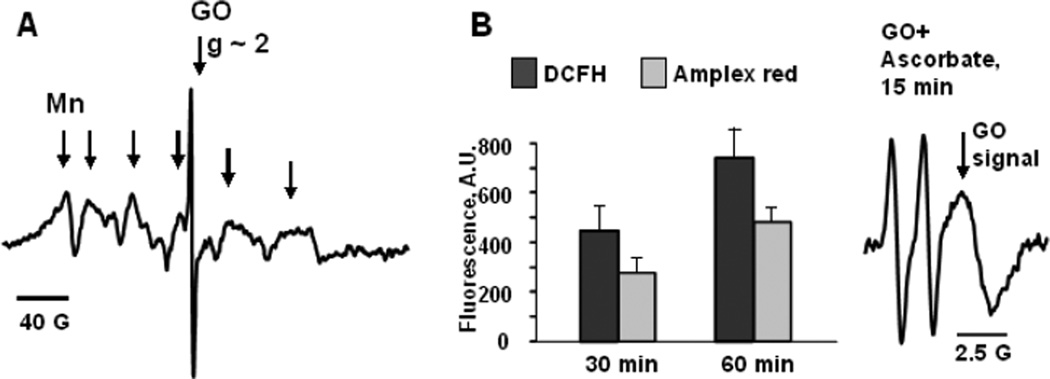
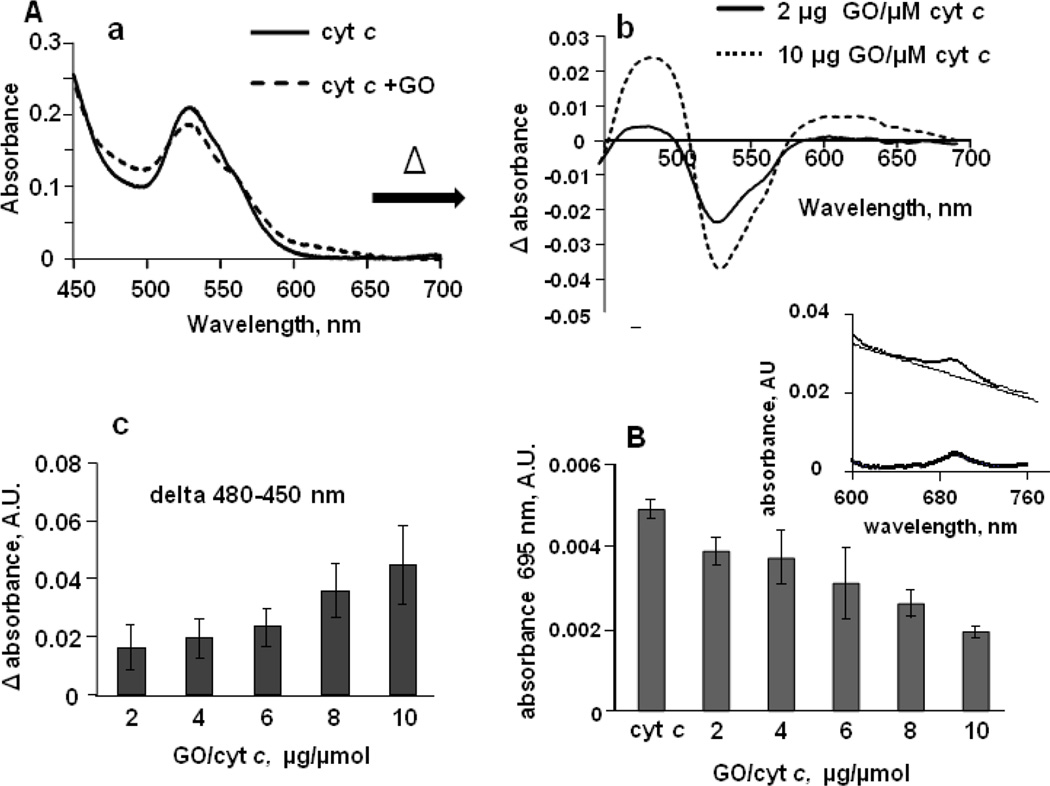
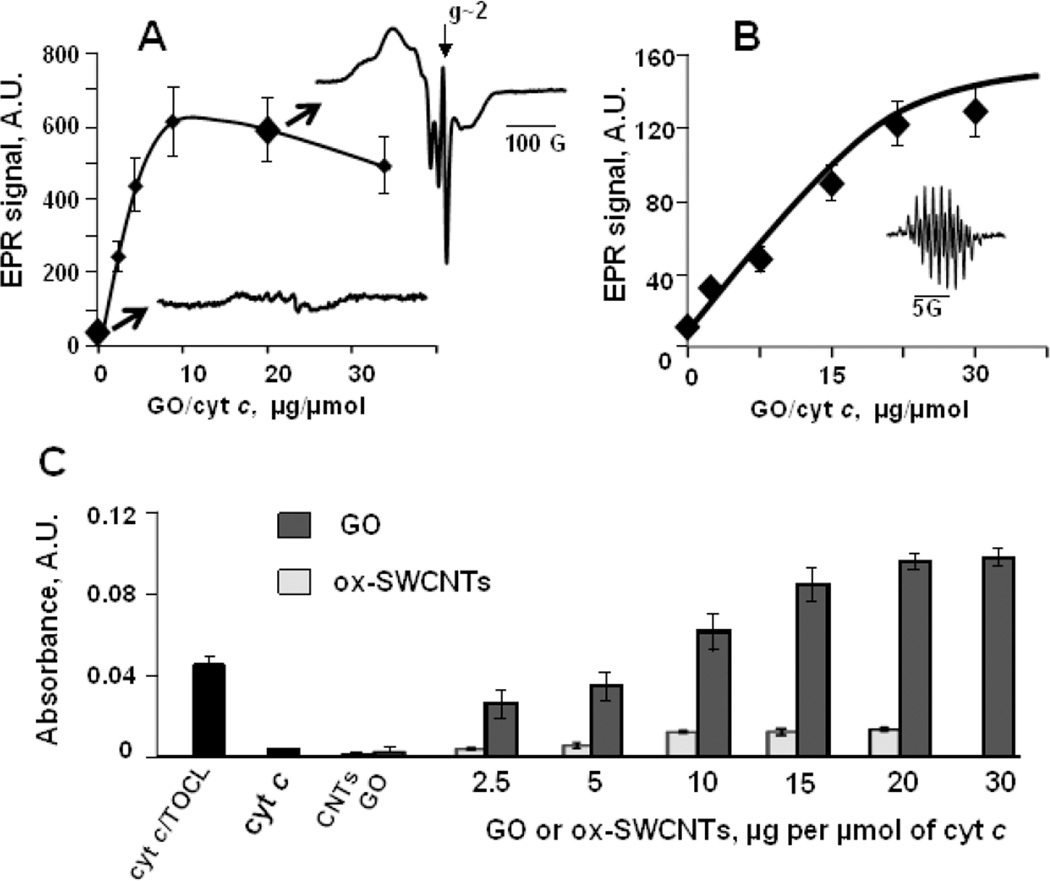
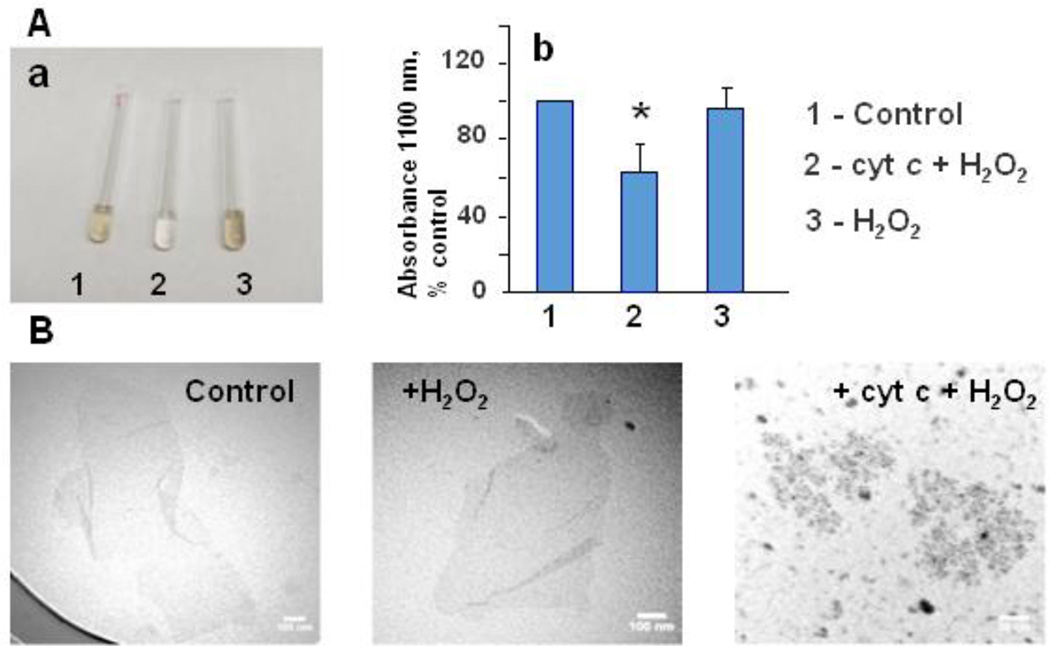
Description:Biopersistence of carbon nanotubes, graphene oxide (GO) and several other types of carbonaceous nanomaterials is an essential determinant of their health effects. Successful biodegradation is one of the major factors defining the life span and biological responses to nanoparticles. Here, we review the role and contribution of different oxidative enzymes of inflammatory cells - myeloperoxidase, eosinophil peroxidase, lactoperoxidase, hemoglobin, and xanthine oxidase - to the reactions of nanoparticle biodegradation. We further focus on interactions of nanomaterials with hemoproteins dependent on the specific features of their physico-chemical and structural characteristics. Mechanistically, we highlight the significance of immobilized peroxidase reactive intermediates vs diffusible small molecule oxidants (hypochlorous and hypobromous acids) for the overall oxidative biodegradation process in neutrophils and eosinophils. We also accentuate the importance of peroxynitrite-driven pathways realized in macrophages via the engagement of NADPH oxidase- and NO synthase-triggered oxidative mechanisms. We consider possible involvement of oxidative machinery of other professional phagocytes such as microglial cells, myeloid-derived suppressor cells, in the context of biodegradation relevant to targeted drug delivery. We evaluate the importance of genetic factors and their manipulations for the enzymatic biodegradation in vivo. Finally, we emphasize a novel type of biodegradation realized via the activation of the "dormant" peroxidase activity of hemoproteins by the nano-surface. This is exemplified by the binding of GO to cyt c causing the unfolding and 'unmasking' of the peroxidase activity of the latter. We conclude with the strategies leading to safe by design carbonaceous nanoparticles with optimized characteristics for mechanism-based targeted delivery and regulatable life-span of drugs in circulation.
-
Subjects:
-
Keywords:
-
Source:Toxicol Appl Pharmacol. 299:58-69
-
Pubmed ID:26768553
-
Pubmed Central ID:PMC4811710
-
Document Type:
-
Funding:R01 CA165065/CA/NCI NIH HHSUnited States/ ; R01 OH008282/OH/NIOSH CDC HHSUnited States/ ; R01 NS076511/NS/NINDS NIH HHSUnited States/ ; ES020693/ES/NIEHS NIH HHSUnited States/ ; R01ES019304/ES/NIEHS NIH HHSUnited States/ ; NS076511/NS/NINDS NIH HHSUnited States/ ; CA165065/CA/NCI NIH HHSUnited States/ ; P01 HL114453/HL/NHLBI NIH HHSUnited States/ ; R01 ES019304/ES/NIEHS NIH HHSUnited States/ ; R01 HL086884/HL/NHLBI NIH HHSUnited States/ ; NS061817/NS/NINDS NIH HHSUnited States/ ; R01 ES020693/ES/NIEHS NIH HHSUnited States/ ; U19 AI068021/AI/NIAID NIH HHSUnited States/ ; P01 HL070807/HL/NHLBI NIH HHSUnited States/ ; HL086884/HL/NHLBI NIH HHSUnited States/ ; P30 CA047904/CA/NCI NIH HHSUnited States/ ; P30CA047904/CA/NCI NIH HHSUnited States/ ; R37 NS061817/NS/NINDS NIH HHSUnited States/ ; OH008282/OH/NIOSH CDC HHSUnited States/ ; R01 NS061817/NS/NINDS NIH HHSUnited States/
-
Volume:299
-
Download URL:
-
File Type:
 [PDF - 2.36 MB]
 -
Collection(s):
-
Main Document Checksum:urn:sha256:24ee42dcef7d8e6bdb2b0ff07cb5def9349aaef775260aafa02ccfb6571c88bd
Supporting Files


File Language:
English
 Was this page helpful?
 Found an issue?







CDC STACKS serves as an archival repository of CDC-published products including
scientific findings, journal articles, guidelines, recommendations, or other public health information authored or
co-authored by CDC or funded partners.
As a repository, CDC STACKS retains documents in their original published format to ensure public access to scientific information.
As a repository, CDC STACKS retains documents in their original published format to ensure public access to scientific information.
You May Also Like
COLLECTION
CDC Public Access