


Drosophila comes of age as a model system for understanding the function of cytoskeletal proteins in cells, tissues, and organisms
Supporting Files

-
Jun 30 2015
Details
-
Alternative Title:Cytoskeleton (Hoboken)
-
Personal Author:
-
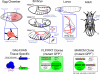
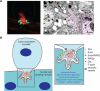
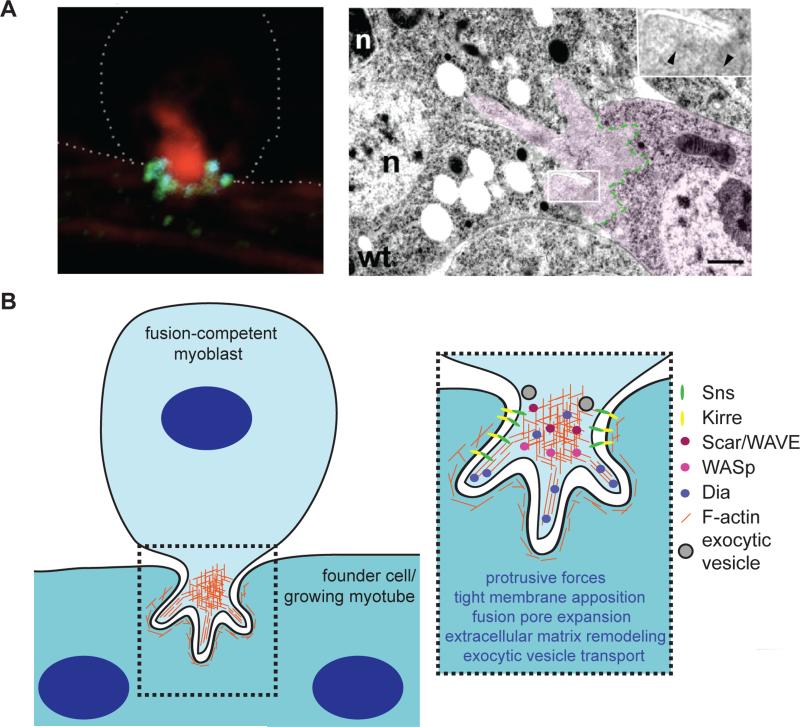
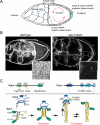
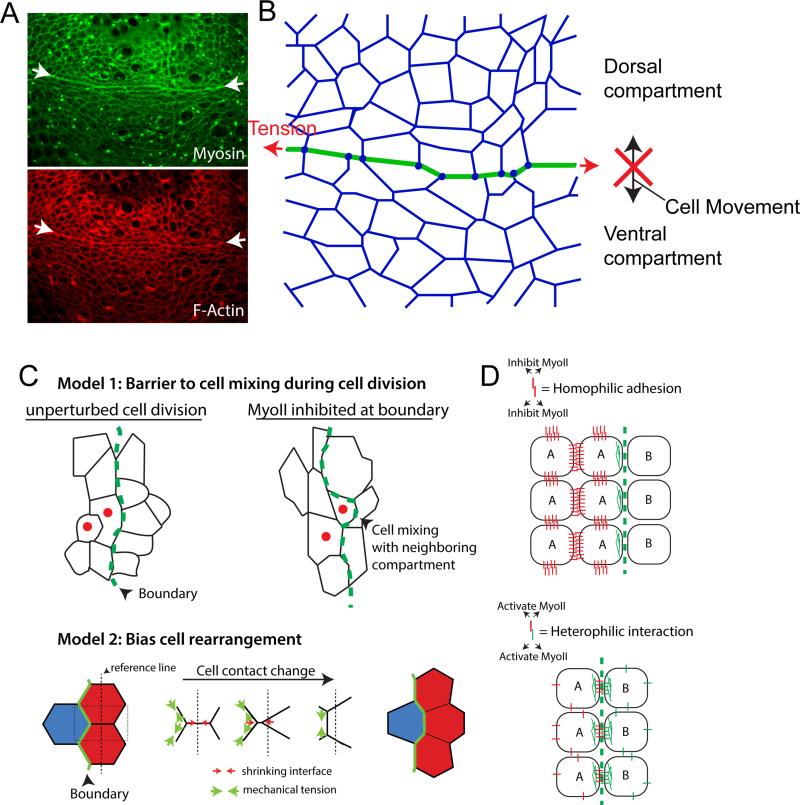
Description:For the last 100 years, Drosophila melanogaster has been a powerhouse genetic system for understanding mechanisms of inheritance, development, and behavior in animals. In recent years, advances in imaging and genetic tools have led to Drosophila becoming one of the most effective systems for unlocking the subcellular functions of proteins (and particularly cytoskeletal proteins) in complex developmental settings. In this review, written for non-Drosophila experts, we will discuss critical technical advances that have enabled these cell biological insights, highlighting three examples of cytoskeletal discoveries that have arisen as a result: (1) regulation of Arp2/3 complex in myoblast fusion, (2) cooperation of the actin filament nucleators Spire and Cappuccino in establishment of oocyte polarity, and (3) coordination of supracellular myosin cables. These specific examples illustrate the unique power of Drosophila both to uncover new cytoskeletal structures and functions, and to place these discoveries in a broader in vivo context, providing insights that would have been impossible in a cell culture model or in vitro. Many of the cellular structures identified in Drosophila have clear counterparts in mammalian cells and tissues, and therefore elucidating cytoskeletal functions in Drosophila will be broadly applicable to other organisms.
-
Subjects:
-
Source:Cytoskeleton (Hoboken). 72(5):207-224.
-
Pubmed ID:26074334
-
Pubmed Central ID:PMC4782189
-
Document Type:
-
Funding:
-
Volume:72
-
Issue:5
-
Collection(s):
-
Main Document Checksum:urn:sha256:7de77fc1c3b061f5a9a16eb2056e26e2d1aa07ab8f6a13504d13ad3b8206ded2
-
Download URL:
-
File Type:
 [PDF
- 1.96 MB
]
[PDF
- 1.96 MB
]
Supporting Files


ON THIS PAGE



CDC STACKS serves as an archival repository of CDC-published products including
scientific findings,
journal articles, guidelines, recommendations, or other public health information authored or
co-authored by CDC or funded partners.
As a repository, CDC STACKS retains documents in their original published format to ensure public access to scientific information.
As a repository, CDC STACKS retains documents in their original published format to ensure public access to scientific information.
You May Also Like
COLLECTION
CDC Public Access