


immunity
Supporting Files

-
Sep 22 2015
-
Details
-
Alternative Title:Sci Signal
-
Personal Author:Balasubramanian, Krishnakumar ; Maeda, Akihiro ; Lee, Janet S. ; Mohammadyani, Dariush ; Dar, Haider Hussain ; Jiang, Jian Fei ; St. Croix, Claudette M. ; Watkins, Simon ; Tyurin, Vladimir A. ; Tyurina, Yulia Y. ; Klöditz, Katharina ; Polimova, Anastassia ; Kapralova, Valentyna I. ; Xiong, Zeyu ; Ray, Prabir ; Klein-Seetharaman, Judith ; Mallampalli, Rama K. ; Bayir, Hülya ; Fadeel, Bengt ; Kagan, Valerian E.
-
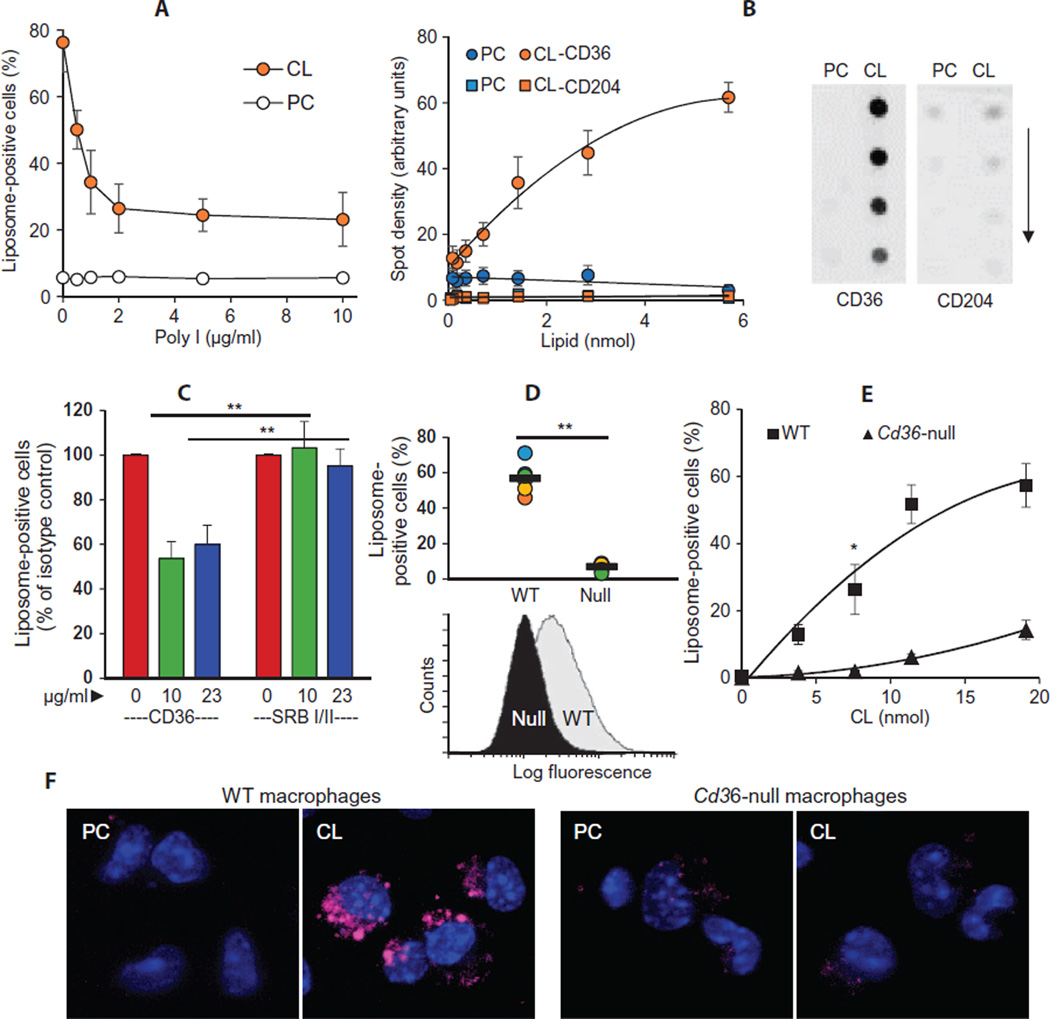
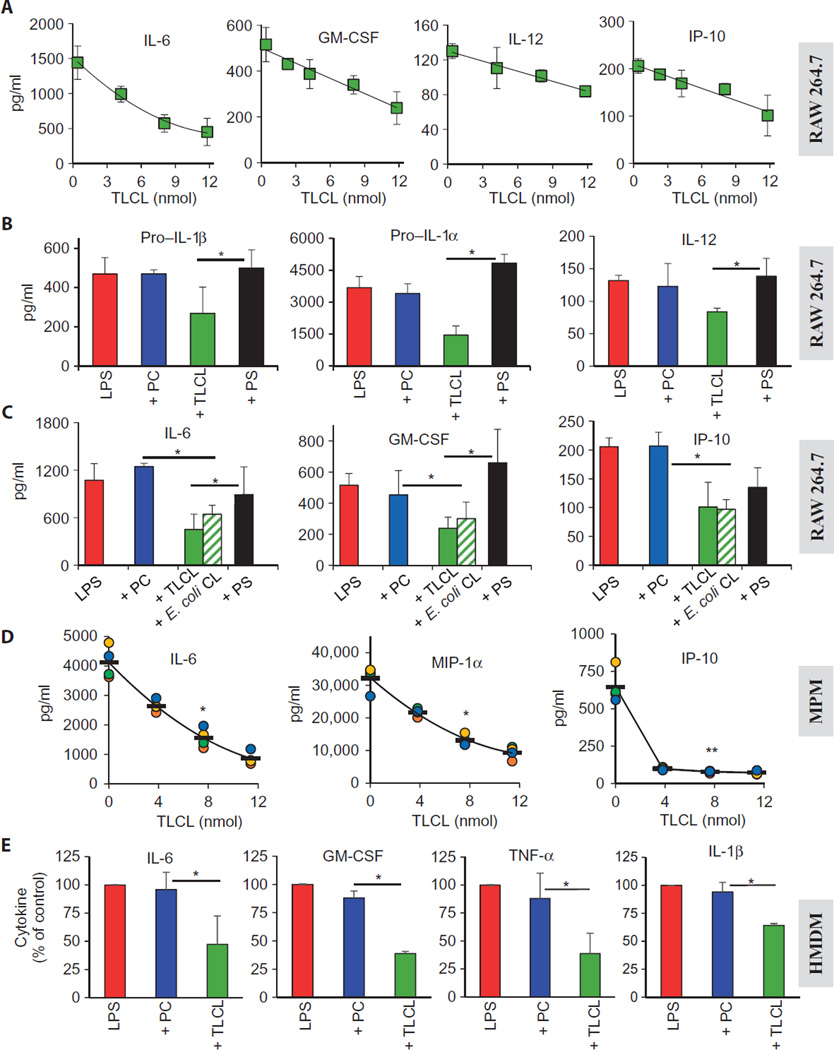
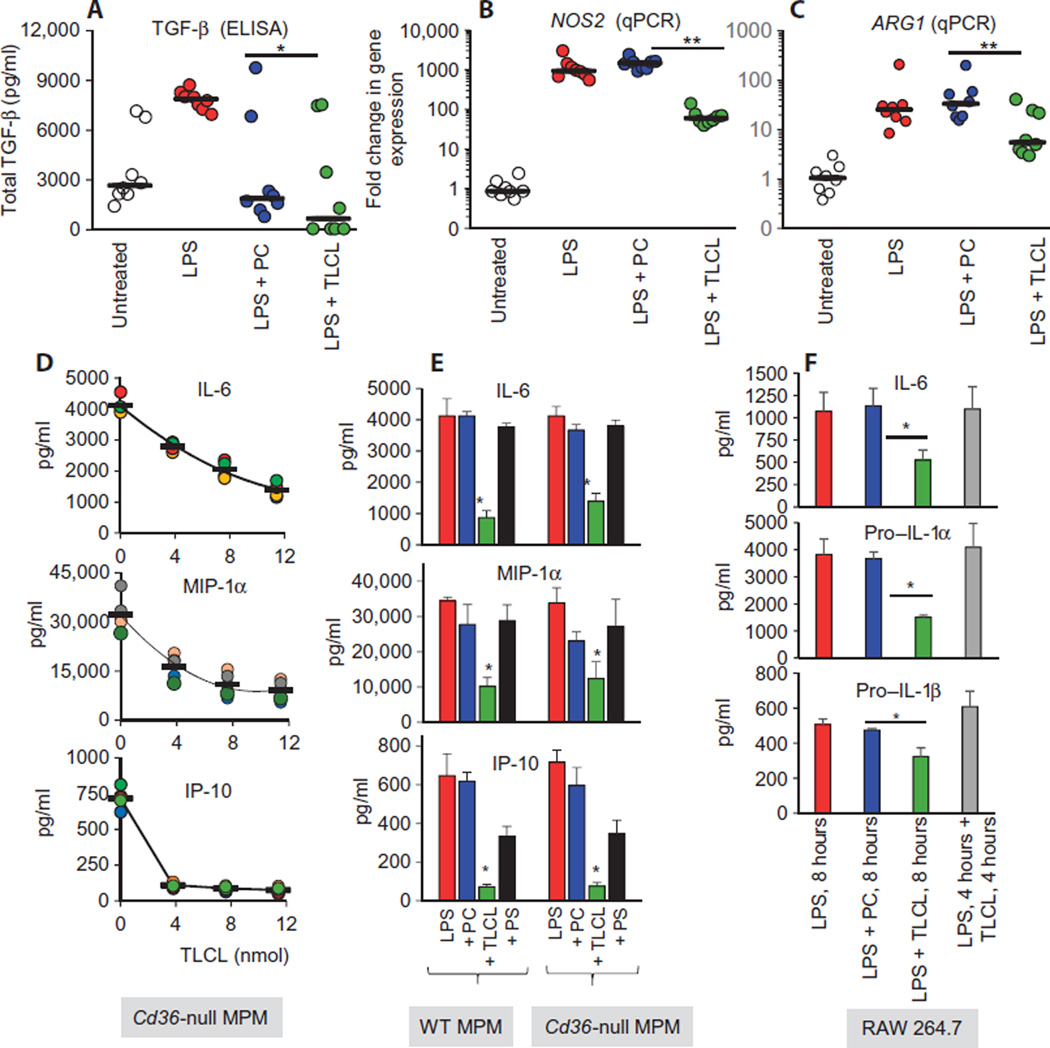
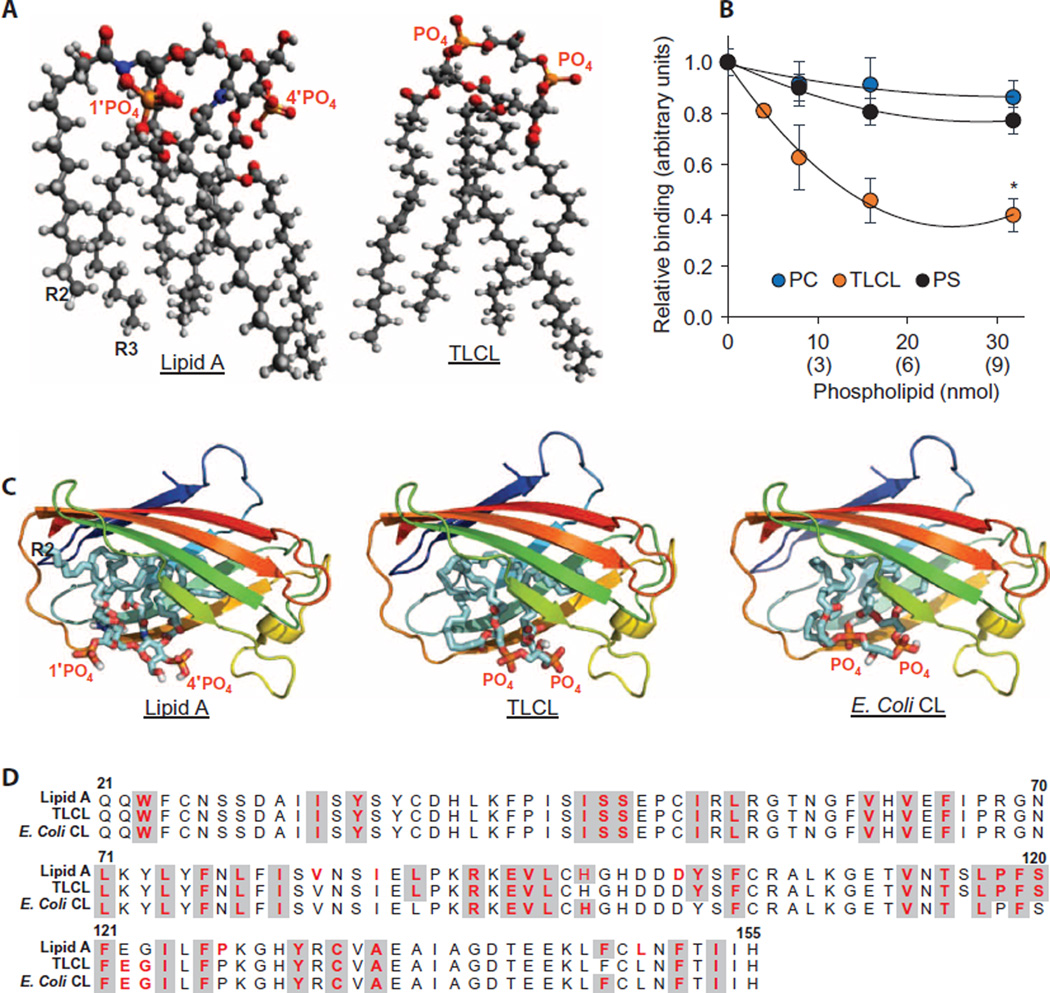
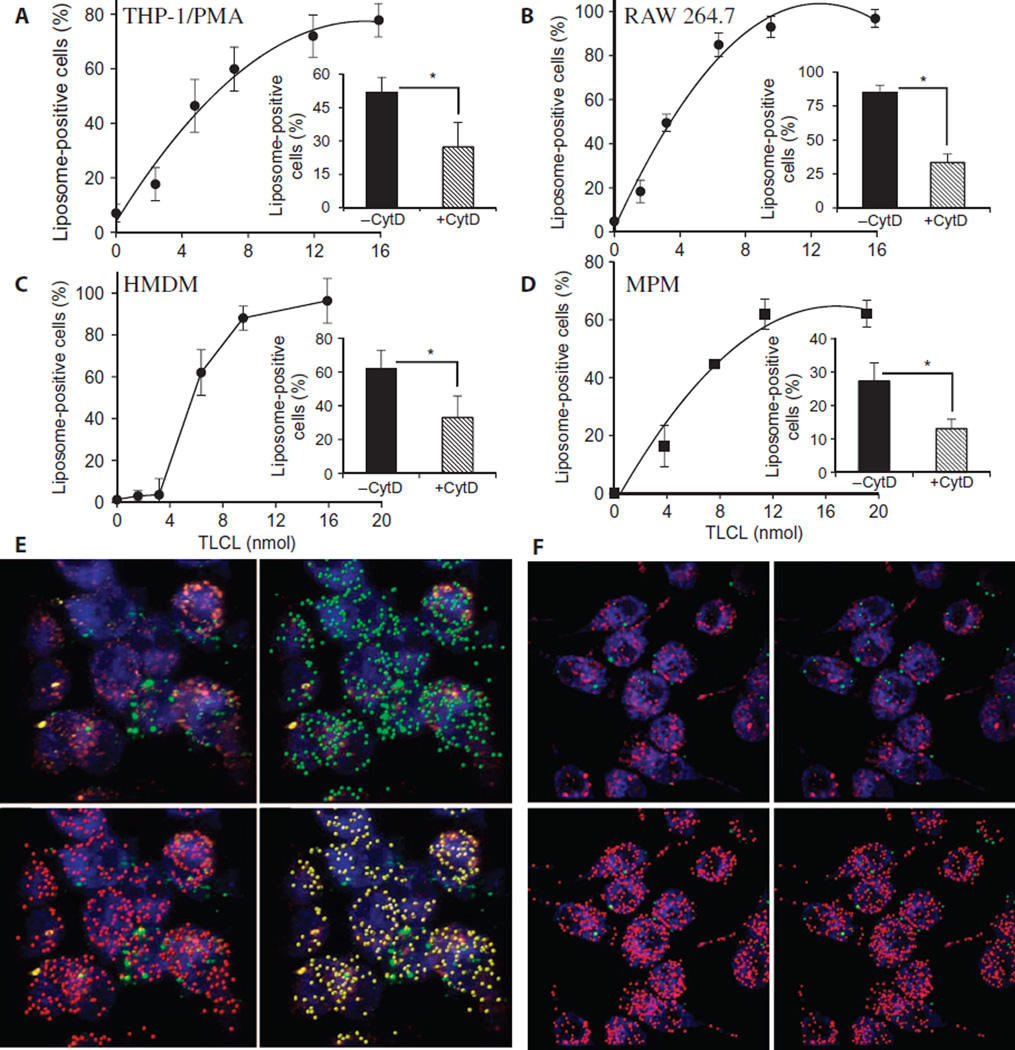
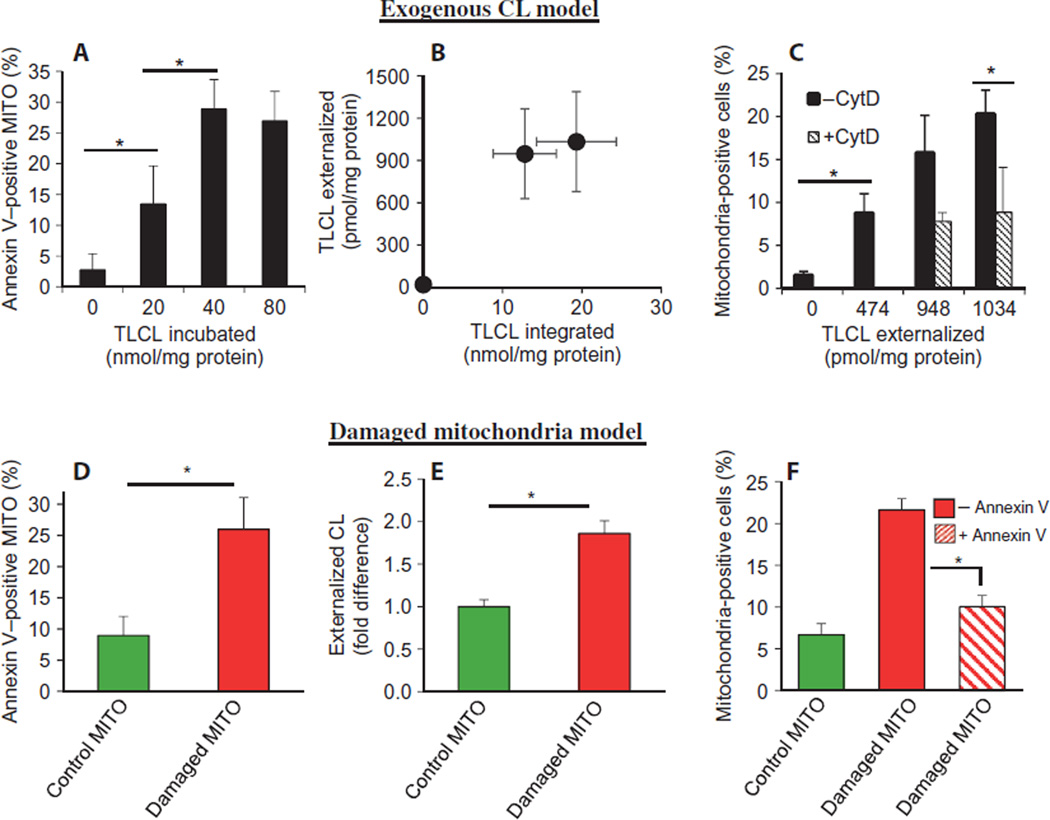
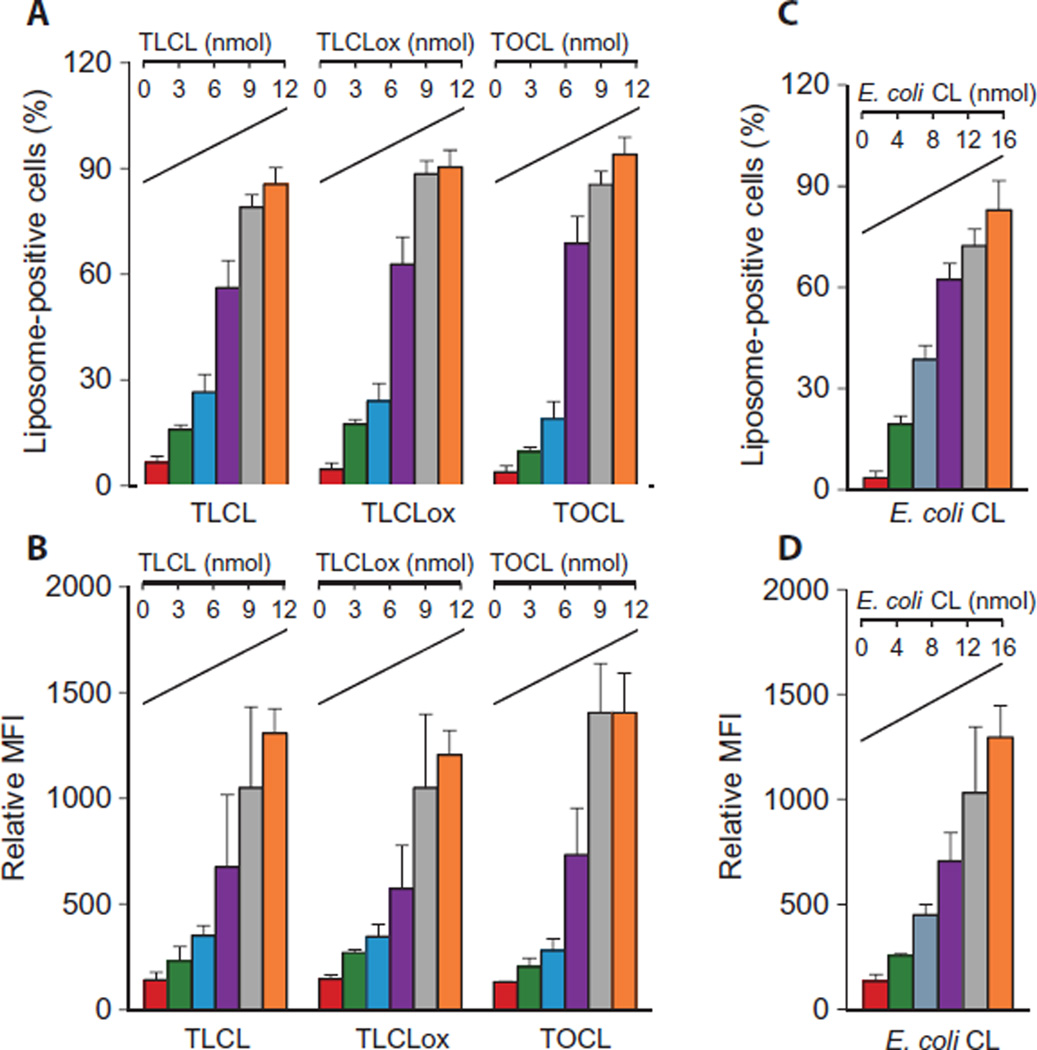
Description:Among the distinct molecular signatures present in the mitochondrion is the tetra-acylated anionic phospholipid cardiolipin, a lipid also present in primordial, single-cell bacterial ancestors of mitochondria and multiple bacterial species today. Cardiolipin is normally localized to the inner mitochondrial membrane; however, when cardiolipin becomes externalized to the surface of dysregulated mitochondria, it promotes inflammasome activation and stimulates the elimination of damaged or nonfunctional mitochondria by mitophagy. Given the immunogenicity of mitochondrial and bacterial membranes that are released during sterile and pathogen-induced trauma, we hypothesized that cardiolipins might function as "eat me" signals for professional phagocytes. In experiments with macrophage cell lines and primary macrophages, we found that membranes with mitochondrial or bacterial cardiolipins on their surface were engulfed through phagocytosis, which depended on the scavenger receptor CD36. Distinct from this process, the copresentation of cardiolipin with the Toll-like receptor 4 (TLR4) agonist lipopolysaccharide dampened TLR4-stimulated production of cytokines. These data suggest that externalized, extracellular cardiolipins play a dual role in host-host and host-pathogen interactions by promoting phagocytosis and attenuating inflammatory immune responses.
-
Subjects:
-
Source:Sci Signal. 8(395):ra95.
-
Pubmed ID:26396268
-
Pubmed Central ID:PMC4760701
-
Document Type:
-
Funding:CA165065/CA/NCI NIH HHS/United States ; ES020693/ES/NIEHS NIH HHS/United States ; HL086884/HL/NHLBI NIH HHS/United States ; NS061817/NS/NINDS NIH HHS/United States ; NS076511/NS/NINDS NIH HHS/United States ; OH008282/OH/NIOSH CDC HHS/United States ; P01 HL114453/HL/NHLBI NIH HHS/United States ; P30CA047904/CA/NCI NIH HHS/United States ; R01 HL086884/HL/NHLBI NIH HHS/United States ; U19AIO68021/PHS HHS/United States
-
Volume:8
-
Issue:395
-
Collection(s):
-
Main Document Checksum:urn:sha256:fed890ee8ce3875d53855e90d35f397b74f7e3a87bbd49a9115fefe3949f845e
-
Download URL:
-
File Type:
 [PDF
- 3.42 MB
]
[PDF
- 3.42 MB
]
Supporting Files


ON THIS PAGE




CDC STACKS serves as an archival repository of CDC-published products including
scientific findings,
journal articles, guidelines, recommendations, or other public health information authored or
co-authored by CDC or funded partners.
As a repository, CDC STACKS retains documents in their original published format to ensure public access to scientific information.
As a repository, CDC STACKS retains documents in their original published format to ensure public access to scientific information.
You May Also Like
COLLECTION
CDC Public Access