


Immunochemical detection of the occupational allergen, methylene diphenyl diisocyanate (MDI), in situ
Supporting Files

-
Dec 12 2015
Details
-
Alternative Title:J Immunol Methods
-
Personal Author:
-
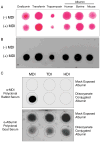
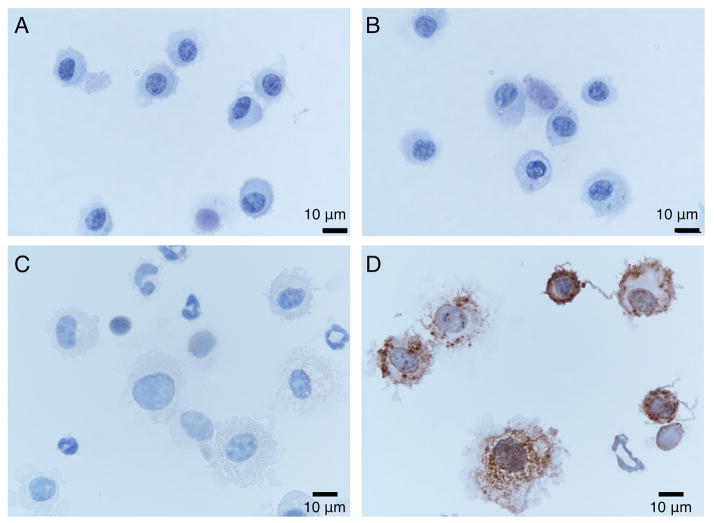
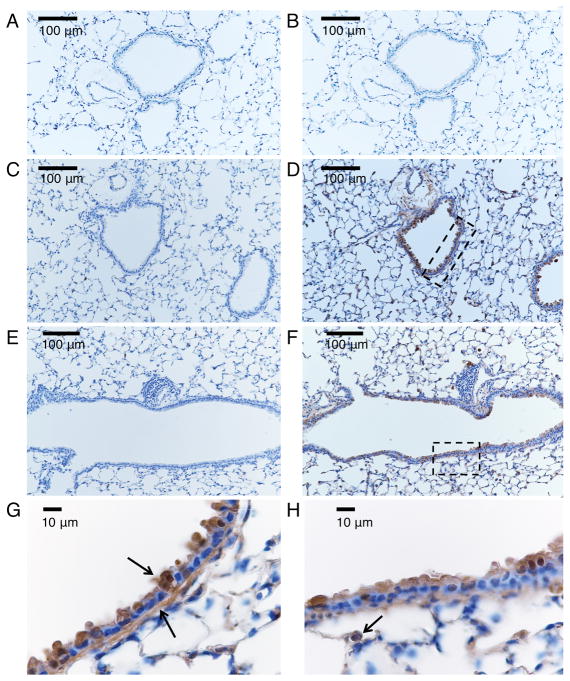
Description:Diisocyanate chemicals essential to polyurethane production are a well-recognized cause of occupational asthma. The pathogenesis of diisocyanate-induced asthma, including the pathways by which the chemical is taken up and its distribution in exposed tissue, especially the lung, remains unclear. We developed an antiserum with specificity for methylene diphenyl diisocyanate (MDI) the most abundantly produced and utilized diisocyanate world-wide, and established its ability to detect MDI in situ. Polyclonal MDI-specific IgG was induced by immunizing rabbits with MDI-conjugated to keyhole limpet hemocyanin (KLH) emulsified in complete Freund's adjuvant, followed by two booster injections with incomplete Freund's adjuvant. The antiserum contains IgG that recognize a variety of different MDI conjugated proteins, but not unconjugated or mock exposed proteins by dot blot analysis. The antiserum further demonstrates specificity for proteins conjugated with MDI, but not other commonly used diisocyanates. Immunochemical studies with cytospun airway cells and formalin-fixed paraffin embedded lung tissue sections from mice intranasally exposed to MDI (as reversibly reactive glutathione conjugates, e.g. GSH-MDI) demonstrated the antiserum's ability to detect MDI in tissue samples. The data demonstrate penetration of MDI into the lower airways, localized deposition in the epithelial region surrounding airways, and uptake by alveolar macrophages. The new immunochemical reagent should be useful for further studies delineating the uptake and tissue distribution of MDI, especially as it relates to adverse health effects from exposure.
-
Subjects:
-
Source:J Immunol Methods. 429:60-65.
-
Pubmed ID:26690039
-
Pubmed Central ID:PMC4753098
-
Document Type:
-
Funding:
-
Volume:429
-
Collection(s):
-
Main Document Checksum:urn:sha256:9153bf4048e599e972c983ac2079a914f60468b905b6b4d77477cb570fd0e8fc
-
Download URL:
-
File Type:
 [PDF
- 823.18 KB
]
[PDF
- 823.18 KB
]
Supporting Files


ON THIS PAGE



CDC STACKS serves as an archival repository of CDC-published products including
scientific findings,
journal articles, guidelines, recommendations, or other public health information authored or
co-authored by CDC or funded partners.
As a repository, CDC STACKS retains documents in their original published format to ensure public access to scientific information.
As a repository, CDC STACKS retains documents in their original published format to ensure public access to scientific information.
You May Also Like
COLLECTION
CDC Public Access