



4,4’-Methylene Diphenyl Diisocyanate Exposure Induces Expression of Alternatively Activated Macrophage-Associated Markers and Chemokines Partially Through Krüppel-Like Factor 4 Mediated Signaling in Macrophages
Supporting Files

-
12 2023 ; 12-2023
-
Available in CDC Stacks on August 14, 2024, 12:00 AM

File Language:
English
Details
-
Alternative Title:Xenobiotica
-
Personal Author:
-
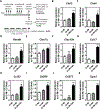
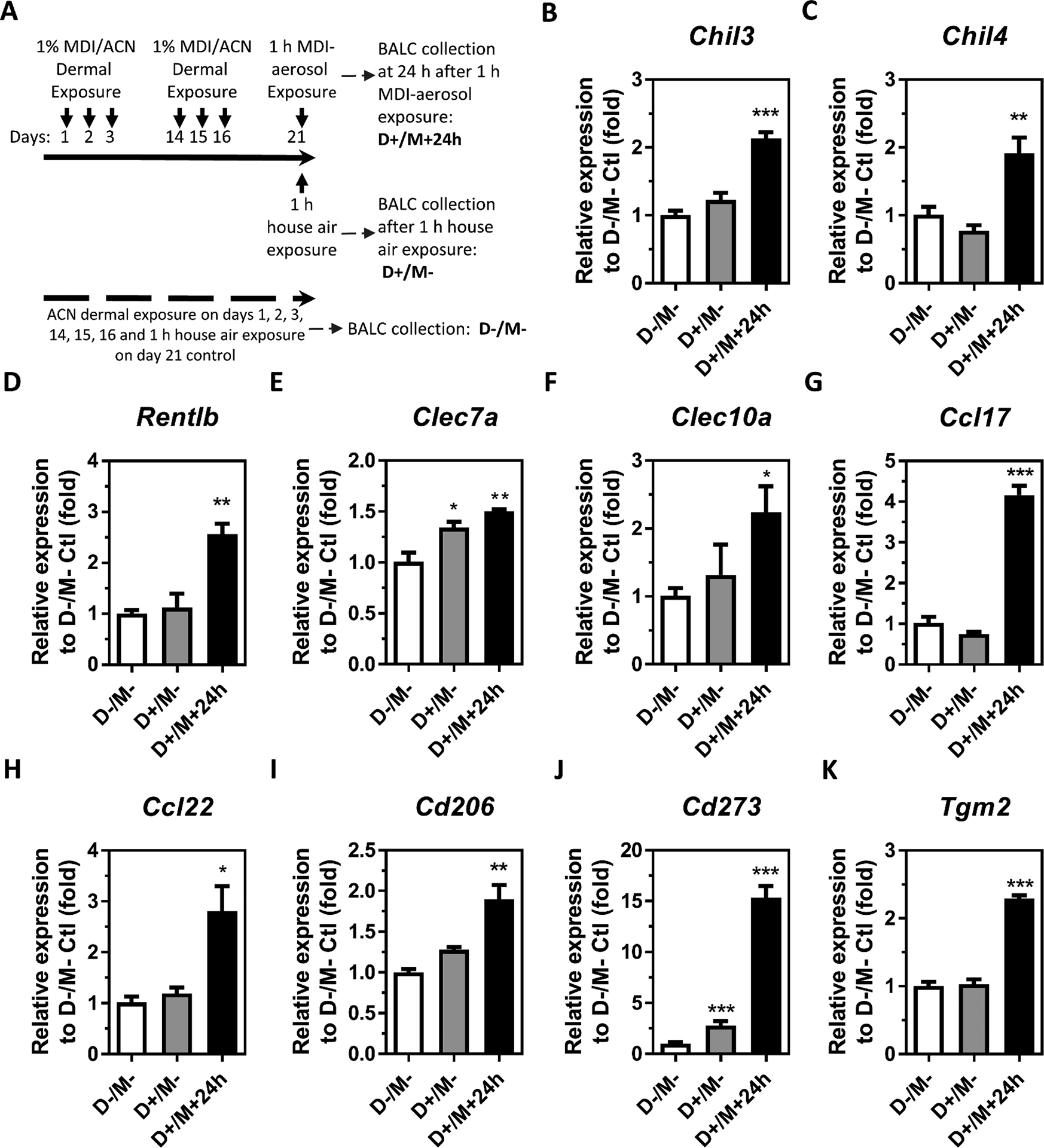
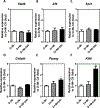
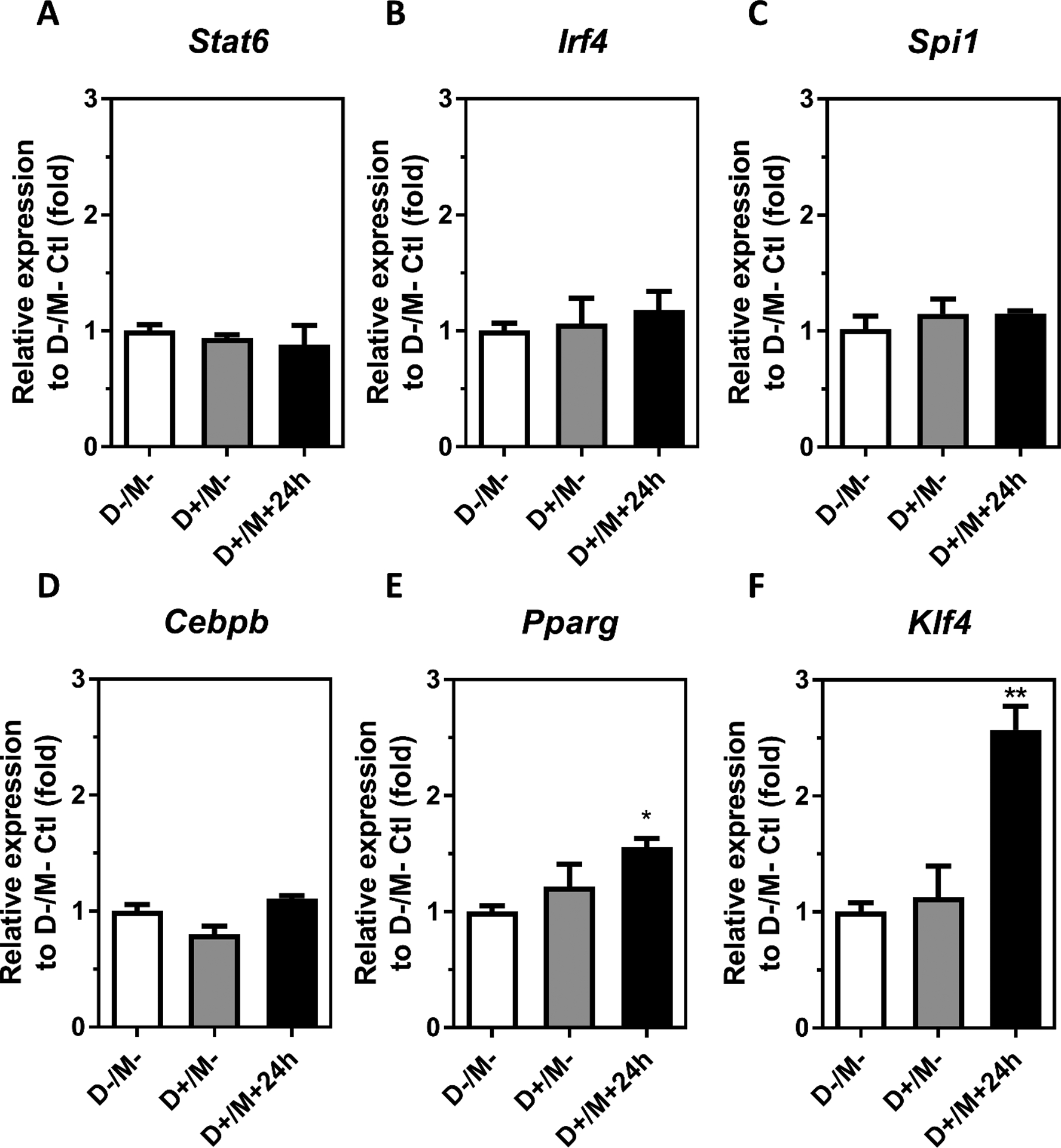
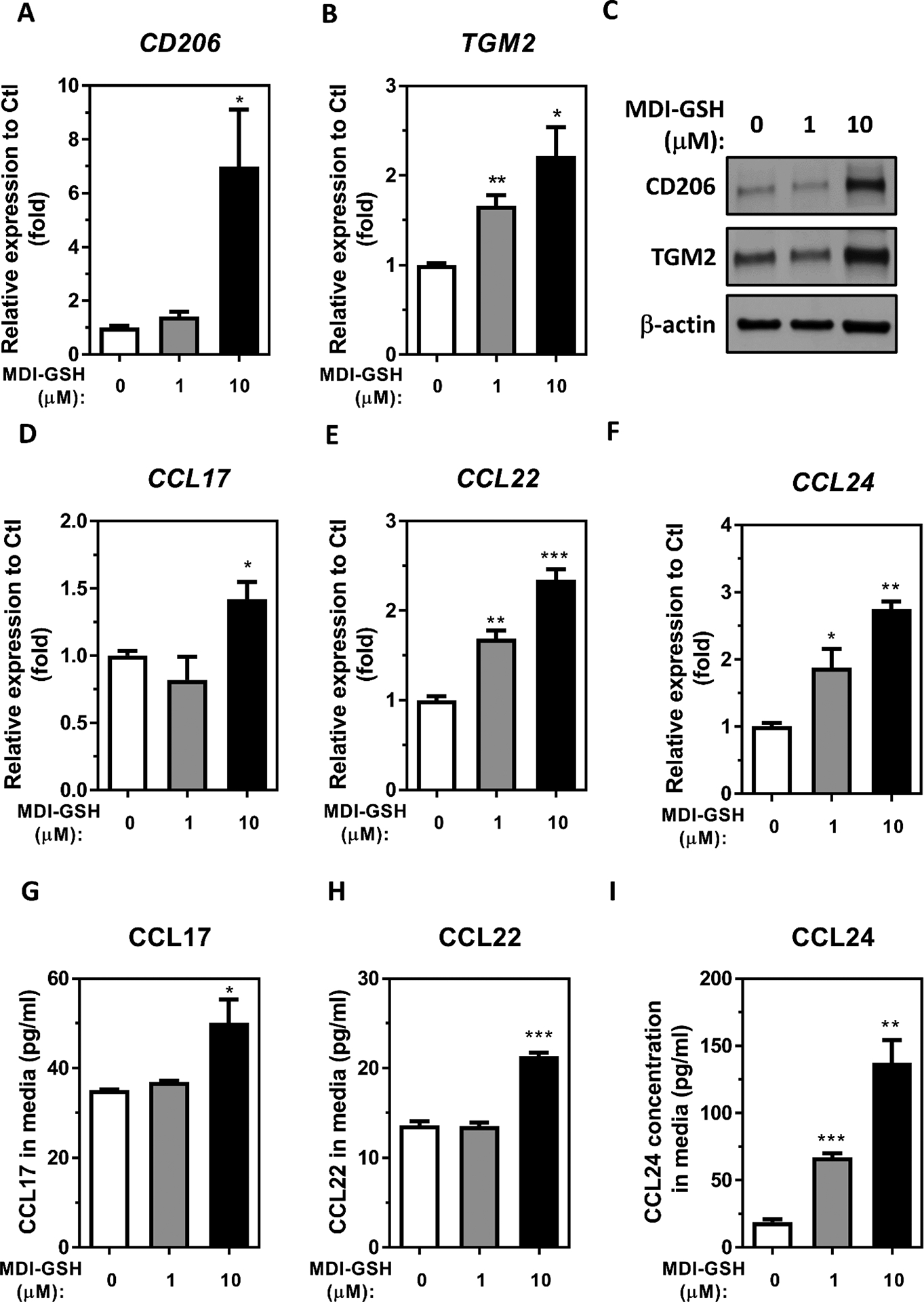
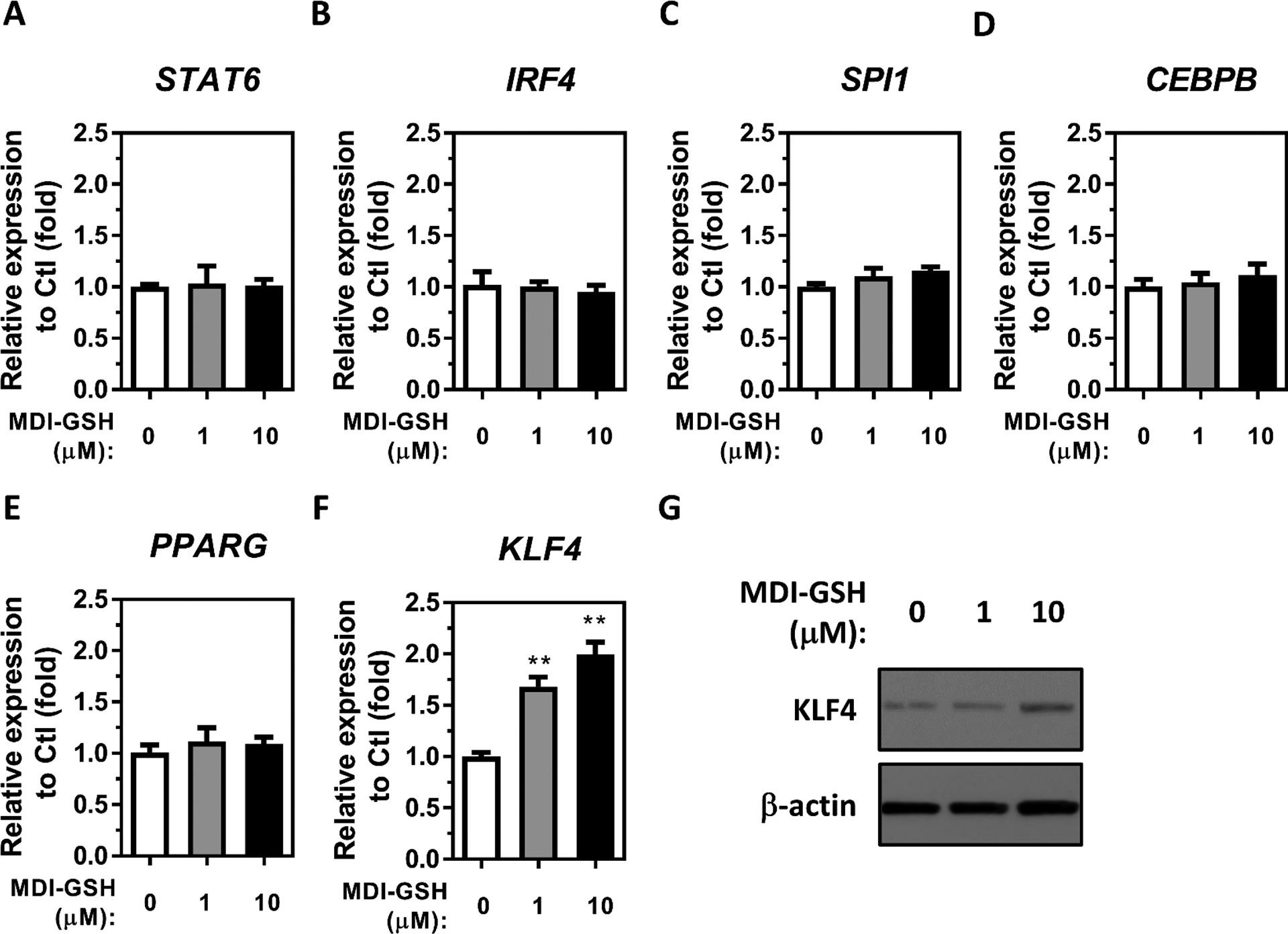
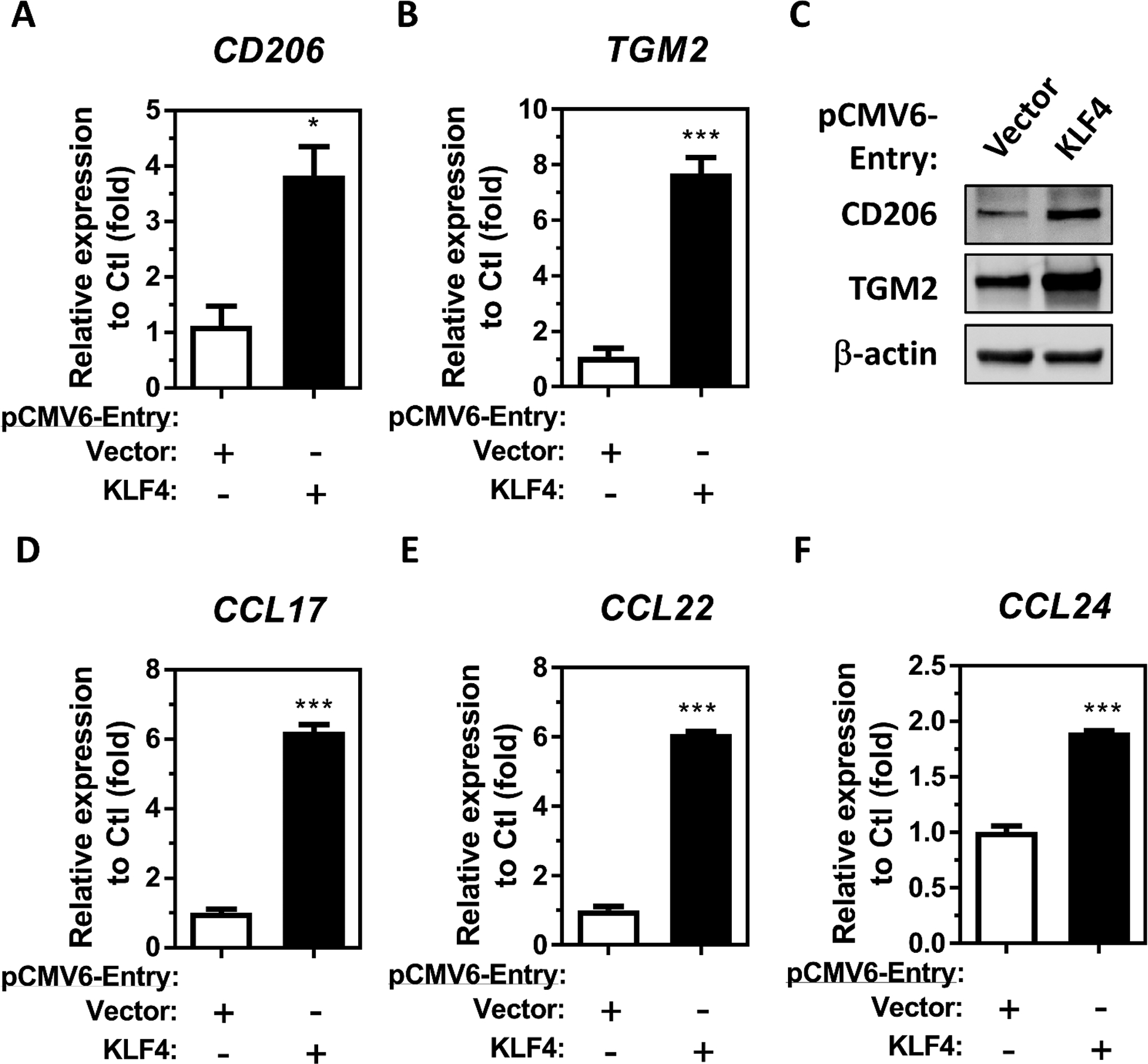
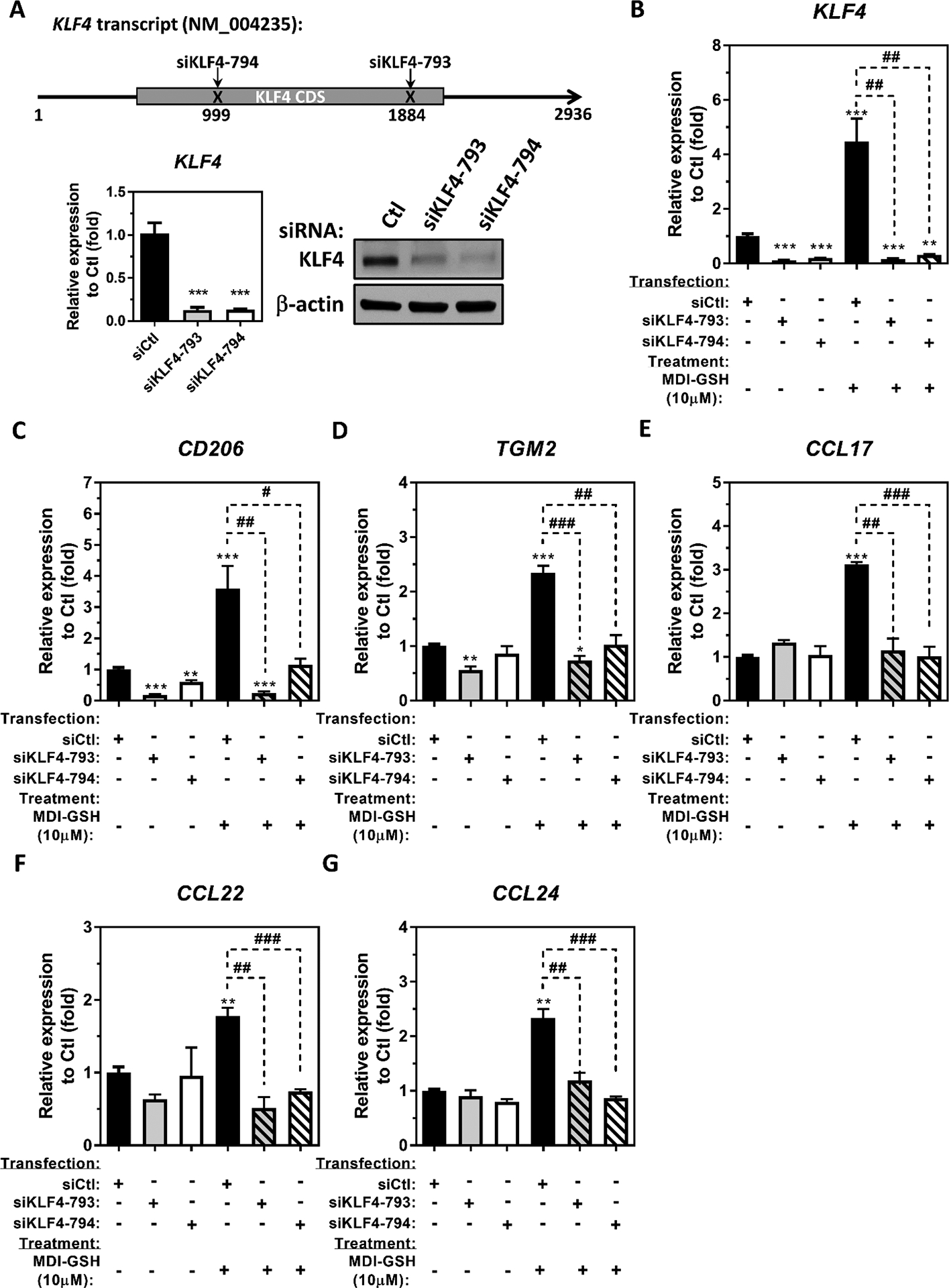
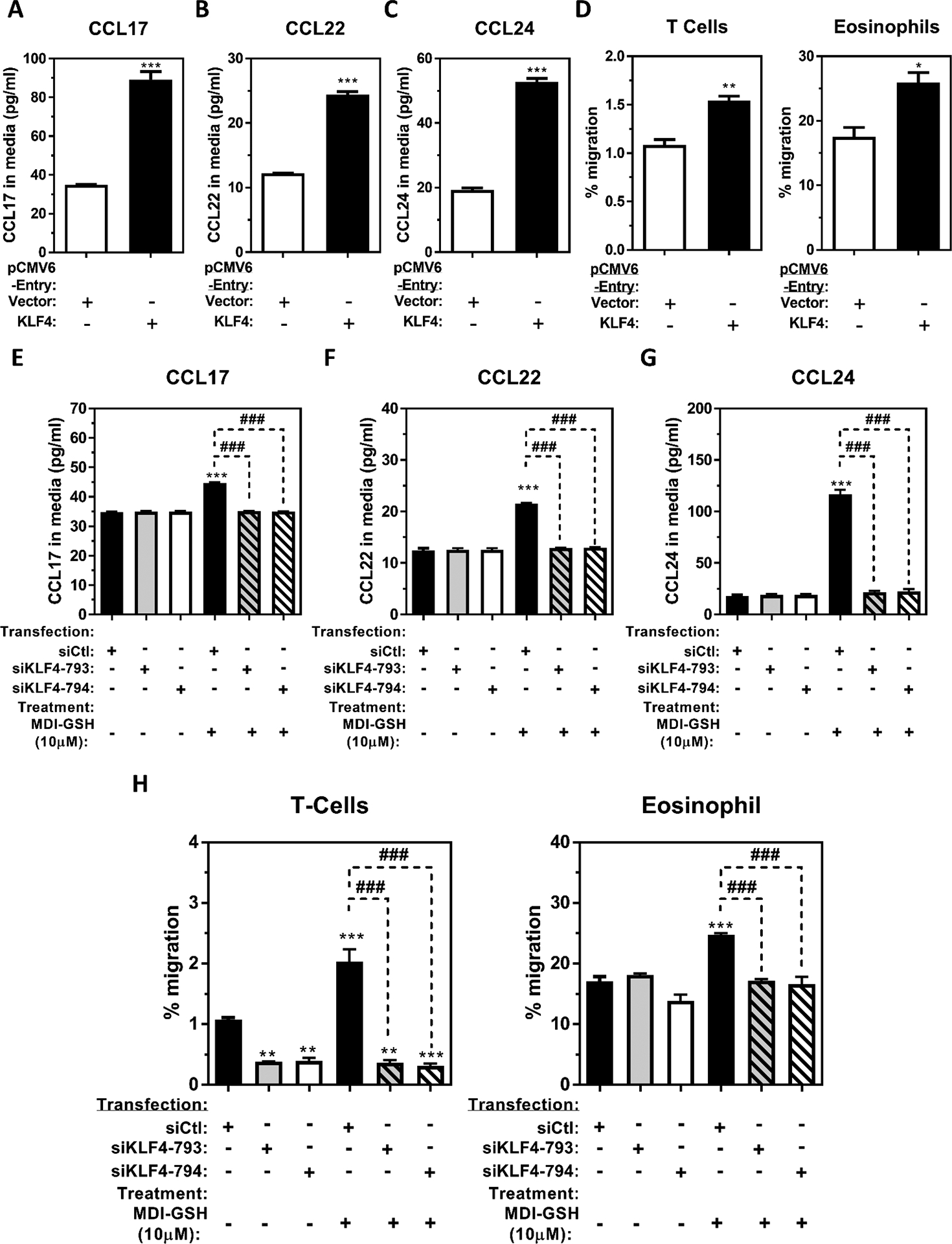
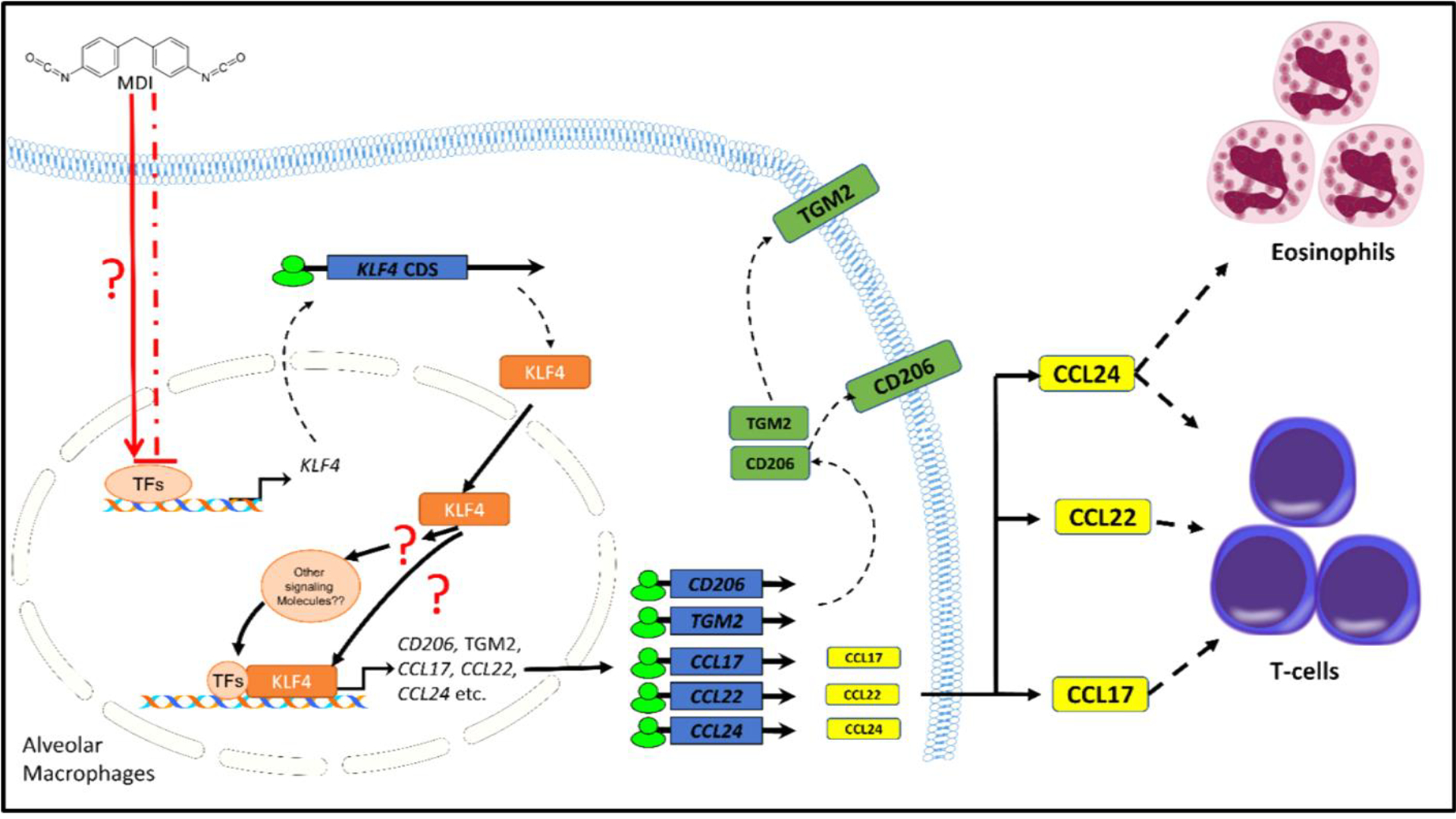
Description:Occupational exposure to the most widely used monomeric diisocyanate (dNCO), 4,4'-methylene diphenyl diisocyanate (MDI), may lead to the development of occupational asthma (OA). Alveolar macrophages with alternatively activated (M2) phenotype have been implicated in allergic airway responses and the pathogenesis of asthma. Recent | studies demonstrate that M2 macrophage-associated markers and chemokines are induced by MDI-exposure, however, the underlying molecular mechanism(s) by which this proceeds is unclear.Following MDI exposure (| and |) M2 macrophage-associated transcription factors (TFs), markers, and chemokines were determined by RT-qPCR, western blots, and ELISA.Expression of M2 macrophage-associated TFs and markers including |/KLF4, |/CD206, |/TGM2, |/CCL17, |/CCL22, and CCL24 were induced by MDI/MDI-GSH exposure in bronchoalveolar lavage cells (BALCs)/THP-1 macrophages. The expression of | and | are upregulated by 3.83-, 7.69-, 6.22-, 6.08-, and 1.90-fold in KLF4-overexpressed macrophages, respectively. Endogenous | and | were downregulated by 1.65-5.17-fold, and 1.15-1.78-fold, whereas | and | remain unchanged in KLF4-knockdown macrophages. Finally, MDI-glutathione (GSH) conjugate-treated macrophages show increased chemotactic ability to T-cells and eosinophils, which may be attenuated by KLF4 knockdown.Our data suggest that MDI exposure may induce M2 macrophage-associated markers partially through induction of KLF4.
-
Subjects:
-
Keywords:
-
Source:Xenobiotica. 53(12):653-669
-
Pubmed ID:38014489
-
Pubmed Central ID:PMC11323807
-
Document Type:
-
Funding:
-
Volume:53
-
Issue:12
-
Download URL:
-
File Type:
 [PDF - 1.98 MB]
 -
Collection(s):
-
Main Document Checksum:urn:sha-512:2d4548f4c6163110e2284c036b05c97eb8fb9d8d8bdb2202a08f4aa36dd8b1a8f81d1c39fb0a19962226e4cd79d1f201c25448d8247aebb9c4f8bcee7ec2b5c2
Supporting Files


File Language:
English
 Was this page helpful?
 Found an issue?

CDC STACKS serves as an archival repository of CDC-published products including
scientific findings, journal articles, guidelines, recommendations, or other public health information authored or
co-authored by CDC or funded partners.
As a repository, CDC STACKS retains documents in their original published format to ensure public access to scientific information.
As a repository, CDC STACKS retains documents in their original published format to ensure public access to scientific information.
You May Also Like
COLLECTION
CDC Public Access