



Minimum Requirements for Taxicab Security Cameras*
Supporting Files

-
Jul 2014
-
Details
-
Alternative Title:J Transp Technol
-
Personal Author:
-
Description:Problem
The homicide rate of taxicab-industry is 20 times greater than that of all workers. A NIOSH study showed that cities with taxicab-security cameras experienced significant reduction in taxicab driver homicides.
Methods
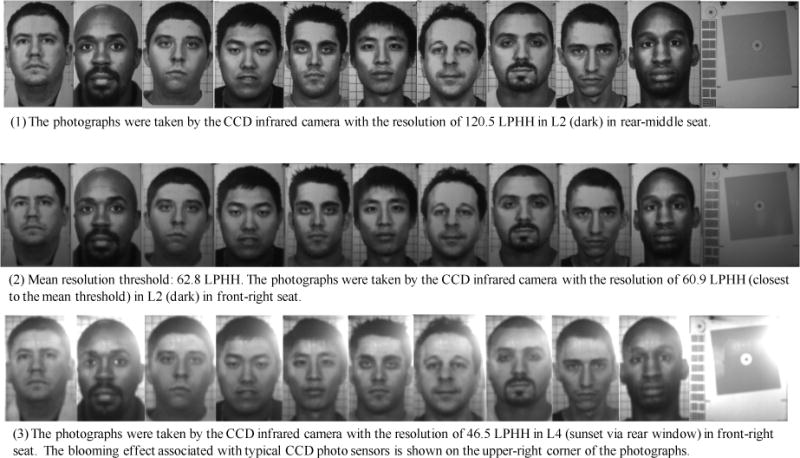
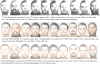
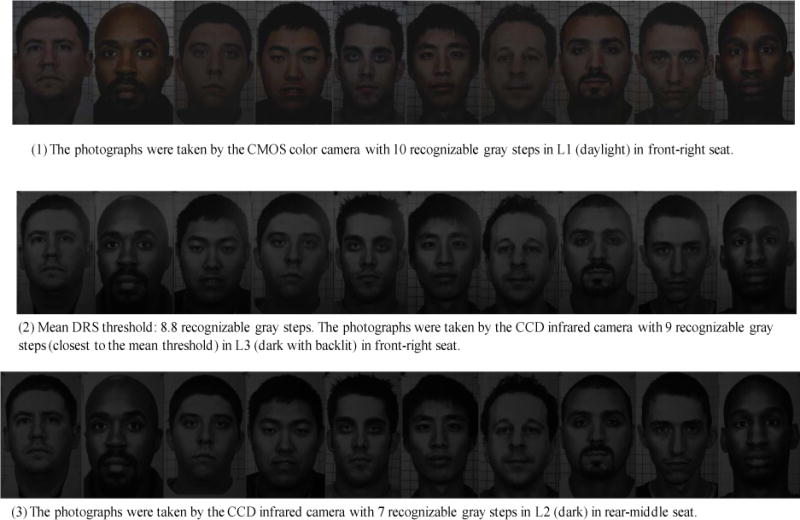
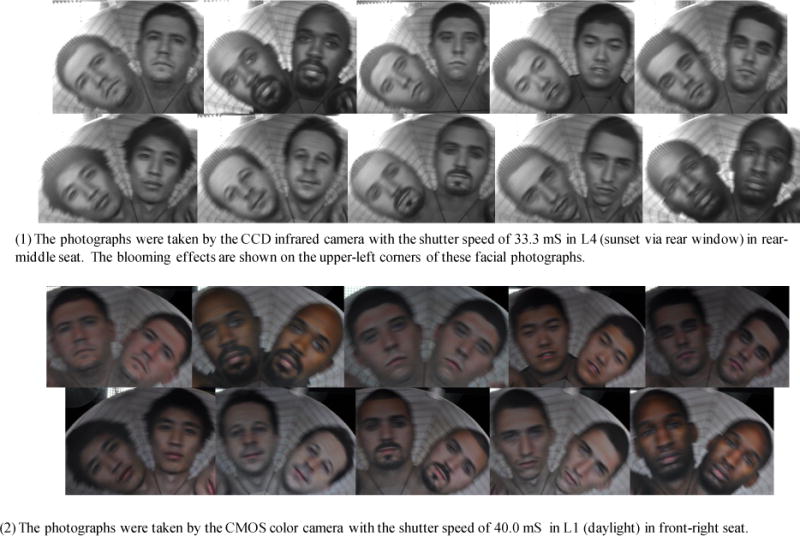
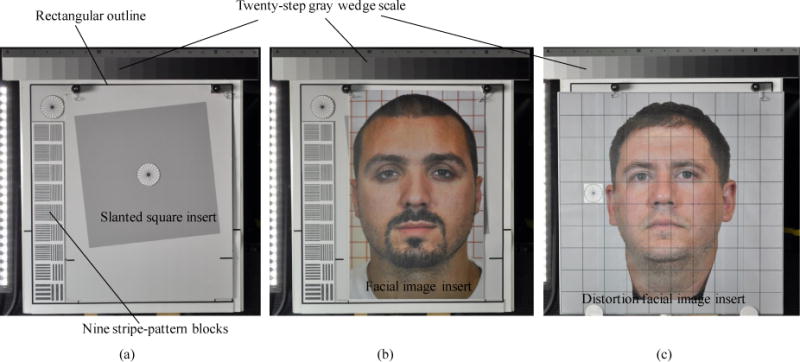
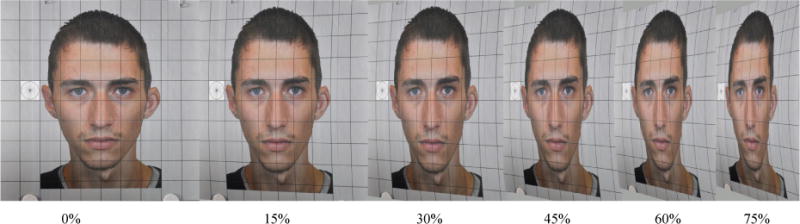
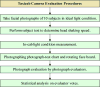
Minimum technical requirements and a standard test protocol for taxicab-security cameras for effective taxicab-facial identification were determined. The study took more than 10,000 photographs of human-face charts in a simulated-taxicab with various photographic resolutions, dynamic ranges, lens-distortions, and motion-blurs in various light and cab-seat conditions. Thirteen volunteer photograph-evaluators evaluated these face photographs and voted for the minimum technical requirements for taxicab-security cameras.
Results
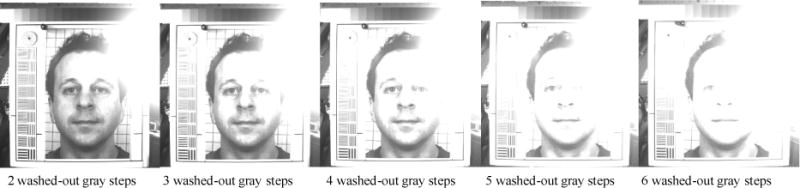
Five worst-case scenario photographic image quality thresholds were suggested: the resolution of XGA-format, highlight-dynamic-range of 1 EV, twilight-dynamic-range of 3.3 EV, lens-distortion of 30%, and shutter-speed of 1/30 second.
Practical Applications
These minimum requirements will help taxicab regulators and fleets to identify effective taxicab-security cameras, and help taxicab-security camera manufacturers to improve the camera facial identification capability.
-
Subjects:
-
Source:J Transp Technol. 4(3):216-255.
-
Pubmed ID:26823992
-
Pubmed Central ID:PMC4727178
-
Document Type:
-
Funding:
-
Volume:4
-
Issue:3
-
Collection(s):
-
Main Document Checksum:urn:sha256:6553fe85bf0fd2afd58e4aa75889aa635eb1e3d0171acb66e960a63e85b37106
-
Download URL:
-
File Type:
 [PDF
- 3.63 MB
]
[PDF
- 3.63 MB
]
Supporting Files


 Was this page helpful?
 Found an issue?
















CDC STACKS serves as an archival repository of CDC-published products including
scientific findings,
journal articles, guidelines, recommendations, or other public health information authored or
co-authored by CDC or funded partners.
As a repository, CDC STACKS retains documents in their original published format to ensure public access to scientific information.
As a repository, CDC STACKS retains documents in their original published format to ensure public access to scientific information.
You May Also Like
COLLECTION
CDC Public Access