


Next-Generation Sequencing Reveals Frequent Opportunities for Exposure to Hepatitis C Virus in Ghana
Supporting Files
Public Domain

-
Dec 18 2015
-
File Language:
English
Details
-
Alternative Title:PLoS One
-
Personal Author:Forbi, Joseph C. ; Layden, Jennifer E. ; Phillips, Richard O. ; Mora, Nallely ; Xia, Guo-liang ; Campo, David S. ; Purdy, Michael A. ; Dimitrova, Zoya E. ; Owusu, Dorcas O. ; Punkova, Lili T. ; Skums, Pavel ; Owusu-Ofori, Shirley ; Sarfo, Fred Stephen ; Vaughan, Gilberto ; Roh, Hajung ; Opare-Sem, Ohene K. ; Cooper, Richard S. ; Khudyakov, Yury E.
-
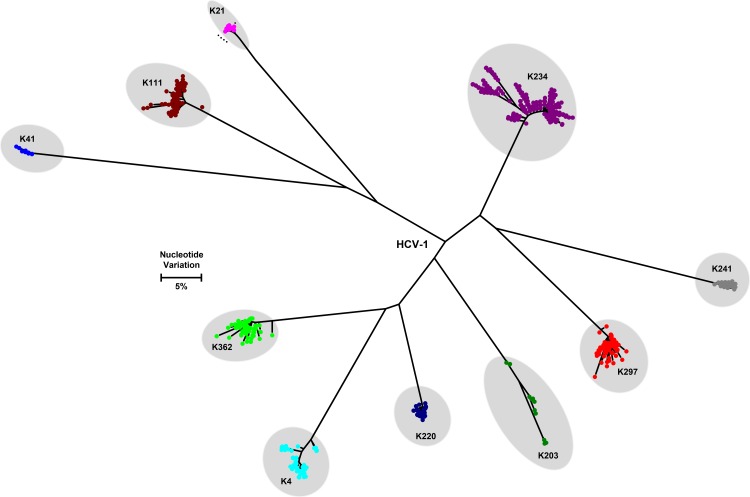
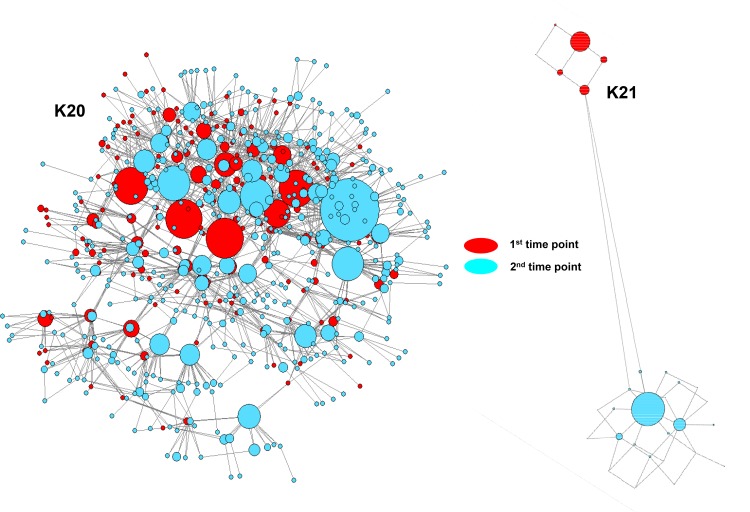
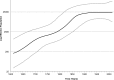
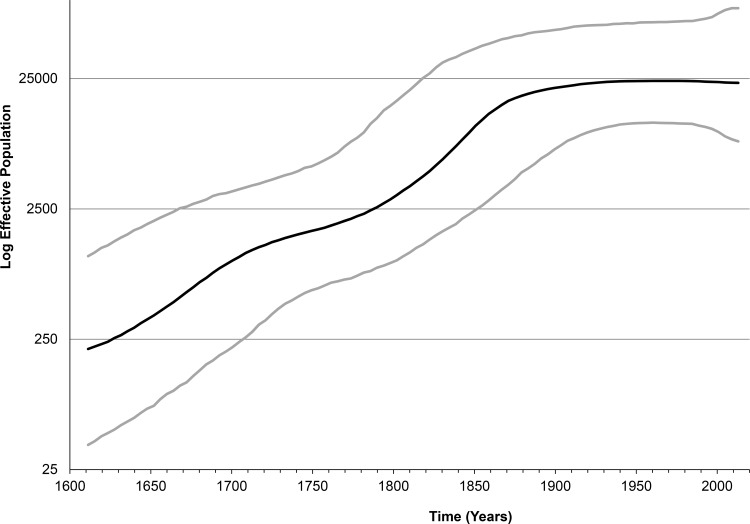
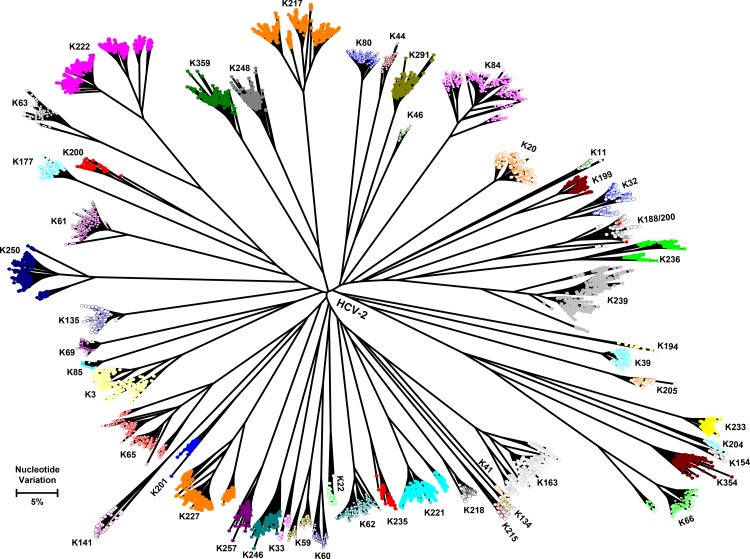
Description:Globally, hepatitis C Virus (HCV) infection is responsible for a large proportion of persons with liver disease, including cancer. The infection is highly prevalent in sub-Saharan Africa. West Africa was identified as a geographic origin of two HCV genotypes. However, little is known about the genetic composition of HCV populations in many countries of the region. Using conventional and next-generation sequencing (NGS), we identified and genetically characterized 65 HCV strains circulating among HCV-positive blood donors in Kumasi, Ghana. Phylogenetic analysis using consensus sequences derived from 3 genomic regions of the HCV genome, 5'-untranslated region, hypervariable region 1 (HVR1) and NS5B gene, consistently classified the HCV variants (n = 65) into genotypes 1 (HCV-1, 15%) and genotype 2 (HCV-2, 85%). The Ghanaian and West African HCV-2 NS5B sequences were found completely intermixed in the phylogenetic tree, indicating a substantial genetic heterogeneity of HCV-2 in Ghana. Analysis of HVR1 sequences from intra-host HCV variants obtained by NGS showed that three donors were infected with >1 HCV strain, including infections with 2 genotypes. Two other donors share an HCV strain, indicating HCV transmission between them. The HCV-2 strain sampled from one donor was replaced with another HCV-2 strain after only 2 months of observation, indicating rapid strain switching. Bayesian analysis estimated that the HCV-2 strains in Ghana were expanding since the 16th century. The blood donors in Kumasi, Ghana, are infected with a very heterogeneous HCV population of HCV-1 and HCV-2, with HCV-2 being prevalent. The detection of three cases of co- or super-infections and transmission linkage between 2 cases suggests frequent opportunities for HCV exposure among the blood donors and is consistent with the reported high HCV prevalence. The conditions for effective HCV-2 transmission existed for ~ 3-4 centuries, indicating a long epidemic history of HCV-2 in Ghana.
-
Subjects:
-
Source:PLoS One. 10(12).
-
Pubmed ID:26683463
-
Pubmed Central ID:PMC4684299
-
Document Type:
-
Place as Subject:
-
Volume:10
-
Issue:12
-
Collection(s):
-
Main Document Checksum:urn:sha256:b4a28e62edf9c277c19122cacf7f57604df50737e82e9bc1c7a2ea0aff87bd05
-
Download URL:
-
File Type:
 [PDF
- 2.88 MB
]
[PDF
- 2.88 MB
]
Supporting Files


File Language:
English
ON THIS PAGE




CDC STACKS serves as an archival repository of CDC-published products including
scientific findings,
journal articles, guidelines, recommendations, or other public health information authored or
co-authored by CDC or funded partners.
As a repository, CDC STACKS retains documents in their original published format to ensure public access to scientific information.
As a repository, CDC STACKS retains documents in their original published format to ensure public access to scientific information.
You May Also Like
COLLECTION
CDC Public Access