


ANTIVIBRATION GLOVES: EFFECTS ON VASCULAR AND SENSORINEURAL FUNCTION, AN ANIMAL MODEL
Supporting Files

-
2015
-
Details
-
Alternative Title:J Toxicol Environ Health A
-
Personal Author:Krajnak, K. ; Waugh, S. ; Johnson, C. ; Miller, R. G. ; Welcome, D. ; Xu, X. ; Warren, C. ; Sarkisian, S. ; Andrew, M. ; Dong, R. G.
-
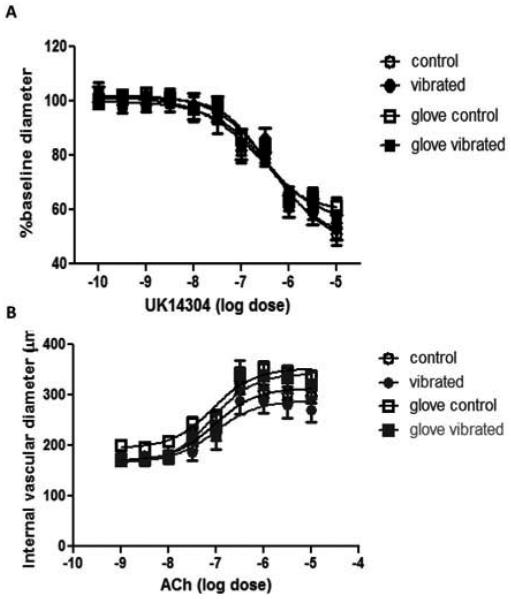
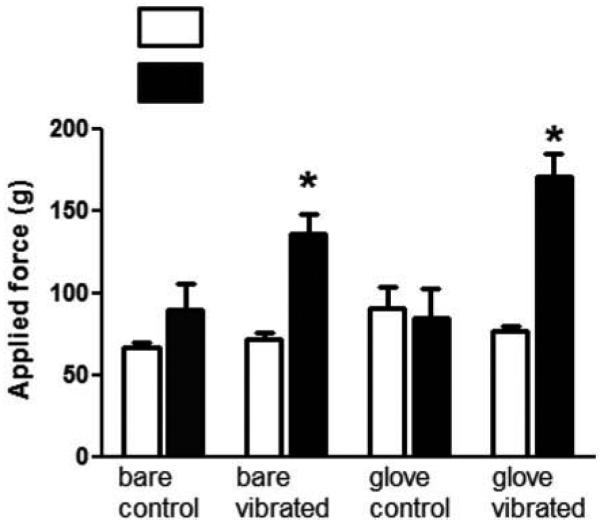
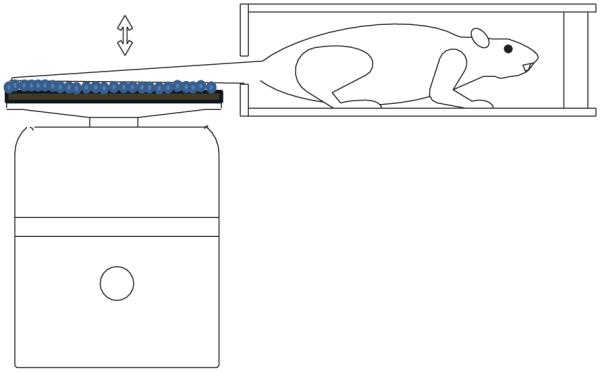
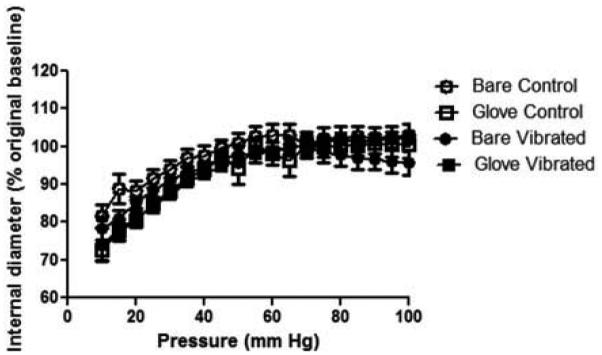
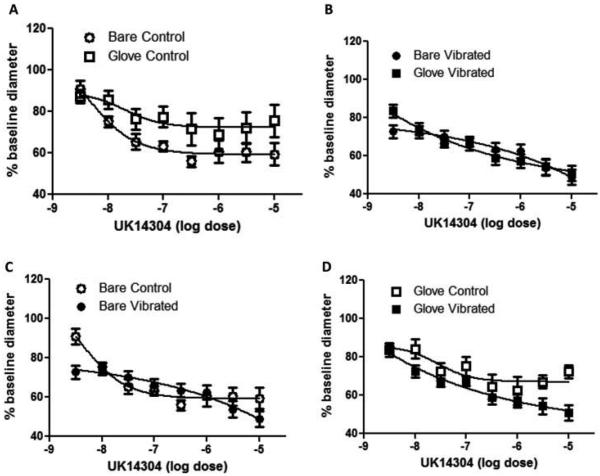
Description:Anti-vibration gloves have been used to block the transmission of vibration from powered hand tools to the user, and to protect users from the negative health consequences associated with exposure to vibration. However, there are conflicting reports as to the efficacy of gloves in protecting workers. The goal of this study was to use a characterized animal model of vibration-induced peripheral vascular and nerve injury to determine whether antivibration materials reduced or inhibited the effects of vibration on these physiological symptoms. Rats were exposed to 4 h of tail vibration at 125 Hz with an acceleration 49 m/s(2). The platform was either bare or covered with antivibrating glove material. Rats were tested for tactile sensitivity to applied pressure before and after vibration exposure. One day following the exposure, ventral tail arteries were assessed for sensitivity to vasodilating and vasoconstricting factors and nerves were examined histologically for early indicators of edema and inflammation. Ventral tail artery responses to an α2C-adrenoreceptor agonist were enhanced in arteries from vibration-exposed rats compared to controls, regardless of whether antivibration materials were used or not. Rats exposed to vibration were also less sensitive to pressure after exposure. These findings are consistent with experimental findings in humans suggesting that antivibration gloves may not provide protection against the adverse health consequences of vibration exposure in all conditions. Additional studies need to be done examining newer antivibration materials.
-
Subjects:
-
Source:J Toxicol Environ Health A. 78(9):571-582.
-
Pubmed ID:25965192
-
Pubmed Central ID:PMC4700820
-
Document Type:
-
Funding:
-
Volume:78
-
Issue:9
-
Collection(s):
-
Main Document Checksum:urn:sha256:38b1ab72066a93f3b28f519322b627c9f4fc9fdff7dff6c821a76544e8351ab7
-
Download URL:
-
File Type:
 [PDF
- 843.74 KB
]
[PDF
- 843.74 KB
]
Supporting Files


ON THIS PAGE







CDC STACKS serves as an archival repository of CDC-published products including
scientific findings,
journal articles, guidelines, recommendations, or other public health information authored or
co-authored by CDC or funded partners.
As a repository, CDC STACKS retains documents in their original published format to ensure public access to scientific information.
As a repository, CDC STACKS retains documents in their original published format to ensure public access to scientific information.
You May Also Like
COLLECTION
CDC Public Access