



Force-induced tissue compression alters circulating hormone levels and biomarkers of peripheral vascular and sensorineural dysfunction in an animal model of hand-arm vibration syndrome
Supporting Files

-
3 04 2025 ; 3-04-
-
Available in CDC Stacks on 2025-03-04T00:00:00Z
File Language:
English
Details
-
Alternative Title:J Toxicol Environ Health A
-
Personal Author:
-
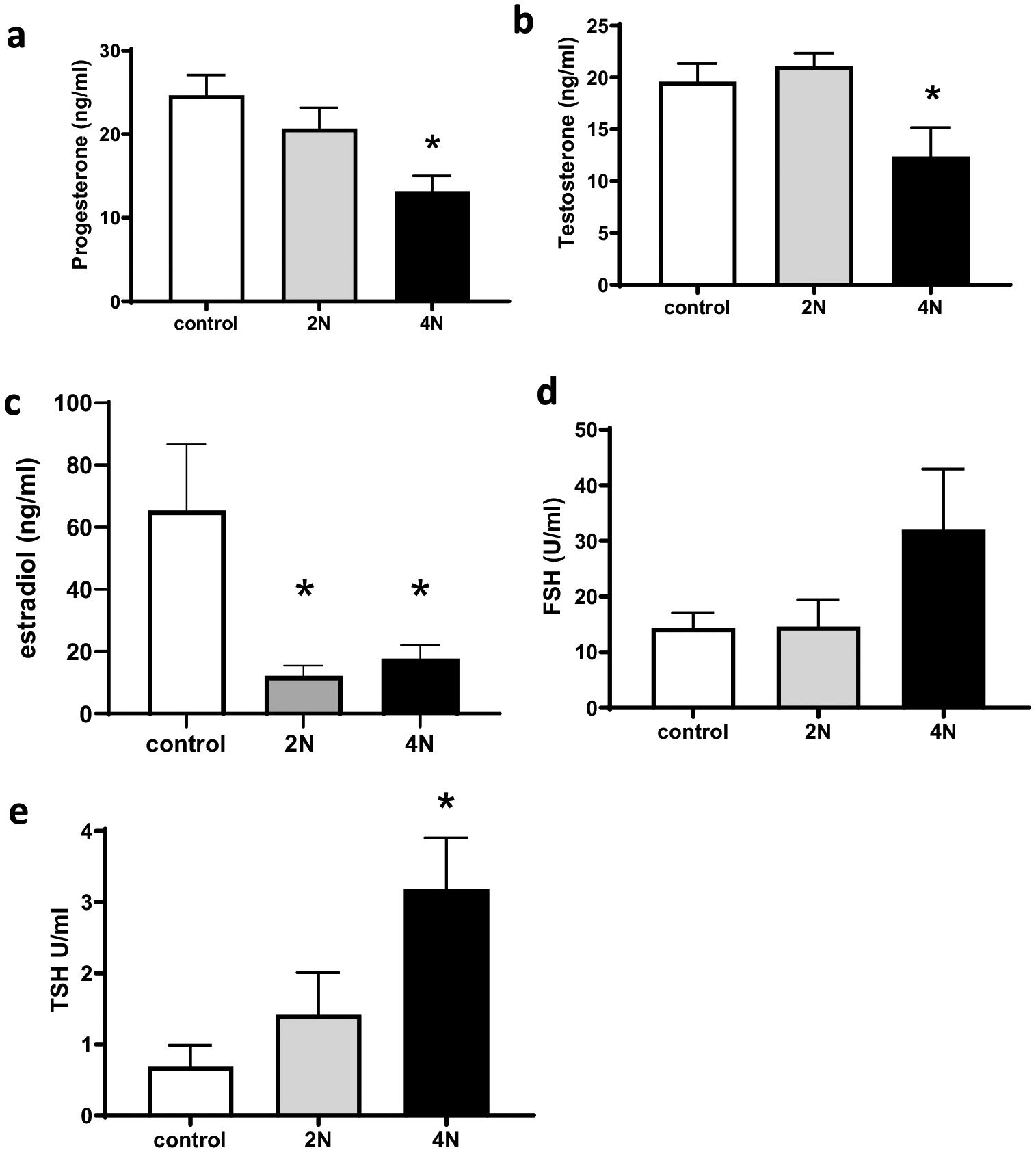
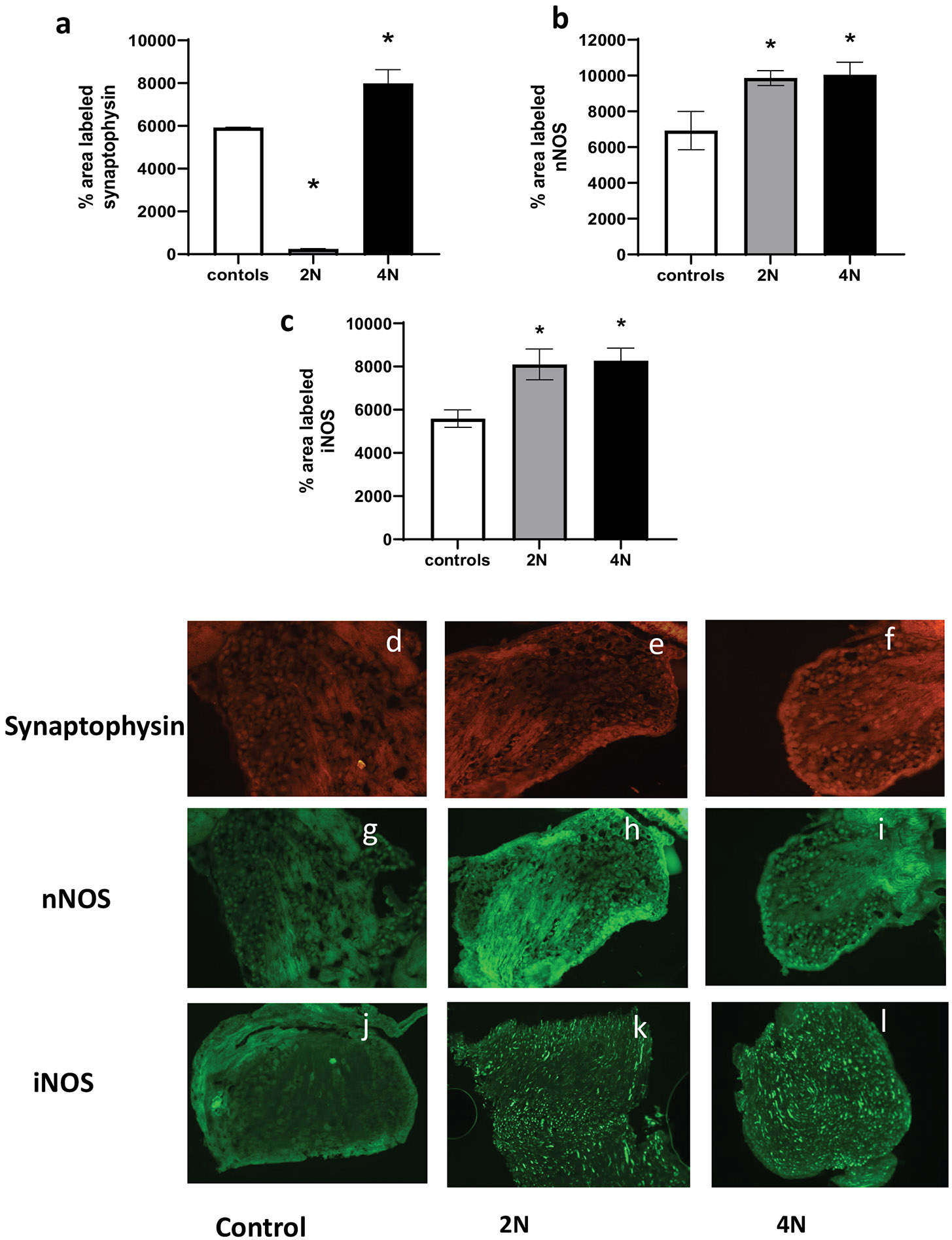
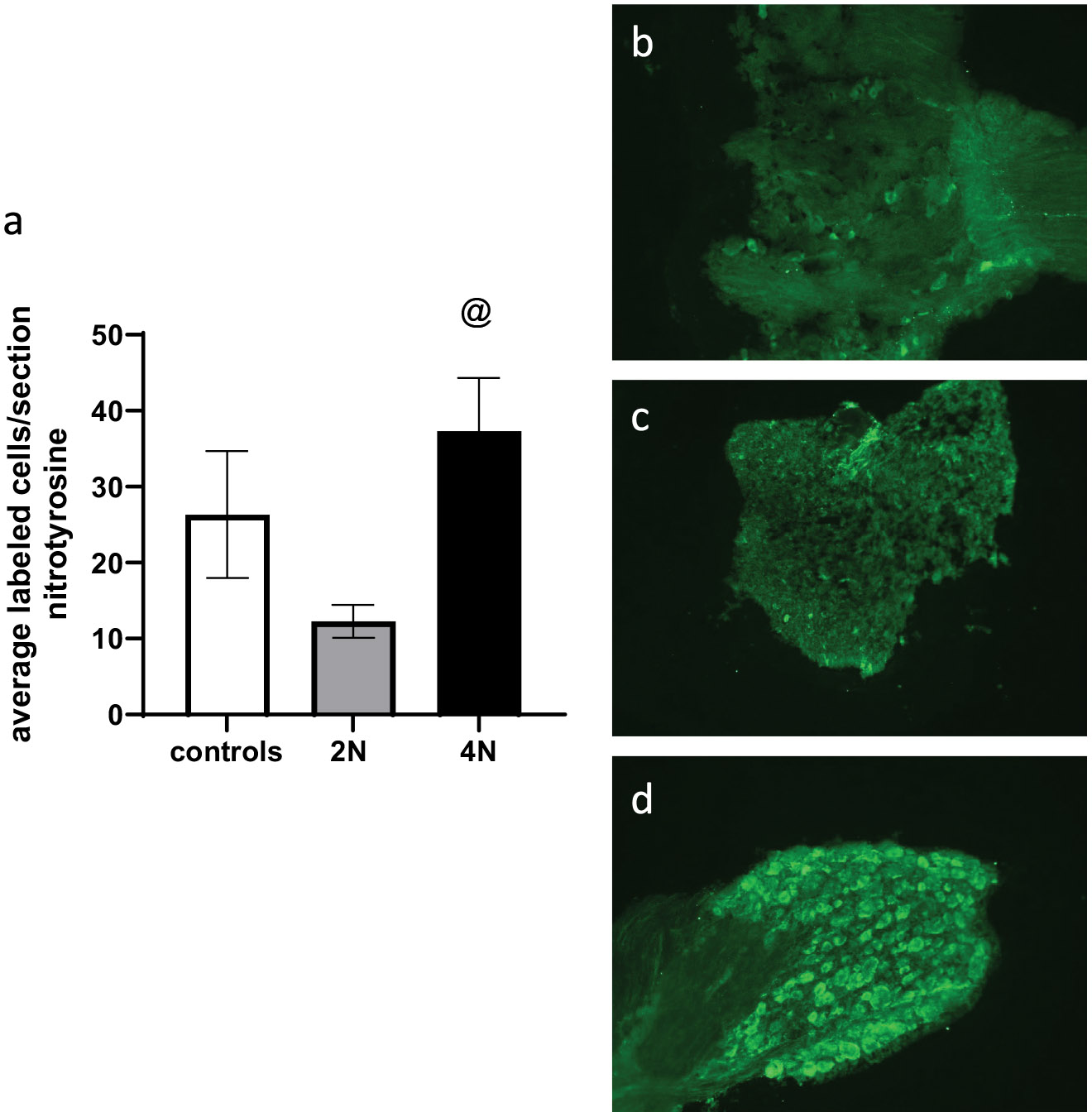
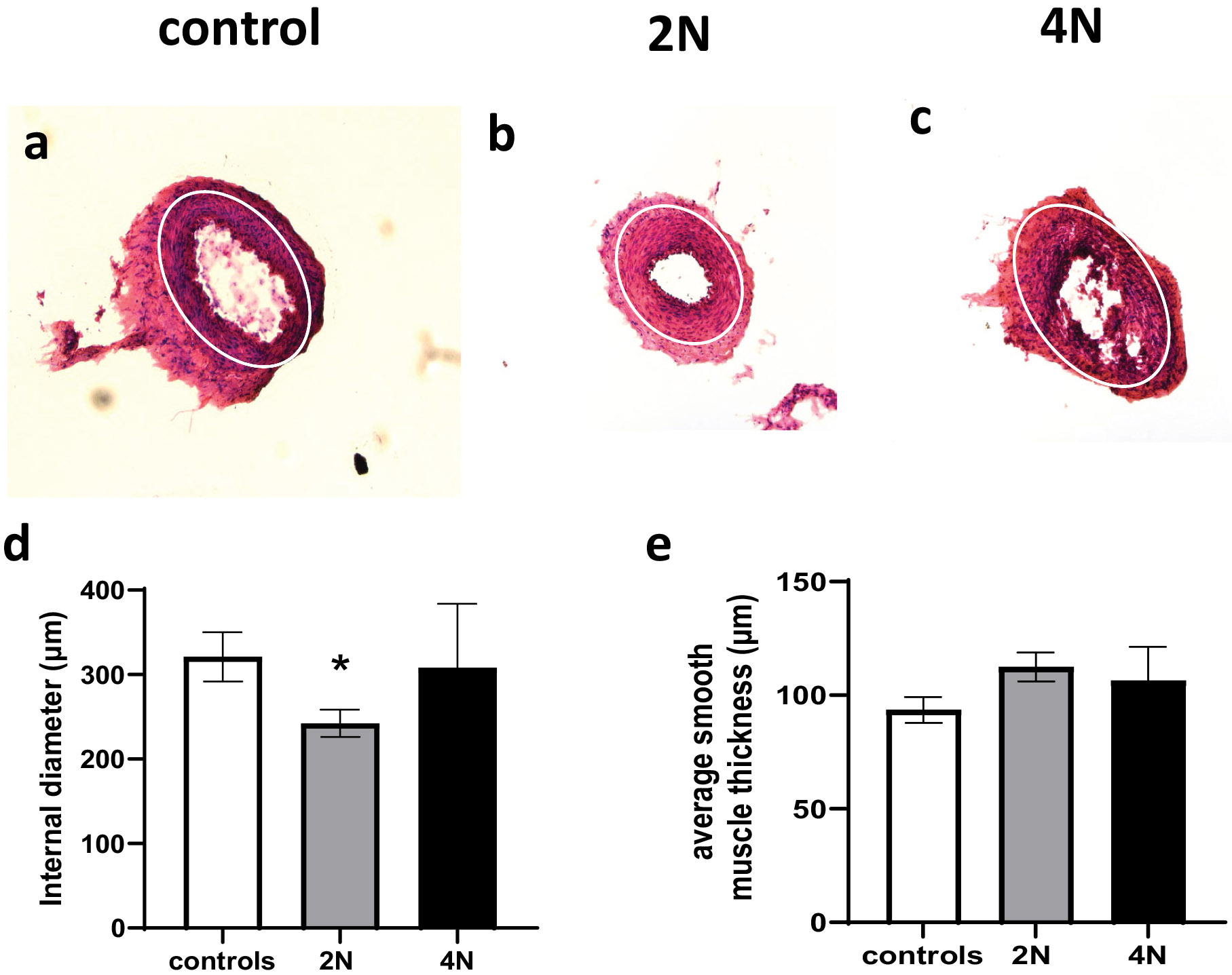
Description:Workers regularly using vibrating hand tools may develop a disorder referred to as hand-arm vibration syndrome (HAVS). HAVS is characterized by cold-induced vasospasms in the hands and fingers that result in blanching of the skin, loss of sensory function, pain, and reductions in manual dexterity. Exposure to vibration induces some of these symptoms. However, the soft tissues of the hands and fingers of workers are compressed as a result of the force generated when a worker grips a tool. The compression of these soft tissues might also contribute to the development of HAVS. The goal of this study was to use an established rat tail model to determine the mechanisms by which compression of the tail tissues affects (1) the ventral tail artery (VTA) and ventral tail nerves (VTN), (2) nerves and sensory receptors in the skin, (3) dorsal root ganglia (DRG), and (4) spinal cord. Tissue compression resulted in the following changes (1) circulating pituitary and steroid hormone concentrations, (2) expression of factors that modulate vascular function in the skin and tail artery, and (3) factors associated with nerve damage, DRG, and spinal cord. Some of these observed effects differed from those previously noted with vibration exposure. Based upon these findings, the effects of applied force and vibration are different. Studies examining the combination of these factors might provide data that may potentially be used to improve risk assessment and support revision of standards.
-
Subjects:
-
Keywords:
-
Source:J Toxicol Environ Health A. 88(5):175-195
-
Pubmed ID:39565925
-
Pubmed Central ID:PMC11696796
-
Document Type:
-
Funding:
-
Volume:88
-
Issue:5
-
Download URL:
-
File Type:
 [PDF - 1.19 MB]
 -
Collection(s):
-
Main Document Checksum:urn:sha-512:0d0661f6068dd2422de5b49980a89bd57c9efbd50d330eb16227d3be8065af8856f1a855b7179854ede6761d1a87127b98a2bcfdbfed9fb8f89a095db2123c93
Supporting Files


File Language:
English
 Was this page helpful?
 Found an issue?

CDC STACKS serves as an archival repository of CDC-published products including
scientific findings, journal articles, guidelines, recommendations, or other public health information authored or
co-authored by CDC or funded partners.
As a repository, CDC STACKS retains documents in their original published format to ensure public access to scientific information.
As a repository, CDC STACKS retains documents in their original published format to ensure public access to scientific information.
You May Also Like
COLLECTION
CDC Public Access