



Mechanisms of carbon nanotube-induced toxicity: Focus on oxidative stress
Supporting Files

-
Apr 06 2012
-
File Language:
English
Details
-
Alternative Title:Toxicol Appl Pharmacol
-
Personal Author:
-
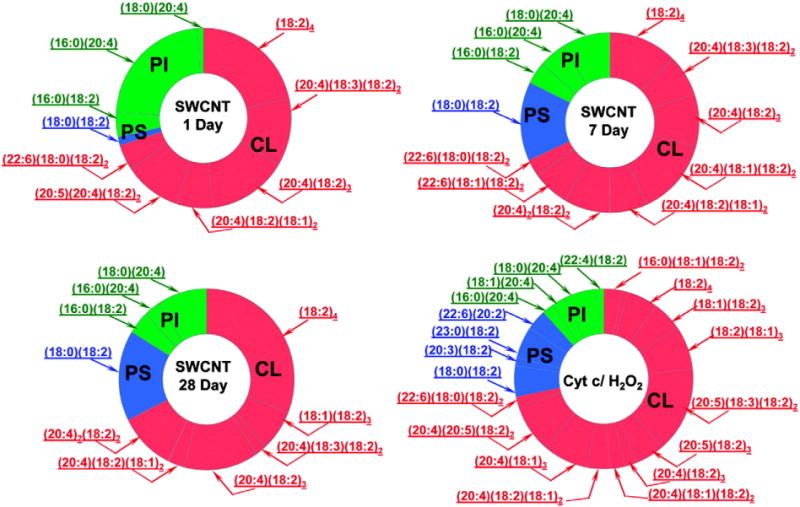
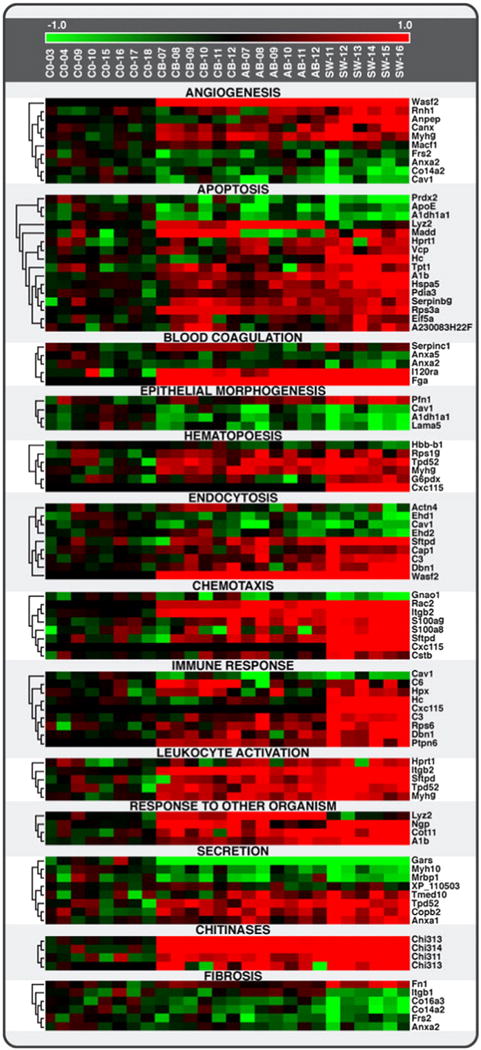
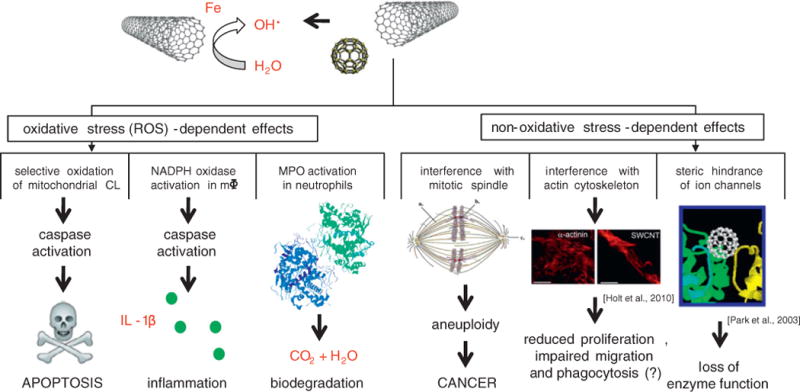
Description:Nanotechnologies are emerging as highly promising technologies in many sectors in the society. However, the increasing use of engineered nanomaterials also raises concerns about inadvertent exposure to these materials and the potential for adverse effects on human health and the environment. Despite several years of intensive investigations, a common paradigm for the understanding of nanoparticle-induced toxicity remains to be firmly established. Here, the so-called oxidative stress paradigm is scrutinized. Does oxidative stress represent a secondary event resulting inevitably from disruption of biochemical processes and the demise of the cell, or a specific, non-random event that plays a role in the induction of cellular damage e.g. apoptosis? The answer to this question will have important ramifications for the development of strategies for mitigation of adverse effects of nanoparticles. Recent examples of global lipidomics studies of nanoparticle-induced tissue damage are discussed along with proteomics and transcriptomics approaches to achieve a comprehensive understanding of the complex and interrelated molecular changes in cells and tissues exposed to nanoparticles. We also discuss instances of non-oxidative stress-mediated cellular damage resulting from direct physical interference of nanomaterials with cellular structures.
-
Subjects:
-
Source:Toxicol Appl Pharmacol. 261(2):121-133.
-
Pubmed ID:22513272
-
Pubmed Central ID:PMC4686133
-
Document Type:
-
Funding:
-
Volume:261
-
Issue:2
-
Collection(s):
-
Main Document Checksum:urn:sha256:bc06c70b74f0008514c68bfdeb0f848d7aa37ee1efecd8555c8d6701a646aceb
-
Download URL:
-
File Type:
 [PDF
- 720.63 KB
]
[PDF
- 720.63 KB
]
Supporting Files


File Language:
English
 Was this page helpful?
 Found an issue?


CDC STACKS serves as an archival repository of CDC-published products including
scientific findings,
journal articles, guidelines, recommendations, or other public health information authored or
co-authored by CDC or funded partners.
As a repository, CDC STACKS retains documents in their original published format to ensure public access to scientific information.
As a repository, CDC STACKS retains documents in their original published format to ensure public access to scientific information.
You May Also Like
COLLECTION
CDC Public Access