


Detecting the emergence of novel, zoonotic viruses pathogenic to humans
Supporting Files
Public Domain

-
2015
File Language:
English
Details
-
Alternative Title:Cell Mol Life Sci
-
Personal Author:
-
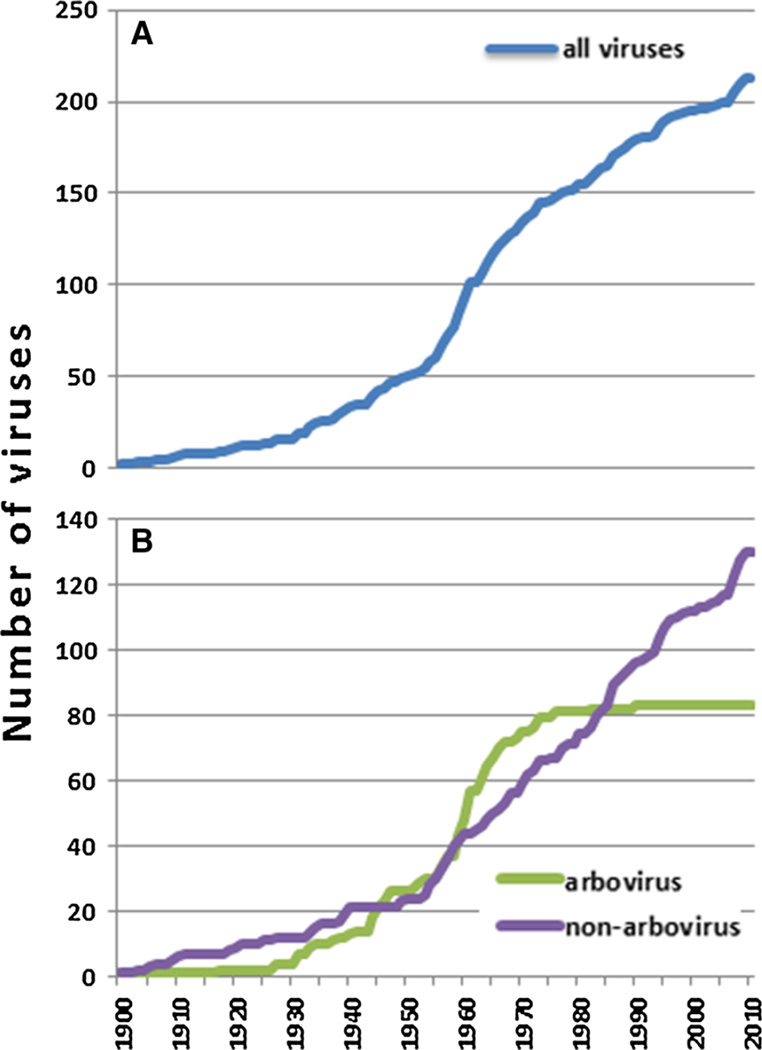
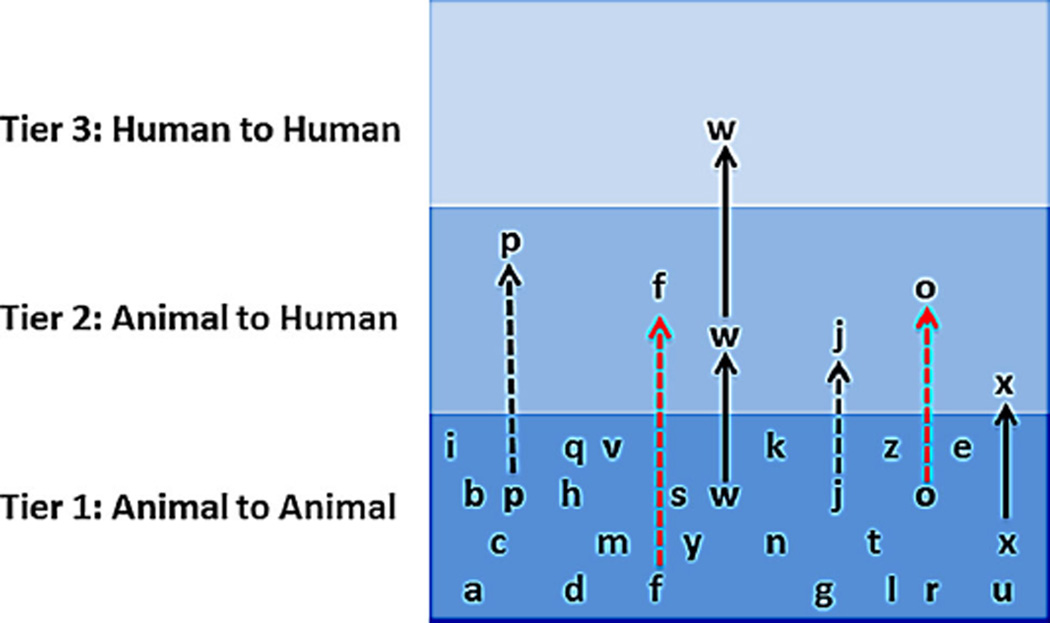
Description:RNA viruses, with their high potential for mutation and epidemic spread, are the most common class of pathogens found as new causes of human illness. Despite great advances made in diagnostic technology since the 1950s, the annual rate at which novel virulent viruses have been found has remained at 2-3. Most emerging viruses are zoonoses; they have jumped from mammal or bird hosts to humans. An analysis of virus discovery indicates that the small number of novel viruses discovered annually is an artifact of inadequate surveillance in tropical and subtropical countries, where even established endemic pathogens are often misdiagnosed. Many of the emerging viruses of the future are already infecting humans but remain to be uncovered by a strategy of disease surveillance in selected populations.
-
Subjects:
-
Source:Cell Mol Life Sci. 72(6):1115-1125
-
Document Type:
-
Volume:72
-
Issue:6
-
Collection(s):
-
Main Document Checksum:urn:sha-512:6af594c8c438d57cedd093370a88fda9b71abbe862849615bad33adca446ff0015d759de3d8e8061aab191842ee3fd5defe8aa929d3be53008e2b6e2e92f324c
-
Download URL:
-
File Type:
 [PDF
- 616.25 KB
]
[PDF
- 616.25 KB
]
Supporting Files


File Language:
English
ON THIS PAGE


CDC STACKS serves as an archival repository of CDC-published products including
scientific findings,
journal articles, guidelines, recommendations, or other public health information authored or
co-authored by CDC or funded partners.
As a repository, CDC STACKS retains documents in their original published format to ensure public access to scientific information.
As a repository, CDC STACKS retains documents in their original published format to ensure public access to scientific information.
You May Also Like
COLLECTION
CDC Public Access