


Investigation of terpinolene + ozone or terpinolene + nitrate radical reaction products using denuder/filter apparatus
Supporting Files

-
Dec 2013
Details
-
Alternative Title:Atmos Environ (1994)
-
Personal Author:
-
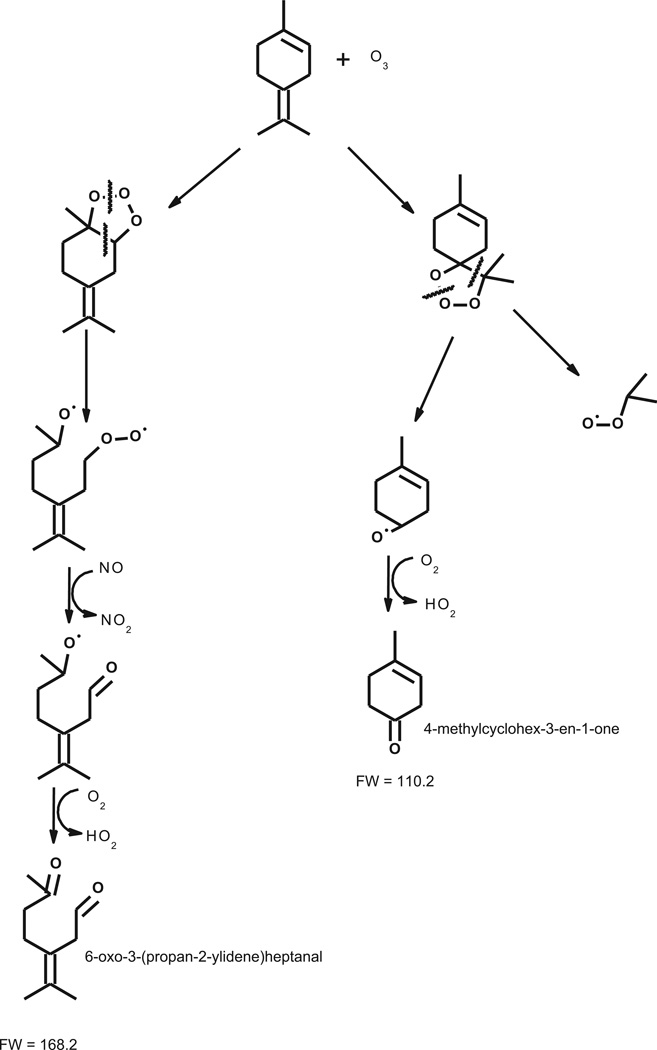
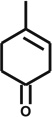
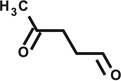
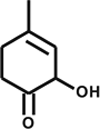
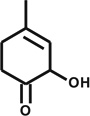
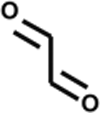
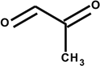
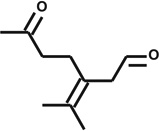
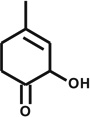
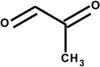
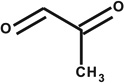
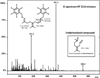
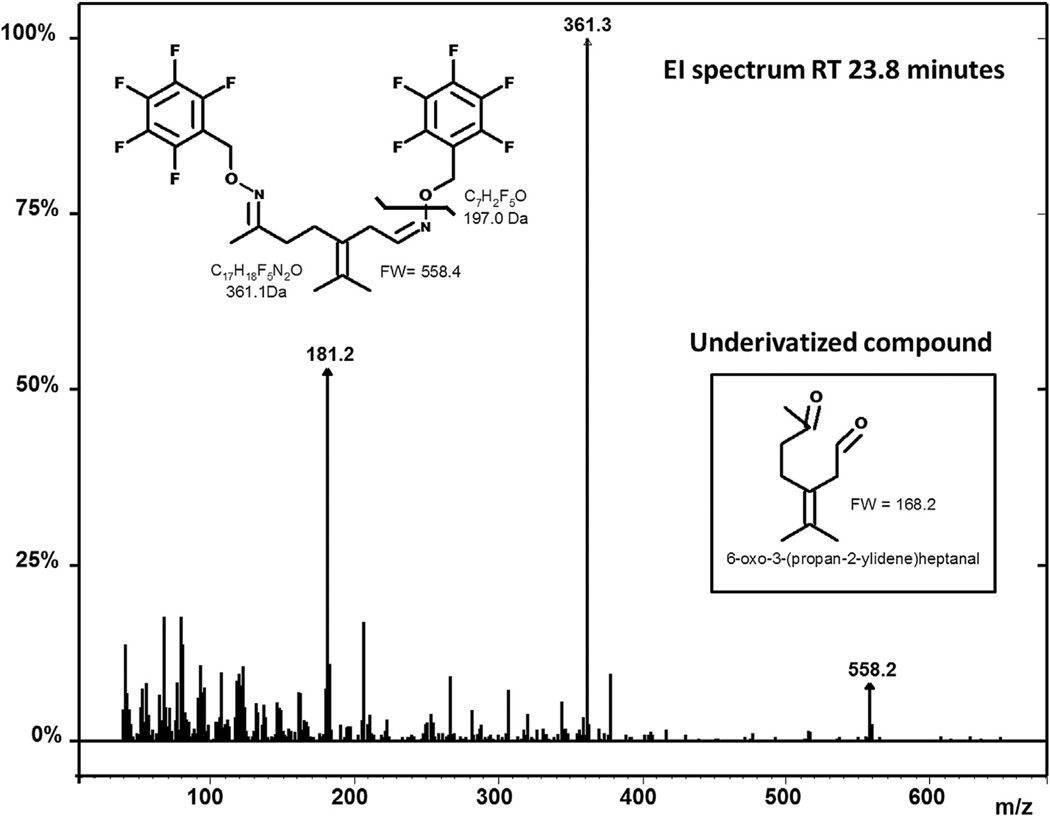
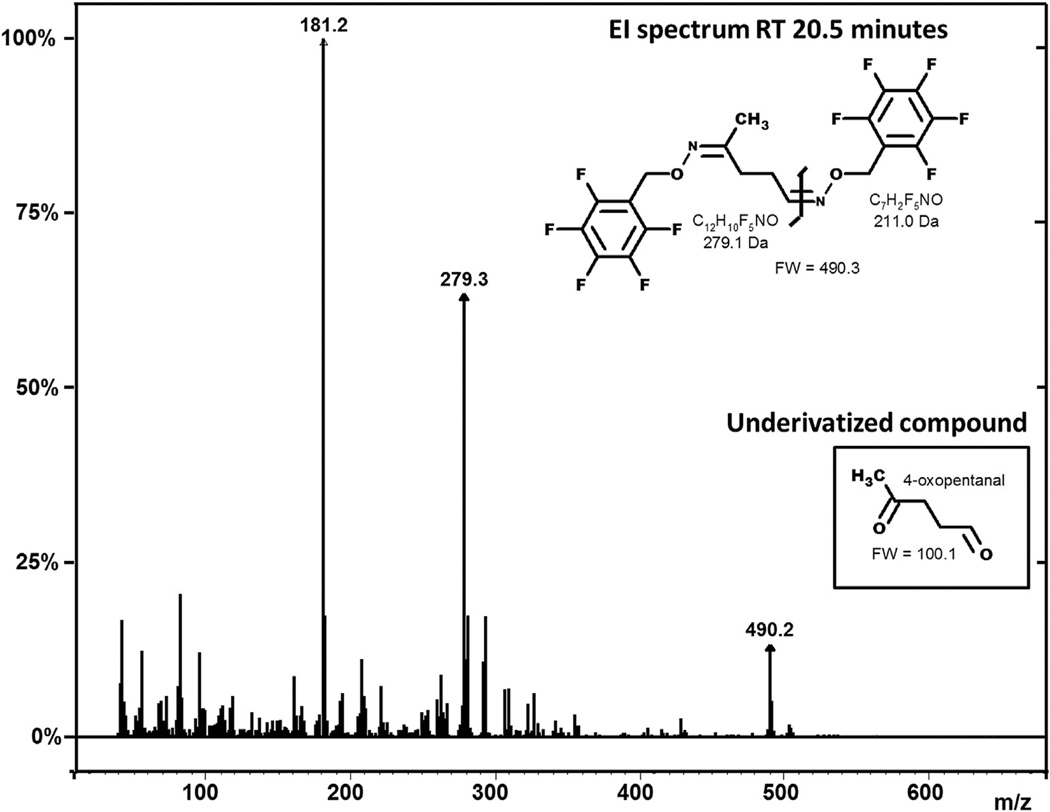
Description:Terpinolene's (1-methyl-4-(propan-2-ylidene)cyclohexene) reaction with ozone or the nitrate radical was investigated using a denuder/filter apparatus in order to characterize gas-phase and particulate reaction products. Identification of the reaction products (i.e., aldehydes, ketones, dicarbonyls and carboxylic acids) was made using two derivatization methods; O-(2,3,4,5,6-pentafluorobenzyl)hydroxylamine (PFBHA) to derivatize the carbonyl products or 3-Ethyl-1-[3-(dimethylamino)propyl]carbodiimide hydrochloride (EDC) and 2,2,2-trifluoroethylamine hydrochloride (TFEA) to derivatize the carboxylic acid products. Proposed carbonyl products for ozonolysis of terpinolene are: 4-methylcyclohex-3-en-1-one, 2-hydroxy-4-methylcyclohex-3-en-1-one, glyoxal, methyl glyoxal, 3-oxobutanal, and 6-oxo-3-(propan-2-ylidene)heptanal. Proposed carbonyl products for nitrate radical reaction of terpinolene are: 2-hydroxy-4-methylcyclohex-3-en-1-one, glyoxal, methyl glyoxal, and 4-oxopentanal. No carboxylic acid products were detected with either oxidizing reactant.
-
Subjects:
-
Source:Atmos Environ (1994). 80:524-532.
-
Pubmed ID:26527171
-
Pubmed Central ID:PMC4624623
-
Document Type:
-
Funding:
-
Volume:80
-
Collection(s):
-
Main Document Checksum:urn:sha256:7c03e7bdc3b51b47b5d85f8d61d3f001aa0a4697b73fe7551148aa769ffb6ef9
-
Download URL:
-
File Type:
 [PDF
- 1.77 MB
]
[PDF
- 1.77 MB
]
Supporting Files


ON THIS PAGE











CDC STACKS serves as an archival repository of CDC-published products including
scientific findings,
journal articles, guidelines, recommendations, or other public health information authored or
co-authored by CDC or funded partners.
As a repository, CDC STACKS retains documents in their original published format to ensure public access to scientific information.
As a repository, CDC STACKS retains documents in their original published format to ensure public access to scientific information.
You May Also Like
COLLECTION
CDC Public Access