


West Nile viral infection of equids
Supporting Files

-
11 29 2013
-
File Language:
English
Details
-
Alternative Title:Vet Microbiol
-
Personal Author:
-
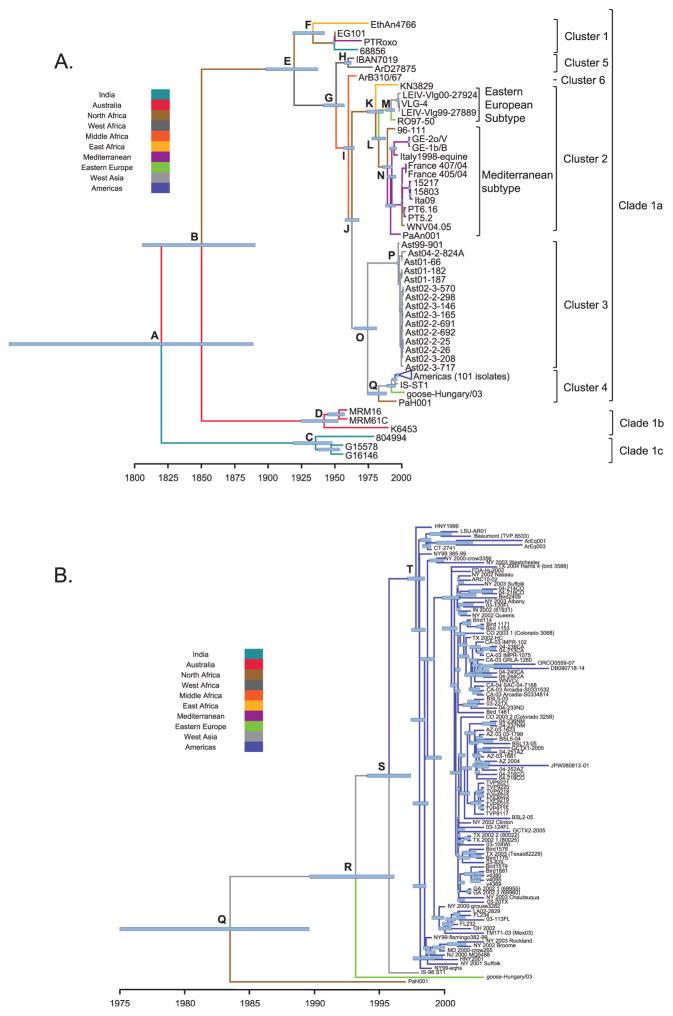
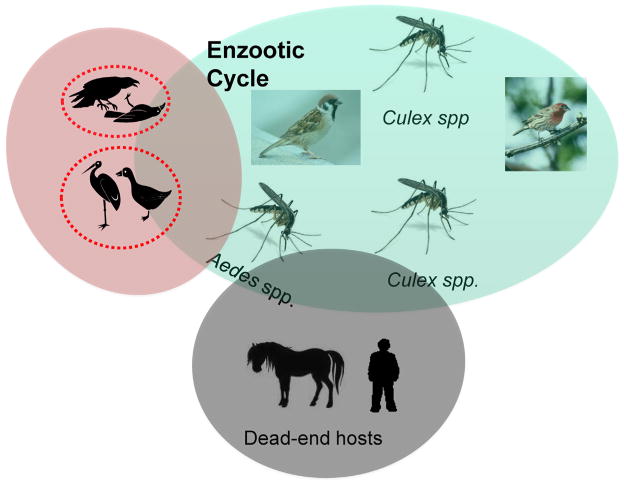
Description:West Nile virus (WNV) is a flavivirus transmitted between certain species of birds and mosquito vectors. Tangential infections of equids and subsequent equine epizootics have occurred historically. Although the attack rate has been estimated to be below 10%, mortality rates can approach 50% in horses that present clinical disease. Symptoms are most commonly presenting in the form of encephalitis with ataxia as well as limb weakness, recumbency and muscle fasciculation. The most effective strategy for prevention of equine disease is proper vaccination with one of the numerous commercially available vaccines available in North America or the European Union. Recently, WNV has been increasingly associated with equine epizootics resulting from novel non-lineage-1a viruses in expanding geographic areas. However, specific experimental data on the virulence of these novel virus strains is lacking and questions remain as to the etiology of the expanded epizootics: whether it be a function of inherent virulence or ecological and/or climactic factors that could precipitate the altered epidemiological patterns observed.
-
Subjects:
-
Source:Vet Microbiol. 167(0):168-180
-
Pubmed ID:24035480
-
Pubmed Central ID:PMC4581842
-
Document Type:
-
Funding:
-
Volume:167
-
Collection(s):
-
Main Document Checksum:urn:sha256:58c6e73ed40adcc326753b79e02d816794e18d6c163e053e97e576e32fb9e1a2
-
Download URL:
-
File Type:
 [PDF
- 1.06 MB
]
[PDF
- 1.06 MB
]
Supporting Files


File Language:
English
ON THIS PAGE









CDC STACKS serves as an archival repository of CDC-published products including
scientific findings,
journal articles, guidelines, recommendations, or other public health information authored or
co-authored by CDC or funded partners.
As a repository, CDC STACKS retains documents in their original published format to ensure public access to scientific information.
As a repository, CDC STACKS retains documents in their original published format to ensure public access to scientific information.
You May Also Like
COLLECTION
CDC Public Access