


Genotype Distribution and Molecular Epidemiology of Hepatitis C Virus in Hubei, Central China
Supporting Files
Public Domain

-
Sep 01 2015
-
Details
-
Alternative Title:PLoS One
-
Personal Author:Peng, Jing ; Lu, Yanjun ; Liu, Weiyong ; Zhu, Yaowu ; Yan, Xiaoling ; Xu, Jingxin ; Wang, Xiong ; Wang, Yue ; Liu, Wei ; Sun, Ziyong
-
Description:Background
Little is known about the molecular epidemiology of hepatitis C virus (HCV) infection in Central China.
Methodology/Principal Findings
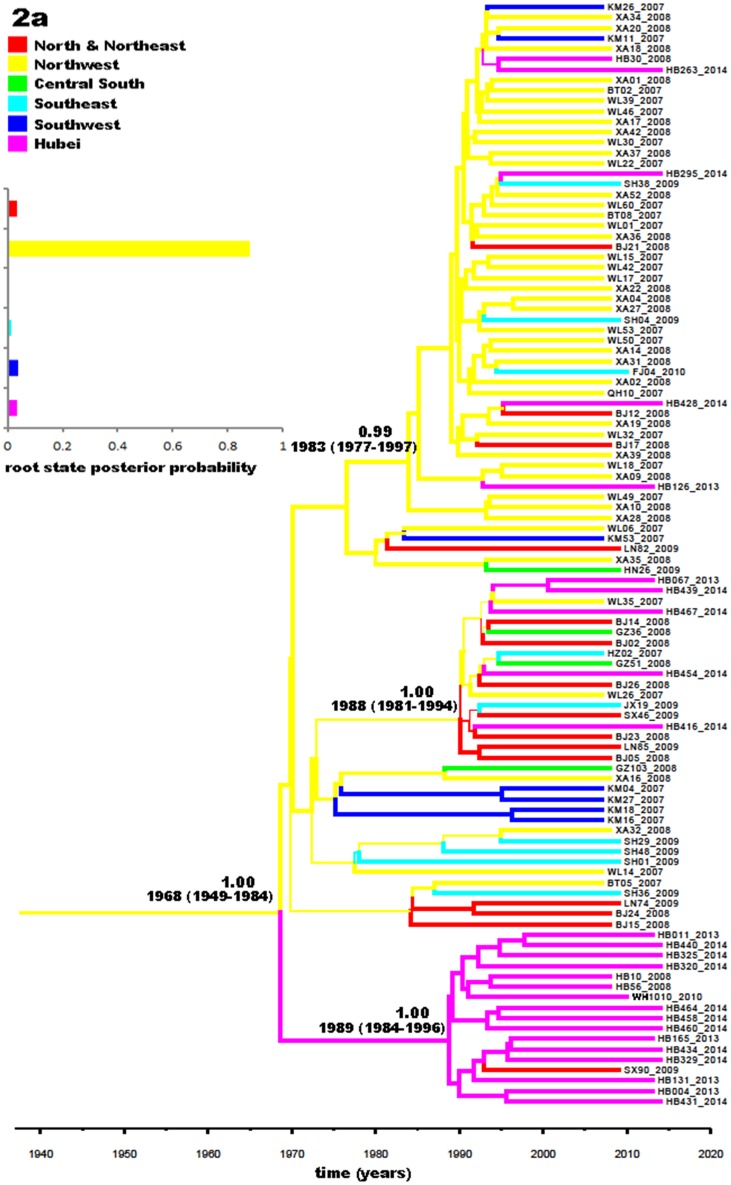
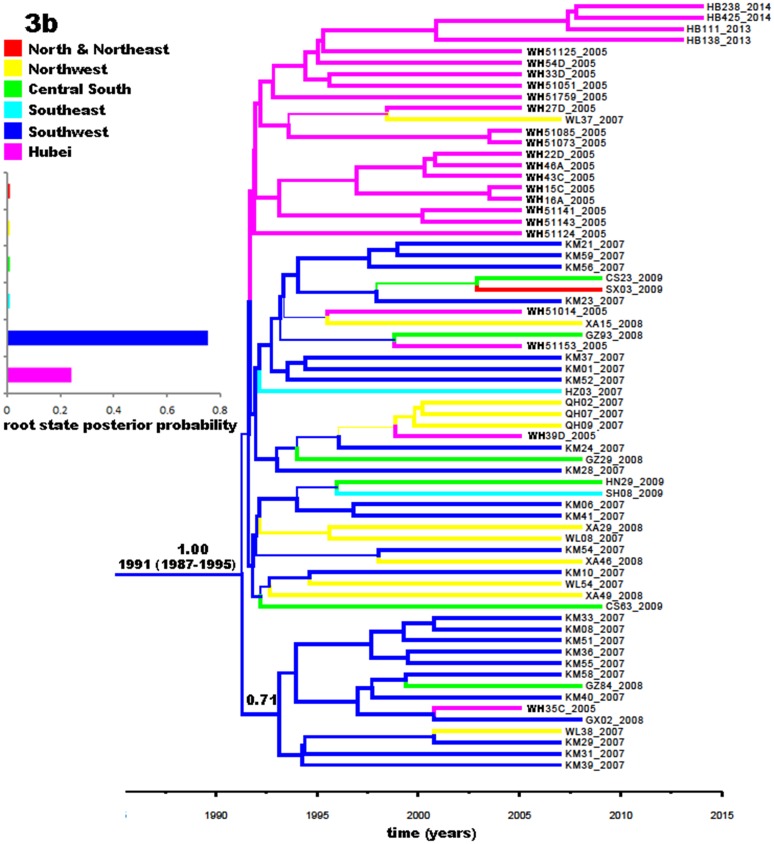
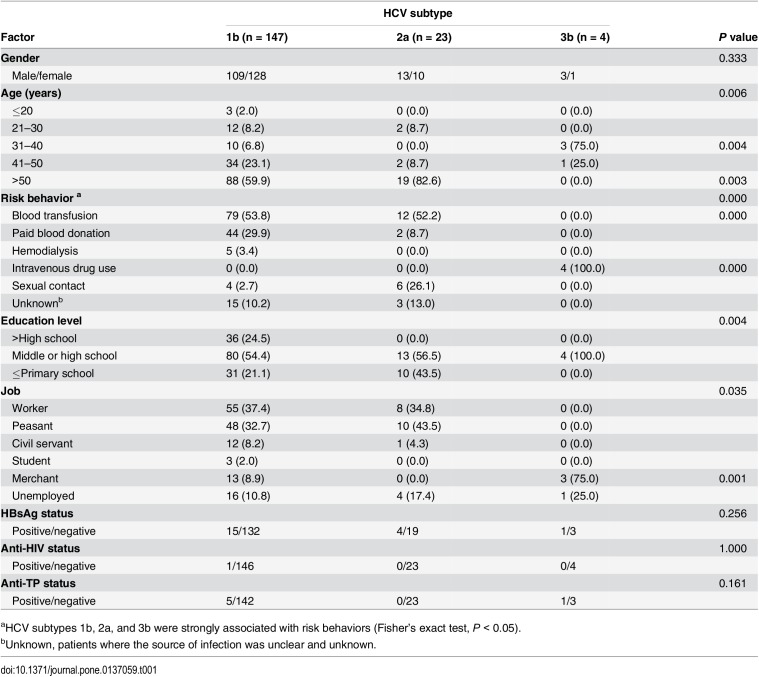
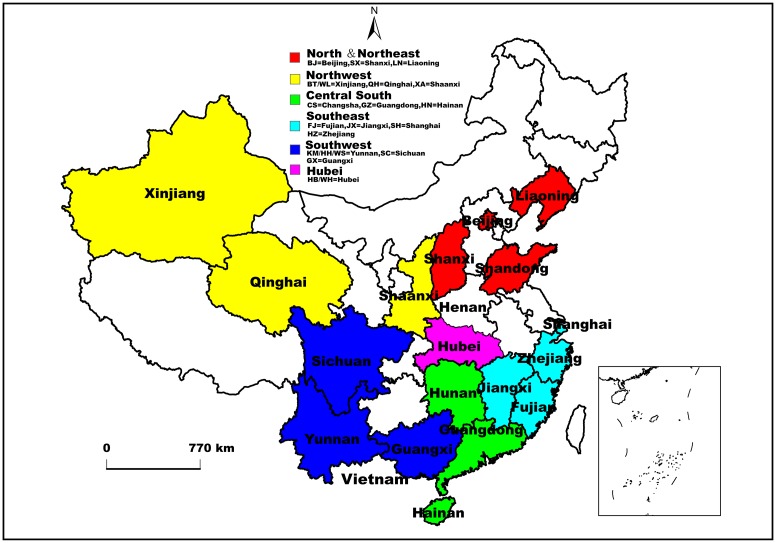
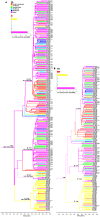
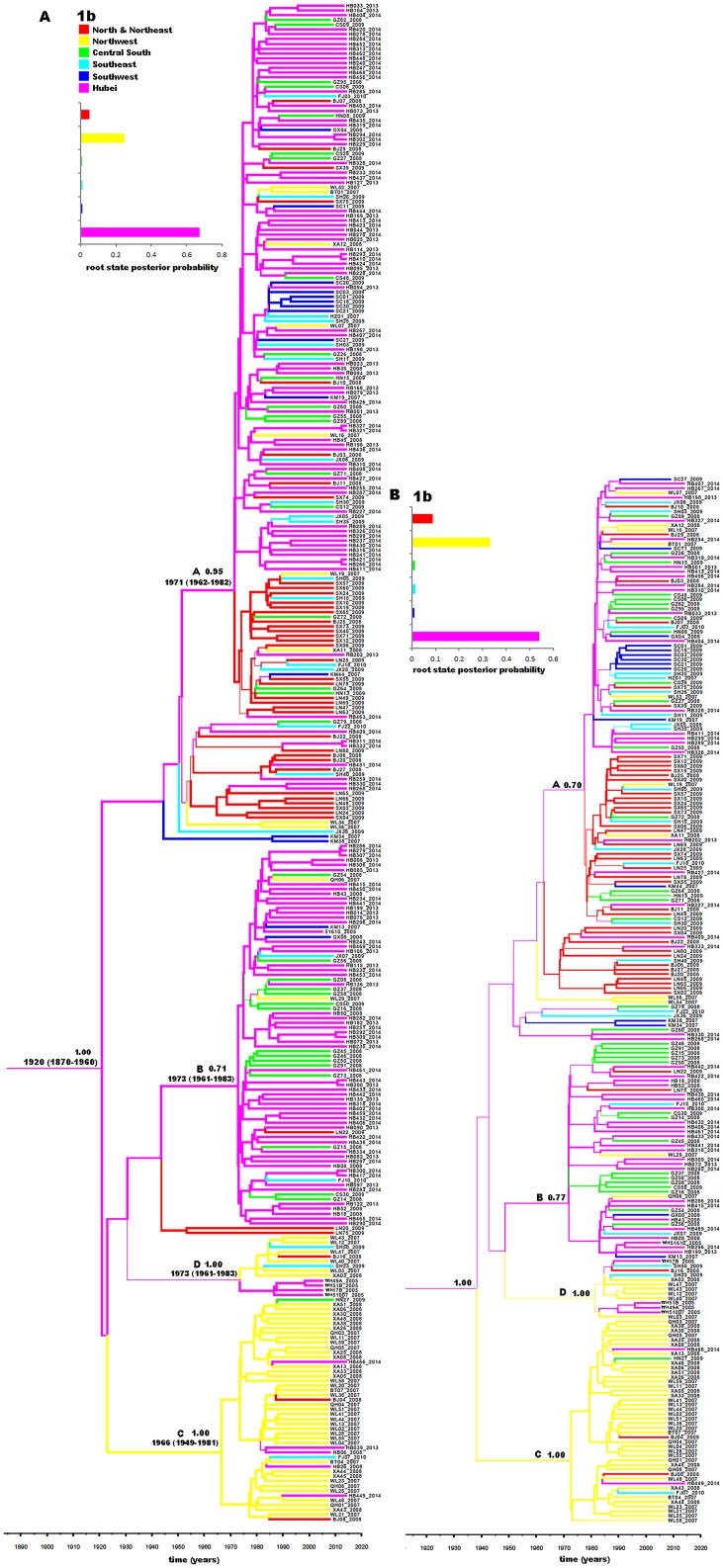
A total of 570 patients from Hubei Province in central China were enrolled. These patients were tested positive for HCV antibody prior to blood transfusion. Among them, 177 were characterized by partial NS5B and/or Core-E1 sequences and classified into five subtypes: 1b, 83.0% (147/177); 2a, 13.0% (23/177); 3b, 2.3% (4/177); 6a, 1.1% (2/177); 3a, 0.6% (1/177). Analysis of genotype-associated risk factors revealed that paid blood donation and transfusion before 1997 were strongly associated with subtypes 1b and 2a, while some subtype 2a cases were also found in individuals with high risk sexual behaviors; subtypes 3b, 6a, and 3a were detected only in intravenous drug users. Phylogeographic analyses based on the coalescent datasets demonstrated that 1b, 2a, 3b, and 6a were locally epidemic in Hubei Province. Among them, subtype 1b Hubei strains may have served as the origins of this subtype in China, and 2a and 3b Hubei strains may have descended from the northwest and southwest of China, respectively, while 6a Hubei strains may have been imported from the central south and southwest.
Conclusion/Significance
The results suggest that the migration patterns of HCV in Hubei are complex and variable among different subtypes. Implementation of mandatory HCV screening before donation has significantly decreased the incidence of transfusion-associated HCV infection since 1997. More attention should be paid to intravenous drug use and unsafe sexual contact, which may have become new risk factors for HCV infection in Hubei Province.
-
Subjects:
-
Source:PLoS One. 2015; 10(9).
-
Pubmed ID:26325070
-
Pubmed Central ID:PMC4556612
-
Document Type:
-
Volume:10
-
Issue:9
-
Collection(s):
-
Main Document Checksum:urn:sha256:af7c286c442f25e52117a7e43d4f416d90d5e30d7d358eb34e0d57e1daff4af4
-
Download URL:
-
File Type:
 [PDF
- 3.30 MB
]
[PDF
- 3.30 MB
]
Supporting Files


ON THIS PAGE





CDC STACKS serves as an archival repository of CDC-published products including
scientific findings,
journal articles, guidelines, recommendations, or other public health information authored or
co-authored by CDC or funded partners.
As a repository, CDC STACKS retains documents in their original published format to ensure public access to scientific information.
As a repository, CDC STACKS retains documents in their original published format to ensure public access to scientific information.
You May Also Like
COLLECTION
CDC Public Access