


Evaluation of Ricinine, a Ricin Biomarker, from a Non-Lethal Castor Bean Ingestion
Supporting Files

-
2012 Nov-Dec
-
File Language:
English
Details
-
Alternative Title:J Anal Toxicol
-
Personal Author:
-
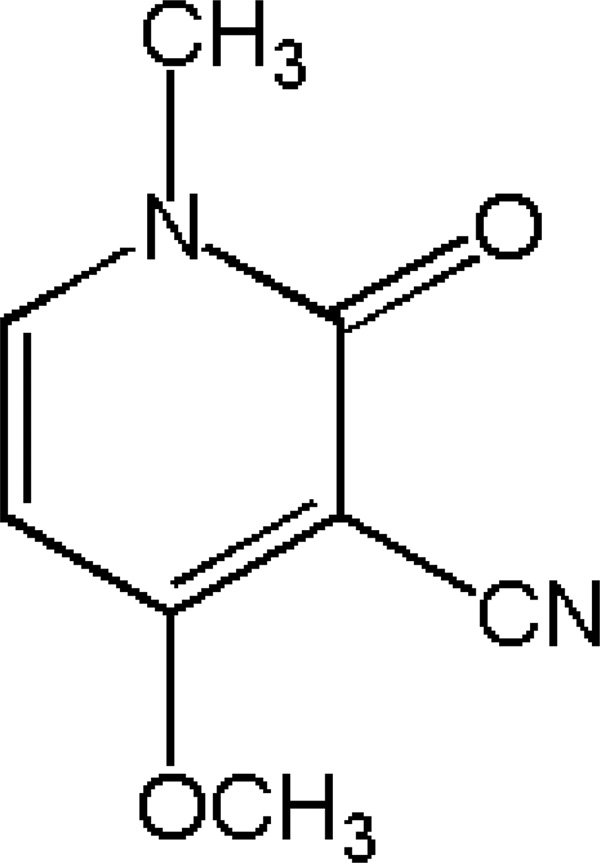
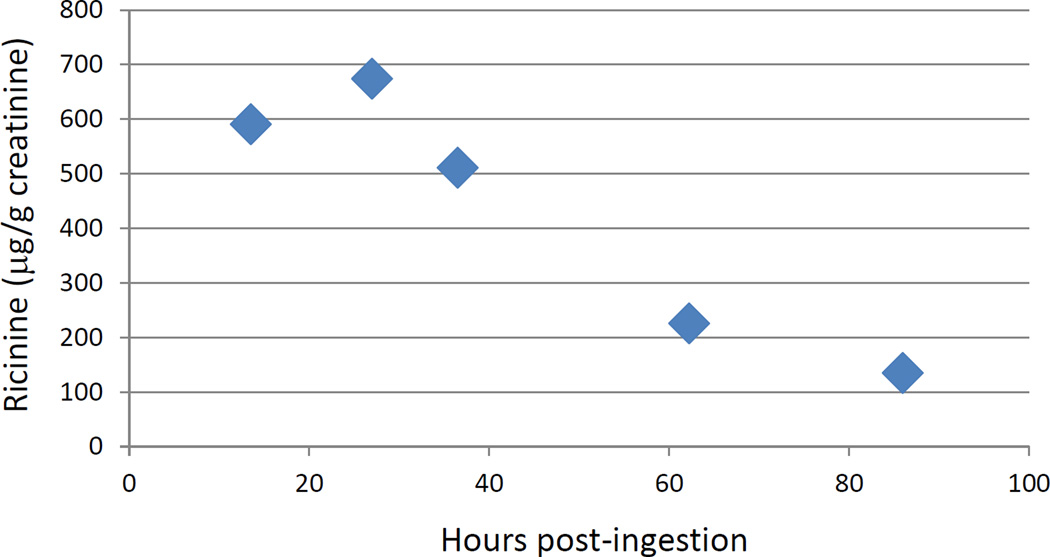
Description:A case is presented of the attempted suicide of a 58-year-old man using castor beans. The patient came to the emergency room complaining of nausea, vomiting and diarrhea for nine hours following the ingestion of six castor beans. Urine samples were taken throughout the hospital stay and submitted to the Centers for Disease Control and Prevention for analysis of ricinine, a castor bean component. The samples were found to be positive for ricinine, with a maximum concentration of 674 µg/g-creatinine excreted approximately 23 h post-exposure. Subsequent samples demonstrated lower ricinine concentrations, with the final sample taken at 62 h post-exposure at a concentration of 135 µg/g-creatinine of ricinine. The estimated urinary excretion half-life was approximately 15 h and the recovery of ricinine in the urine over the three days was estimated to be less than 10%. The patient fully recovered with supportive care and was discharged from the hospital six days after admission.
-
Subjects:
-
Source:J Anal Toxicol. 36(9):660-662.
-
Pubmed ID:23014889
-
Pubmed Central ID:PMC4561852
-
Document Type:
-
Funding:
-
Volume:36
-
Issue:9
-
Collection(s):
-
Main Document Checksum:urn:sha256:c37f44eadfad95c8941dc2cad114467ed077c4dec4774bda1a7b8cd083e196c0
-
Download URL:
-
File Type:
 [PDF
- 401.67 KB
]
[PDF
- 401.67 KB
]
Supporting Files


File Language:
English
ON THIS PAGE

CDC STACKS serves as an archival repository of CDC-published products including
scientific findings,
journal articles, guidelines, recommendations, or other public health information authored or
co-authored by CDC or funded partners.
As a repository, CDC STACKS retains documents in their original published format to ensure public access to scientific information.
As a repository, CDC STACKS retains documents in their original published format to ensure public access to scientific information.
You May Also Like
COLLECTION
CDC Public Access