


Classifying performance impairment in response to sleep loss using pattern recognition algorithms on single session testing
Supporting Files

-
Sep 05 2012
-
File Language:
English
Details
-
Alternative Title:Accid Anal Prev
-
Personal Author:
-
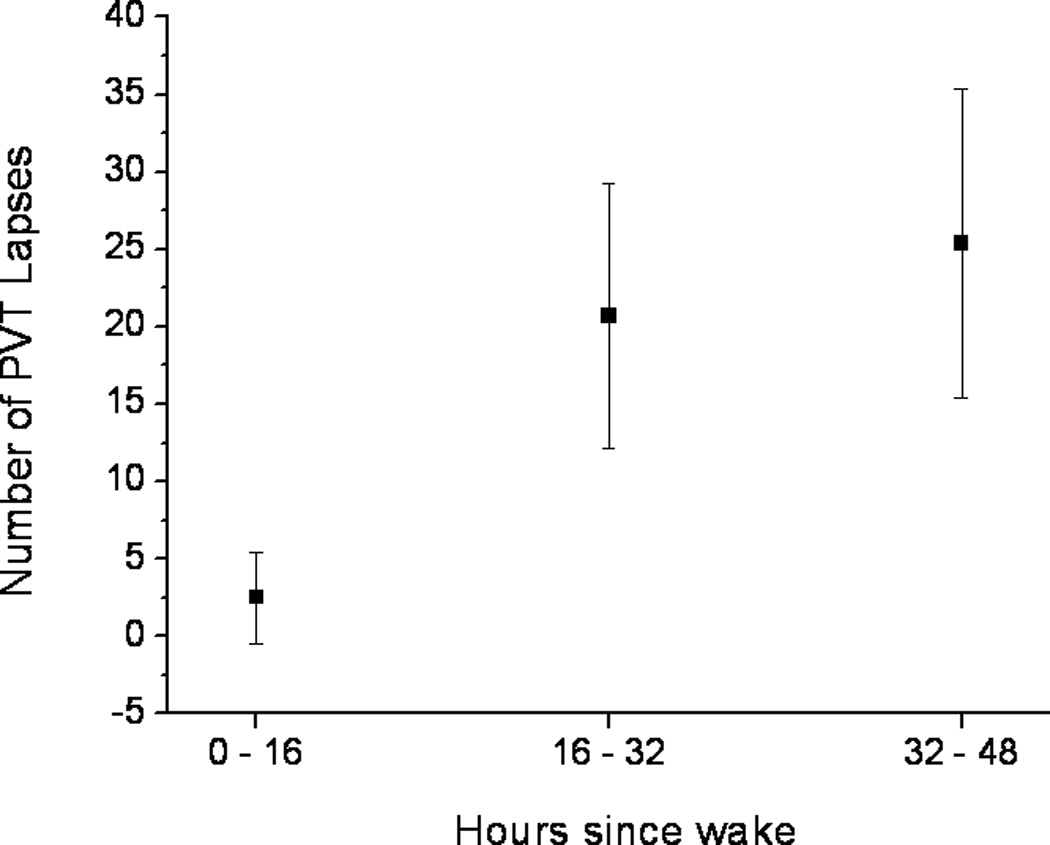
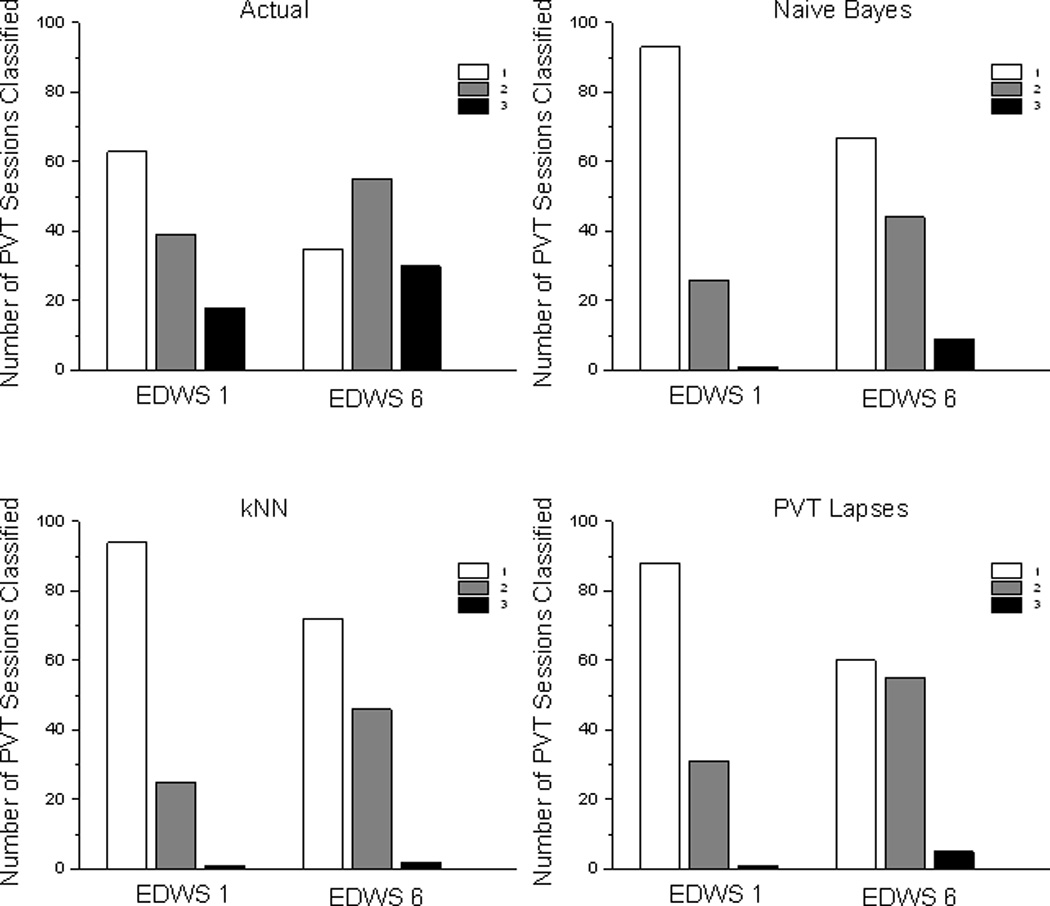
Description:There is currently no "gold standard" marker of cognitive performance impairment resulting from sleep loss. We utilized pattern recognition algorithms to determine which features of data collected under controlled laboratory conditions could most reliably identify cognitive performance impairment in response to sleep loss using data from only one testing session, such as would occur in the "real world" or field conditions. A training set for testing the pattern recognition algorithms was developed using objective Psychomotor Vigilance Task (PVT) and subjective Karolinska Sleepiness Scale (KSS) data collected from laboratory studies during which subjects were sleep deprived for 26-52h. The algorithm was then tested in data from both laboratory and field experiments. The pattern recognition algorithm was able to identify performance impairment with a single testing session in individuals studied under laboratory conditions using PVT, KSS, length of time awake and time of day information with sensitivity and specificity as high as 82%. When this algorithm was tested on data collected under real-world conditions from individuals whose data were not in the training set, accuracy of predictions for individuals categorized with low performance impairment were as high as 98%. Predictions for medium and severe performance impairment were less accurate. We conclude that pattern recognition algorithms may be a promising method for identifying performance impairment in individuals using only current information about the individual's behavior. Single testing features (e.g., number of PVT lapses) with high correlation with performance impairment in the laboratory setting may not be the best indicators of performance impairment under real-world conditions. Pattern recognition algorithms should be further tested for their ability to be used in conjunction with other assessments of sleepiness in real-world conditions to quantify performance impairment in response to sleep loss.
-
Subjects:
-
Source:Accid Anal Prev. 2012; 50:992-1002.
-
Pubmed ID:22959616
-
Pubmed Central ID:PMC3513628
-
Document Type:
-
Funding:1 UL1 RR025758/RR/NCRR NIH HHS/United States ; K02 HD045459/HD/NICHD NIH HHS/United States ; K02-HD045459/HD/NICHD NIH HHS/United States ; K24 HL105664/HL/NHLBI NIH HHS/United States ; K24-HL105663/HL/NHLBI NIH HHS/United States ; M01 RR002635/RR/NCRR NIH HHS/United States ; M01 RR02635/RR/NCRR NIH HHS/United States ; P01 AG009975/AG/NIA NIH HHS/United States ; P01-AG009975/AG/NIA NIH HHS/United States ; R01 HL114088/HL/NHLBI NIH HHS/United States ; R01 HS12032/HS/AHRQ HHS/United States ; R01 OH07567/OH/NIOSH CDC HHS/United States ; RC2 HL101340/HL/NHLBI NIH HHS/United States ; RC2-HL101340/HL/NHLBI NIH HHS/United States ; RC2-HL101340-0/HL/NHLBI NIH HHS/United States ; T32 HL007901/HL/NHLBI NIH HHS/United States ; T32-HL07901/HL/NHLBI NIH HHS/United States ; UL1 RR025758/RR/NCRR NIH HHS/United States
-
Volume:50
-
Collection(s):
-
Main Document Checksum:urn:sha256:89446cadd07616cd35a5366c75ff47429618d6f7fcb396e11ea211617d83ee15
-
Download URL:
-
File Type:
 [PDF
- 432.90 KB
]
[PDF
- 432.90 KB
]
Supporting Files


File Language:
English
ON THIS PAGE


CDC STACKS serves as an archival repository of CDC-published products including
scientific findings,
journal articles, guidelines, recommendations, or other public health information authored or
co-authored by CDC or funded partners.
As a repository, CDC STACKS retains documents in their original published format to ensure public access to scientific information.
As a repository, CDC STACKS retains documents in their original published format to ensure public access to scientific information.
You May Also Like
COLLECTION
CDC Public Access