


A compact DD neutron generator–based NAA system to quantify manganese (Mn) in bone in vivo
Supporting Files

-
Aug 26 2014
-
Details
-
Alternative Title:Physiol Meas
-
Personal Author:
-
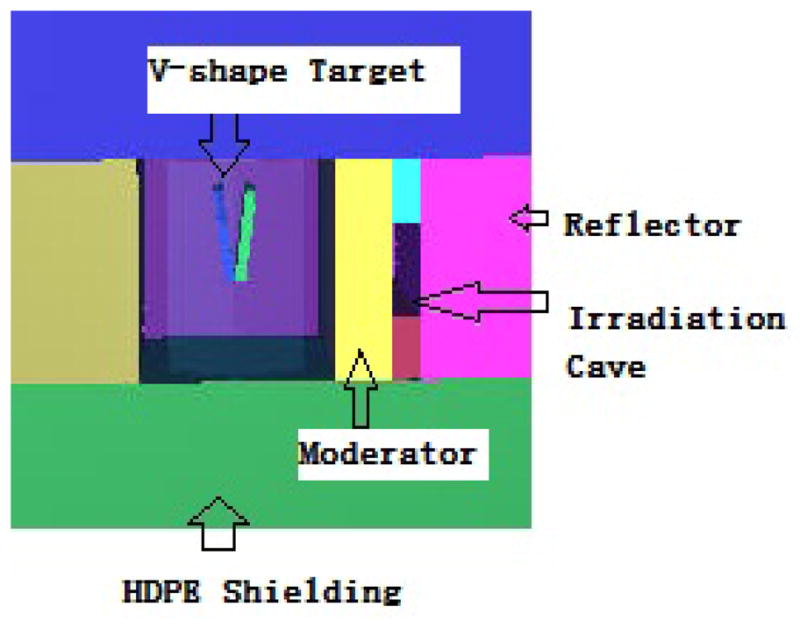
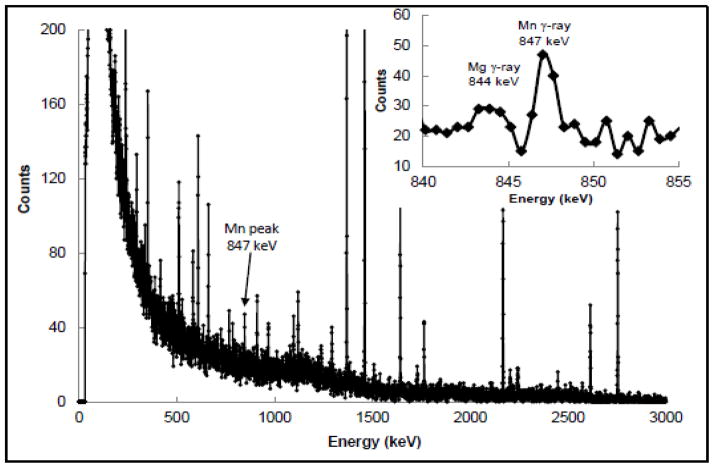
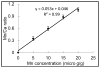
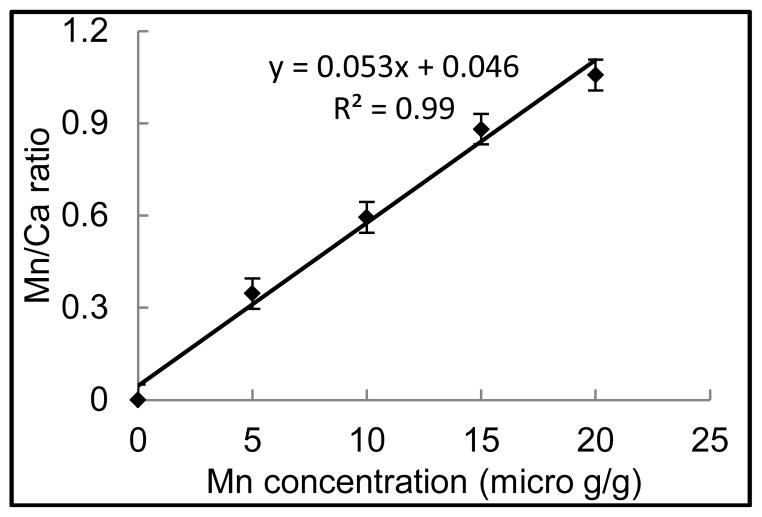
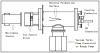
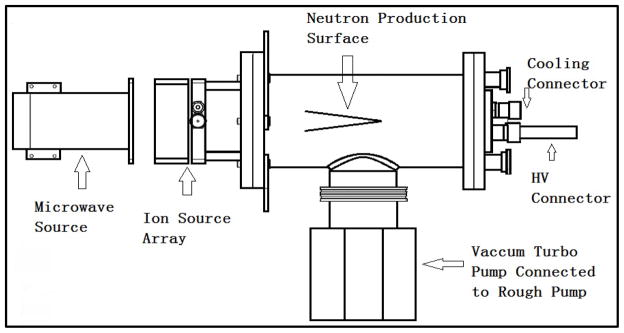
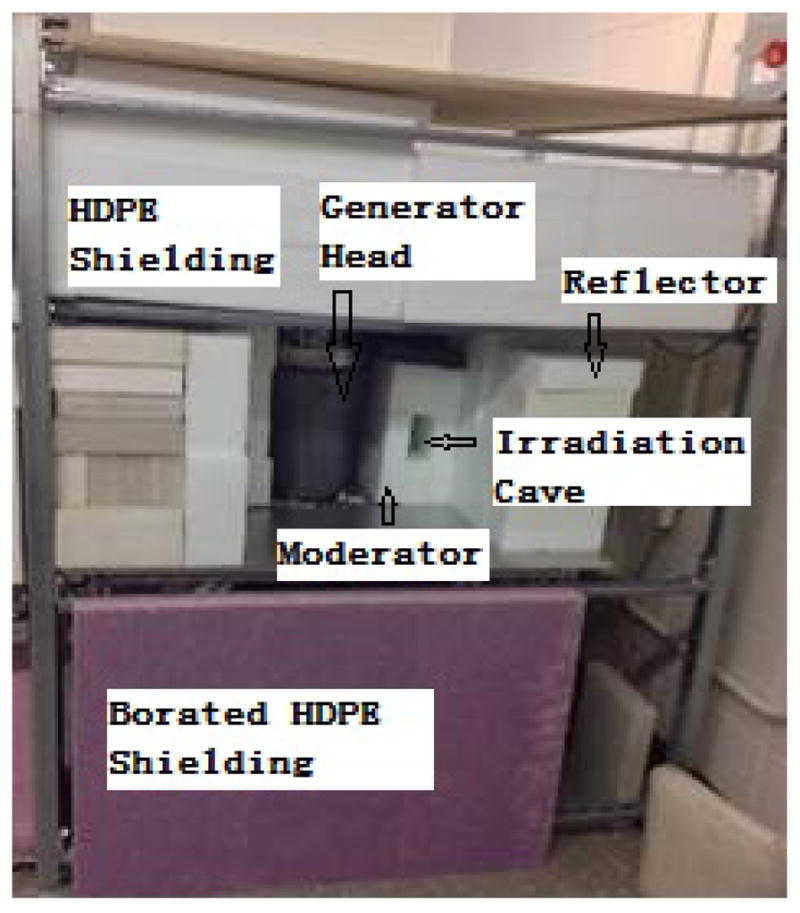
Description:A deuterium-deuterium (DD) neutron generator-based neutron activation analysis (NAA) system has been developed to quantify metals, including manganese (Mn), in bone in vivo. A DD neutron generator with a flux of up to 3*10(9) neutrons s(-1) was set up in our lab for this purpose. Optimized settings, including moderator, reflector, and shielding material and thickness, were selected based on Monte Carlo (MC) simulations conducted in our previous work. Hand phantoms doped with different Mn concentrations were irradiated using the optimized DD neutron generator irradiation system. The Mn characteristic γ-rays were collected by an HPGe detector system with 100% relative efficiency. The calibration line of the Mn/calcium (Ca) count ratio versus bone Mn concentration was obtained (R(2) = 0.99) using the hand phantoms. The detection limit (DL) was calculated to be about 1.05 μg g(-1) dry bone (ppm) with an equivalent dose of 85.4 mSv to the hand. The DL can be reduced to 0.74 ppm by using two 100% HPGe detectors. The whole body effective dose delivered to the irradiated subject was calculated to be about 17 μSv. Given the average normal bone Mn concentration of 1 ppm in the general population, this system is promising for in vivo bone Mn quantification in humans.
-
Subjects:
-
Source:Physiol Meas. 35(9):1899-1911.
-
Pubmed ID:25154883
-
Pubmed Central ID:PMC4388434
-
Document Type:
-
Funding:
-
Volume:35
-
Issue:9
-
Collection(s):
-
Main Document Checksum:urn:sha256:ca8461d892b3394e3e74e6b2c886974469ab015c760a39b5352ddfa4e8370c19
-
Download URL:
-
File Type:
 [PDF
- 937.26 KB
]
[PDF
- 937.26 KB
]
Supporting Files


ON THIS PAGE






CDC STACKS serves as an archival repository of CDC-published products including
scientific findings,
journal articles, guidelines, recommendations, or other public health information authored or
co-authored by CDC or funded partners.
As a repository, CDC STACKS retains documents in their original published format to ensure public access to scientific information.
As a repository, CDC STACKS retains documents in their original published format to ensure public access to scientific information.
You May Also Like
COLLECTION
CDC Public Access