



Molecular Regulation of Cardiomyocyte Differentiation
Supporting Files

-
Jan 16 2015
-
File Language:
English
Details
-
Alternative Title:Circ Res
-
Personal Author:
-
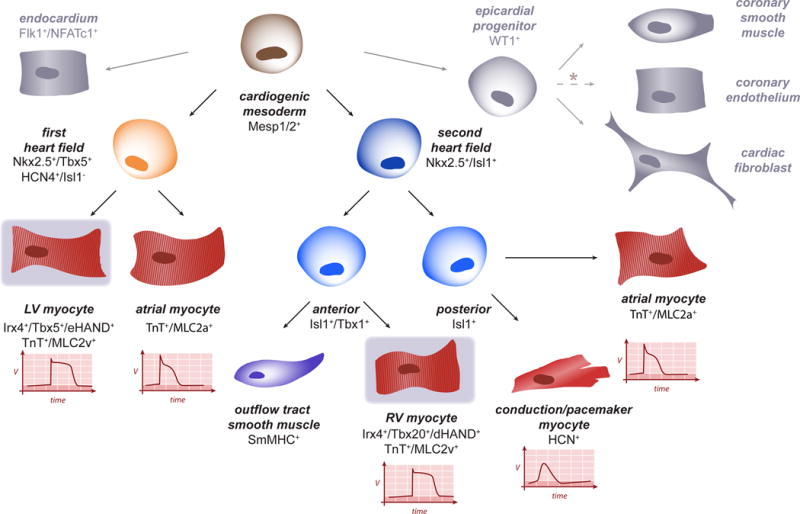
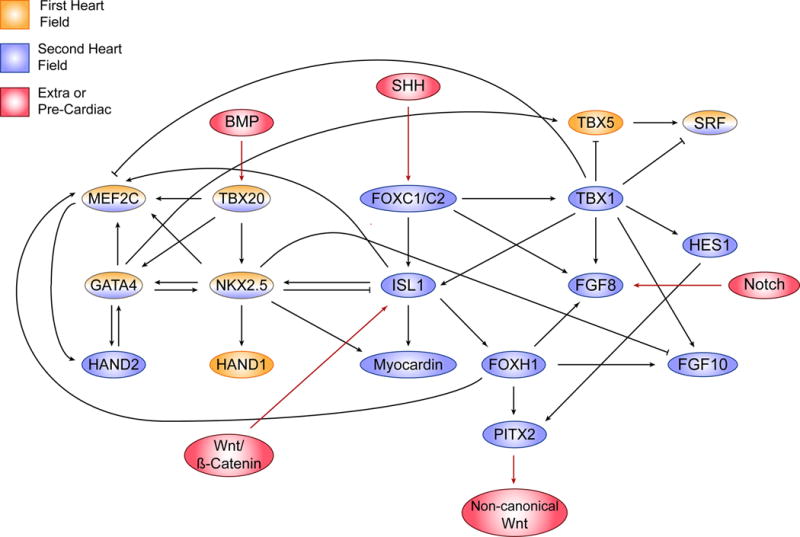
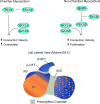
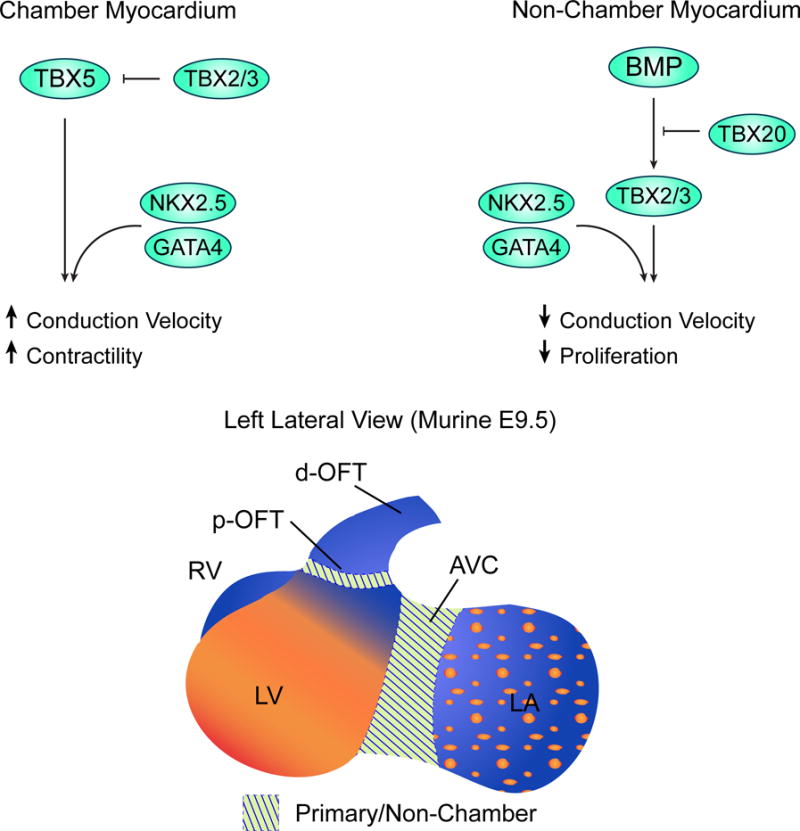
Description:The heart is the first organ to form during embryonic development. Given the complex nature of cardiac differentiation and morphogenesis, it is not surprising that some form of congenital heart disease is present in ≈1 percent of newborns. The molecular determinants of heart development have received much attention over the past several decades. This has been driven in large part by an interest in understanding the causes of congenital heart disease coupled with the potential of using knowledge from developmental biology to generate functional cells and tissues that could be used for regenerative medicine purposes. In this review, we highlight the critical signaling pathways and transcription factor networks that regulate cardiomyocyte lineage specification in both in vivo and in vitro models. Special focus will be given to epigenetic regulators that drive the commitment of cardiomyogenic cells from nascent mesoderm and their differentiation into chamber-specific myocytes, as well as regulation of myocardial trabeculation.
-
Subjects:
-
Source:Circ Res. 116(2):341-353.
-
Pubmed ID:25593278
-
Pubmed Central ID:PMC4299877
-
Document Type:
-
Funding:
-
Volume:116
-
Issue:2
-
Collection(s):
-
Main Document Checksum:urn:sha256:f0ab535fca7bf3928a200ea79ccae9769673c26bd21fddbc05b3f5f77d4a1178
-
Download URL:
-
File Type:
 [PDF
- 826.04 KB
]
[PDF
- 826.04 KB
]
Supporting Files


File Language:
English
 Was this page helpful?
 Found an issue?


CDC STACKS serves as an archival repository of CDC-published products including
scientific findings,
journal articles, guidelines, recommendations, or other public health information authored or
co-authored by CDC or funded partners.
As a repository, CDC STACKS retains documents in their original published format to ensure public access to scientific information.
As a repository, CDC STACKS retains documents in their original published format to ensure public access to scientific information.
You May Also Like
COLLECTION
CDC Public Access