


Fructose Intake and Cardiovascular Risk Factors in Youth with Type 1 Diabetes: SEARCH for Diabetes in Youth Study
Supporting Files

-
March 27 2013
-
File Language:
English
Details
-
Alternative Title:Diabetes Res Clin Pract
-
Personal Author:
-
Description:Aims
High consumption of dietary fructose has been shown to contribute to dyslipidemia and elevated blood pressure in adults, but there are few data in youth, particularly those at greater risk of cardiovascular disease (CVD). The aim of this study was to examine the association between fructose intake and CVD risk factors in a diverse population of youth with type 1diabetes (T1D).
Methods
This was a cross-sectional analysis of data from the SEARCH for Diabetes in Youth study, including 2085 youth ages 10–22 years with T1D, of which 22% were racial/ethnic minority and 50% were female. A semi-quantitative food frequency questionnaire was used to assess intake.
Results
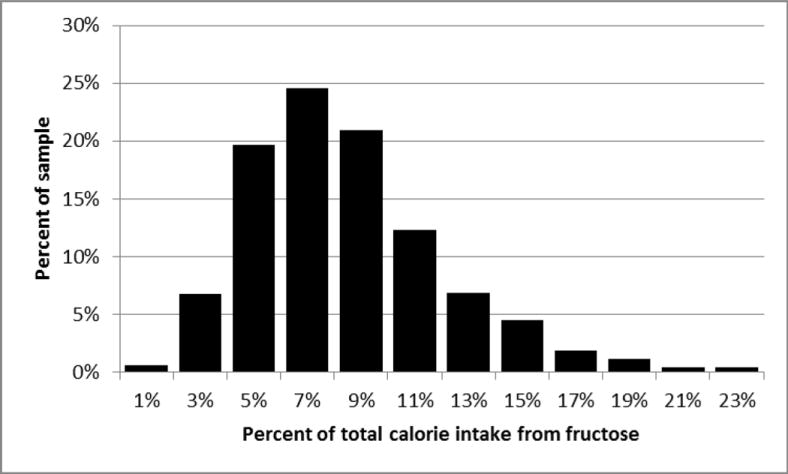
Median daily fructose consumption was 7.9% of total calories. Fructose intake was positively associated with triglycerides (p<.01), but not with total cholesterol, LDL-cholesterol, HDL-cholesterol, or blood pressure after adjustment for physical activity and socio-demographic, clinical, and dietary covariates. An increase in fructose intake of 22 grams (equivalent to a 12 oz. can of soda) was associated with a 23% higher odds of borderline/ high versus low triglycerides (p<.005).
Conclusion
These data suggest that children with T1D should moderate their intake of fructose, particularly those with borderline or high triglycerides.
-
Subjects:
-
Source:Diabetes Res Clin Pract. 2013; 100(2):265-271
-
Pubmed ID:23540682
-
Pubmed Central ID:PMC3764988
-
Document Type:
-
Funding:P30 DK057516/DK/NIDDK NIH HHS/United States ; 1U18DP002709/DP/NCCDPHP CDC HHS/United States ; U48/CCU819241-3/PHS HHS/United States ; M01RR00037/RR/NCRR NIH HHS/United States ; U01 DP000247/DP/NCCDPHP CDC HHS/United States ; R01 DK077949/DK/NIDDK NIH HHS/United States ; DERC NIH P30 DK57516/DK/NIDDK NIH HHS/United States ; U18 DP002710/DP/NCCDPHP CDC HHS/United States ; U18DP002714/DP/NCCDPHP CDC HHS/United States ; U01 DP000245/DP/NCCDPHP CDC HHS/United States ; DP-05-069/DP/NCCDPHP CDC HHS/United States ; U48/CCU419249/PHS HHS/United States ; M01 RR000069/RR/NCRR NIH HHS/United States ; U18DP002708-01/DP/NCCDPHP CDC HHS/United States ; U18 DP002714/DP/NCCDPHP CDC HHS/United States ; U01 DP000248/DP/NCCDPHP CDC HHS/United States ; U48/CCU919219/PHS HHS/United States ; M01 RR000037/RR/NCRR NIH HHS/United States ; DP-10-001/DP/NCCDPHP CDC HHS/United States ; U01 DP000244/DP/NCCDPHP CDC HHS/United States ; 00097/PHS HHS/United States ; 1UL1RR026314-01/RR/NCRR NIH HHS/United States ; U18DP000247-06A1/DP/NCCDPHP CDC HHS/United States ; U48/CCU519239/PHS HHS/United States ; U18DP002710-01/DP/NCCDPHP CDC HHS/United States ; U01DP000247/DP/NCCDPHP CDC HHS/United States ; UL1 RR029882/RR/NCRR NIH HHS/United States ; M01 RR00069/RR/NCRR NIH HHS/United States ; U58/CCU019235-4/PHS HHS/United States ; U18 DP002709/DP/NCCDPHP CDC HHS/United States ; U01 DP000250/DP/NCCDPHP CDC HHS/United States ; U01 DP000246/DP/NCCDPHP CDC HHS/United States ; U01 DP000254/DP/NCCDPHP CDC HHS/United States ; UL1 RR026314/RR/NCRR NIH HHS/United States ; U01DP000244/DP/NCCDPHP CDC HHS/United States ; U18 DP002708/DP/NCCDPHP CDC HHS/United States ; UL1RR029882/RR/NCRR NIH HHS/United States ; HIR 10-001/HX/HSRD VA/United States
-
Volume:100
-
Issue:2
-
Collection(s):
-
Main Document Checksum:urn:sha256:5b7138f60453462cdc97dde4ca143736f94696287987cf1f78a6880e29882318
-
Download URL:
-
File Type:
 [PDF
- 247.59 KB
]
[PDF
- 247.59 KB
]
Supporting Files


File Language:
English
ON THIS PAGE

CDC STACKS serves as an archival repository of CDC-published products including
scientific findings,
journal articles, guidelines, recommendations, or other public health information authored or
co-authored by CDC or funded partners.
As a repository, CDC STACKS retains documents in their original published format to ensure public access to scientific information.
As a repository, CDC STACKS retains documents in their original published format to ensure public access to scientific information.
You May Also Like
COLLECTION
CDC Public Access