


Current management of prosthetic joint infections in adults: results of an Emerging Infections Network survey
Supporting Files

-
January 09 2013
-
File Language:
English
Details
-
Alternative Title:Int J Antimicrob Agents
-
Personal Author:
-
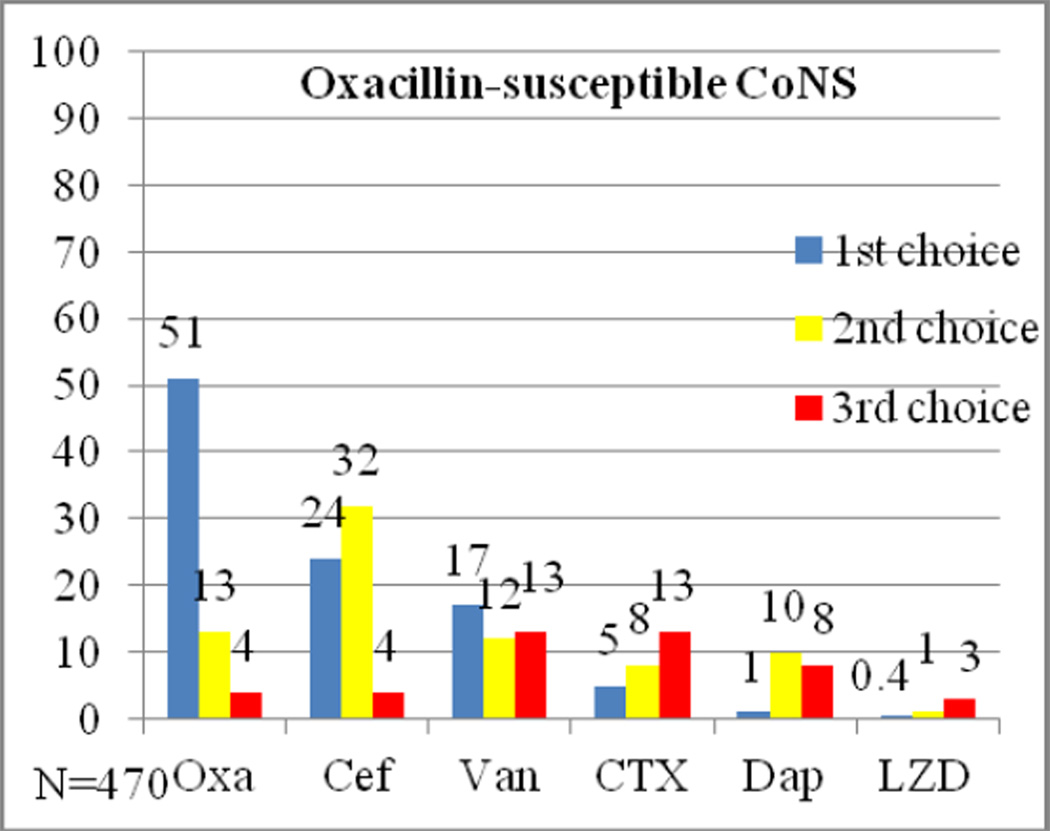
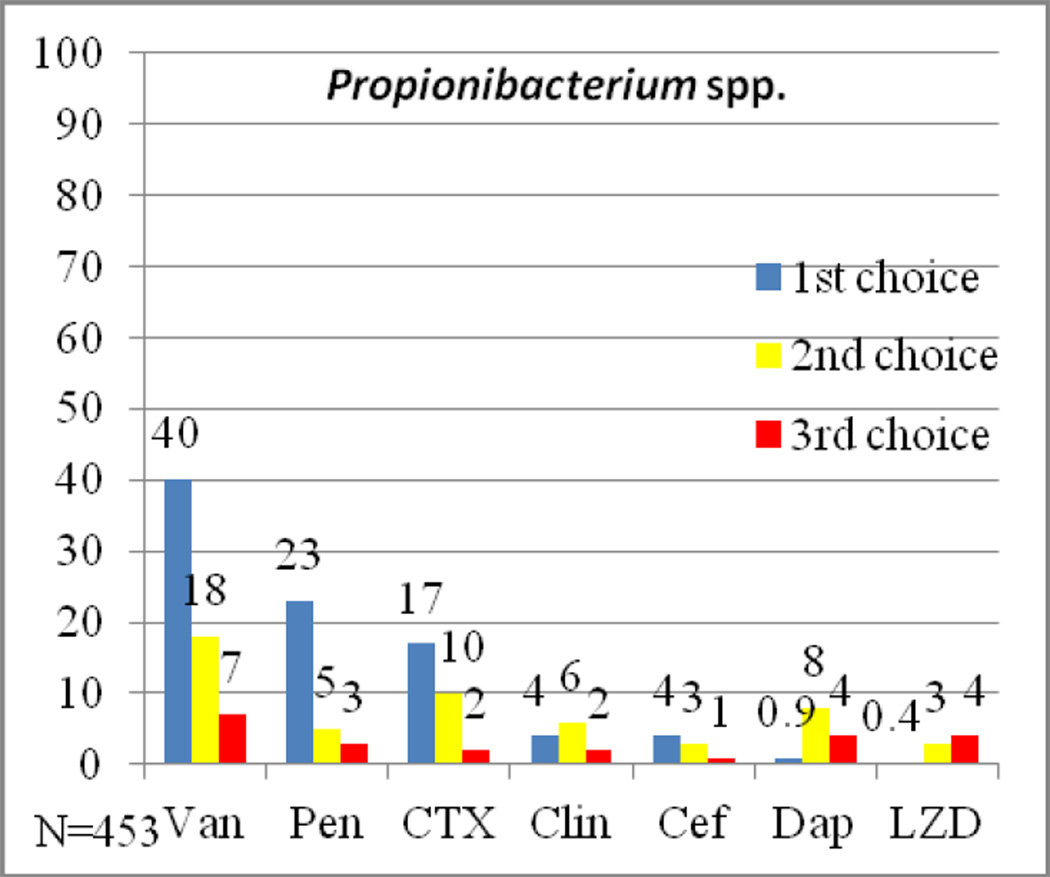
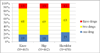
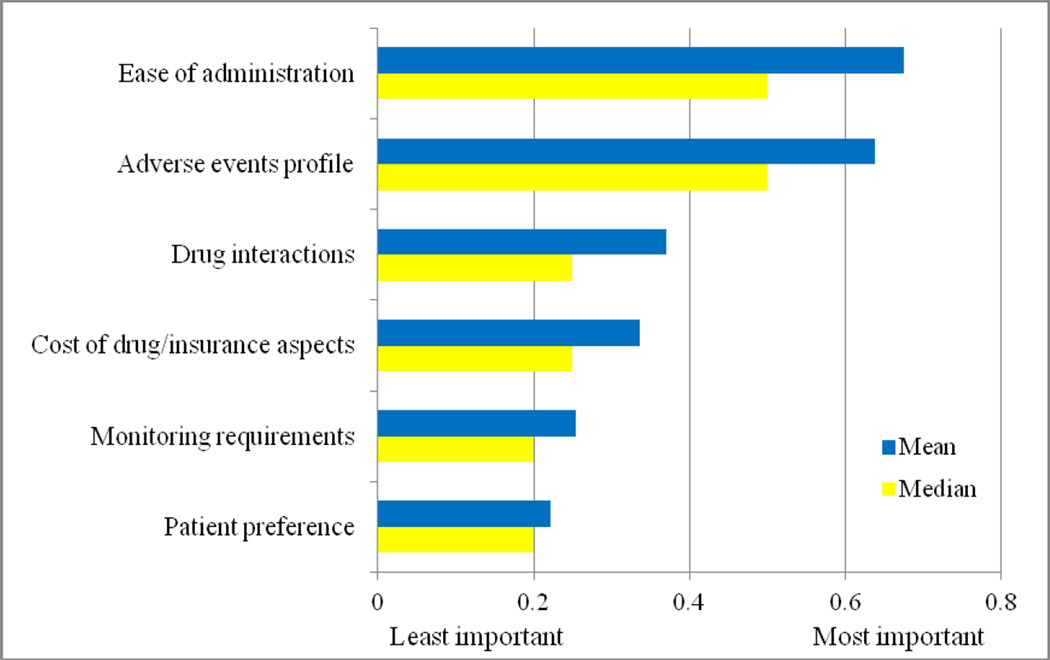
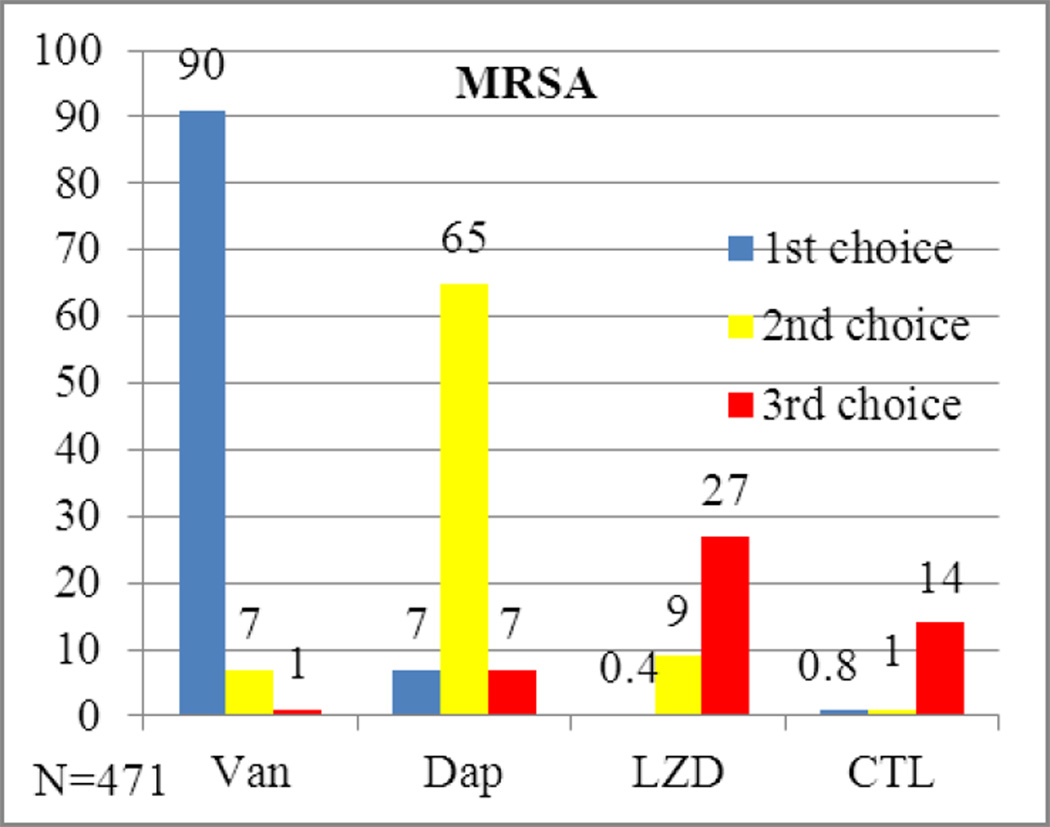
Description:There is a dearth of guidance on the management of prosthetic joint infections (PJIs), in particular because of the lack of high-quality evidence for optimal antibiotics. Thus, we designed a nine-question survey of current practices and preferences among members of the Emerging Infections Network, a CDC-sponsored network of infectious diseases physicians, which was distributed in May 2012. In total, 556 (47.2%) of 1178 network members responded. As first-line antibiotic choice for MSSA PJI, 59% of responders indicated oxacillin/nafcillin, 33% cefazolin and 7% ceftriaxone; the commonest alternative was cefazolin (46%). For MRSA PJI, 90% preferred vancomycin, 7% daptomycin and 0.8% ceftaroline; the commonest alternative was daptomycin (65%). Antibiotic selection for coagulase-negative staphylococci varied depending on methicillin susceptibility. For staphylococcal PJIs with retained hardware, most providers would add rifampicin. Propionibacterium is usually treated with vancomycin (40%), penicillin (23%) or ceftriaxone (17%). Most responders thought 10-19% of all PJIs were culture-negative. Culture-negative PJIs of the lower extremities are usually treated with a vancomycin/fluoroquinolone combination, and culture-negative shoulder PJIs with vancomycin/ceftriaxone. The most cited criteria for selecting antibiotics were ease of administration and the safety profile. A treatment duration of 6-8 weeks is preferred (by 77% of responders) and is mostly guided by clinical response and inflammatory markers. Ninety-nine percent of responders recommend oral antibiotic suppression (for varying durations) in patients with retained hardware. In conclusion, there is considerable variation in treatment of PJIs both with identified pathogens and those with negative cultures. Future studies should aim to identify optimum treatment strategies.
-
Subjects:
-
Source:Int J Antimicrob Agents. 41(3):272-277
-
Pubmed ID:23312602
-
Pubmed Central ID:PMC3572796
-
Document Type:
-
Funding:KM1CA156708-01/CA/NCI NIH HHS/United States ; KL2TR000450/TR/NCATS NIH HHS/United States ; 5U50CK000187/CK/NCEZID CDC HHS/United States ; UL1TR000448/TR/NCATS NIH HHS/United States ; KL2RR024994/RR/NCRR NIH HHS/United States ; UL1 TR000448/TR/NCATS NIH HHS/United States ; TL1TR000449/TR/NCATS NIH HHS/United States ; TL1 TR000449/TR/NCATS NIH HHS/United States ; U54 CK000162/CK/NCEZID CDC HHS/United States ; KL2 RR024994/RR/NCRR NIH HHS/United States ; 5U54CK000162/CK/NCEZID CDC HHS/United States ; KM1 CA156708/CA/NCI NIH HHS/United States ; U50 CK000187/CK/NCEZID CDC HHS/United States ; KL2 TR000450/TR/NCATS NIH HHS/United States
-
Volume:41
-
Issue:3
-
Collection(s):
-
Main Document Checksum:urn:sha256:b7e5a5e95a9f2d04280b9c808c58edfda70a5ddc92ba7702a643d6b76fabfeb9
-
Download URL:
-
File Type:
 [PDF
- 1.51 MB
]
[PDF
- 1.51 MB
]
Supporting Files


File Language:
English
ON THIS PAGE





CDC STACKS serves as an archival repository of CDC-published products including
scientific findings,
journal articles, guidelines, recommendations, or other public health information authored or
co-authored by CDC or funded partners.
As a repository, CDC STACKS retains documents in their original published format to ensure public access to scientific information.
As a repository, CDC STACKS retains documents in their original published format to ensure public access to scientific information.
You May Also Like
COLLECTION
CDC Public Access