


Child, Household, and Caregiver Characteristics Associated with Hospitalization for Influenza Among Children 6–59 Months of Age
Supporting Files
Public Domain

-
Jun 2014
-
Details
-
Alternative Title:Pediatr Infect Dis J
-
Personal Author:Dharan, Nila J. ; Sokolow, Leslie Z. ; Cheng, Po-Yung ; Gargiullo, Paul ; Gershman, Ken ; Lynfield, Ruth ; Morin, Craig ; Thomas, Ann ; Meek, James ; Farley, Monica M. ; Arnold, Kathryn E. ; Reingold, Arthur ; Craig, Allen S. ; Schaffner, William ; Bennett, Nancy M. ; Zansky, Shelley ; Baumbach, Joan ; Lathrop, Sarah ; Kamimoto, Laurie ; Shay, David K.
-
Description:Background:
Young children are at increased risk of severe outcomes from influenza illness, including hospitalization. We conducted a case-control study to identify risk factors for influenza-associated hospitalizations among children in US Emerging Infections Program sites.
Methods:
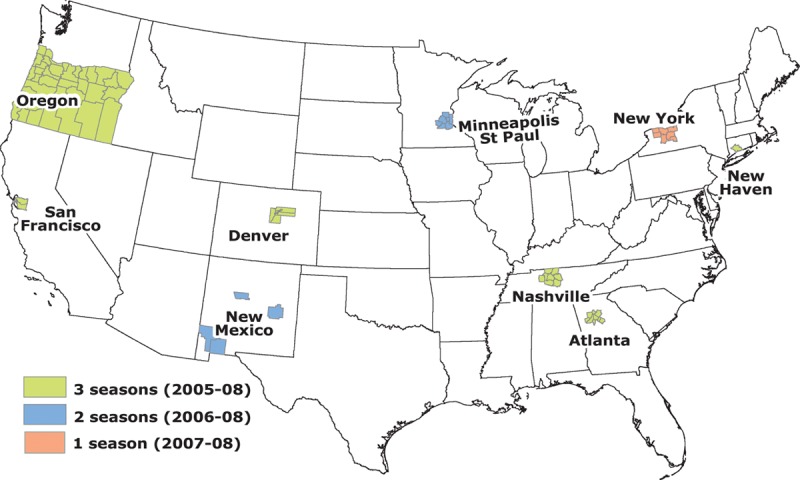
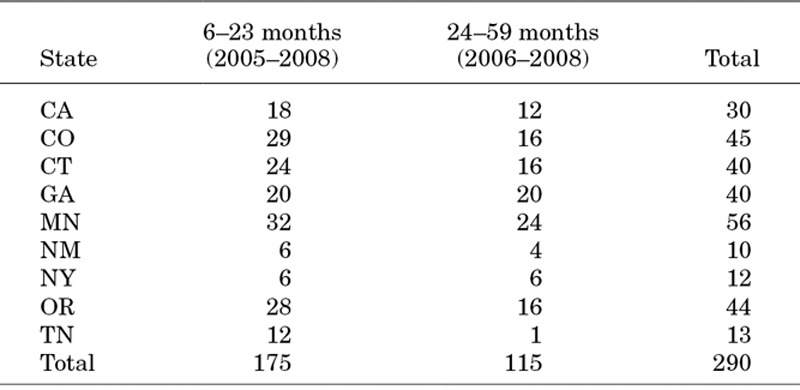
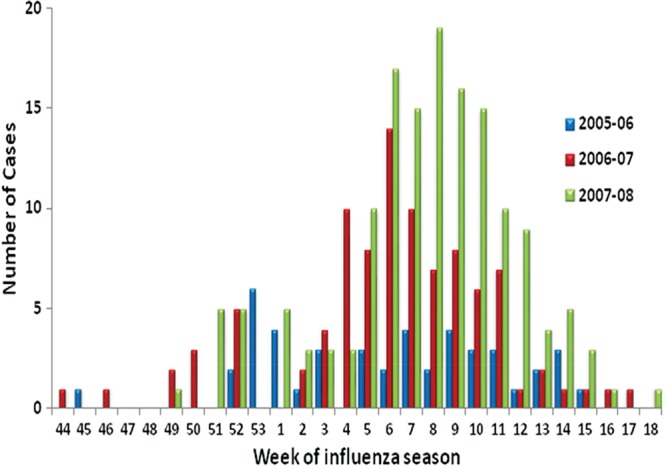
Cases were children 6–59 months of age hospitalized for laboratory-confirmed influenza infections during 2005–2008. Age- and zip-code-matched controls were enrolled. Data on child, caregiver and household characteristics were collected from parents and medical records. Conditional logistic regression was used to identify independent risk factors for hospitalization.
Results:
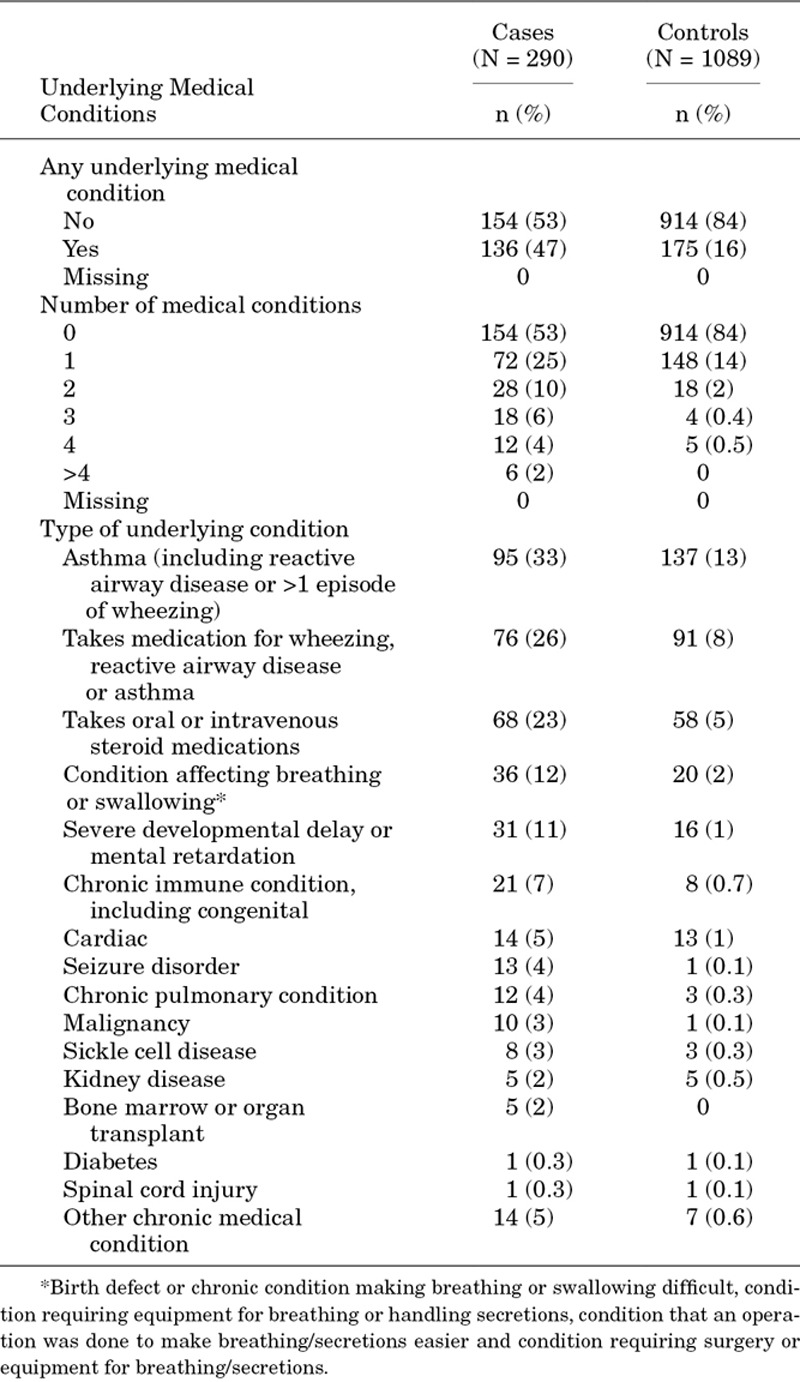
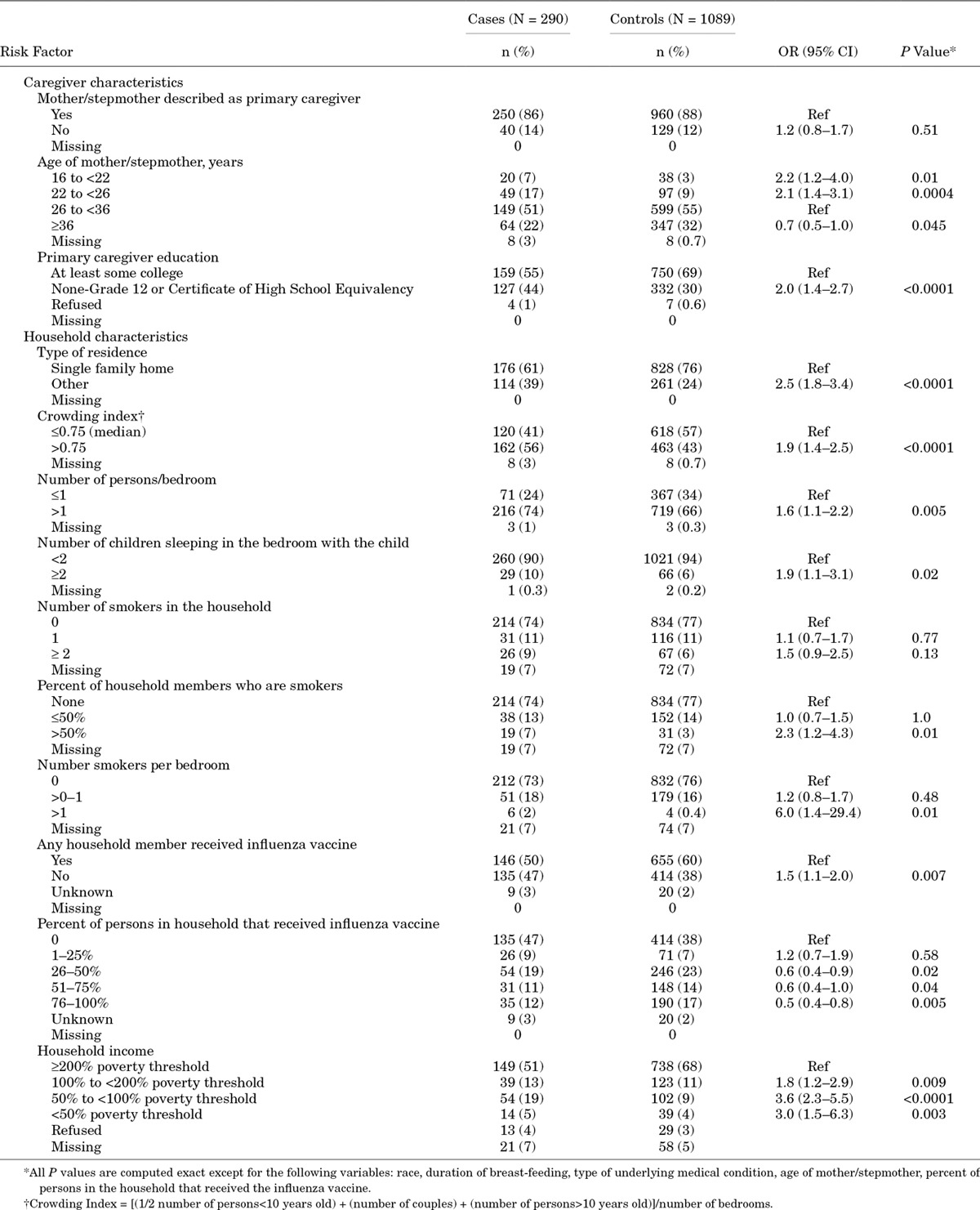
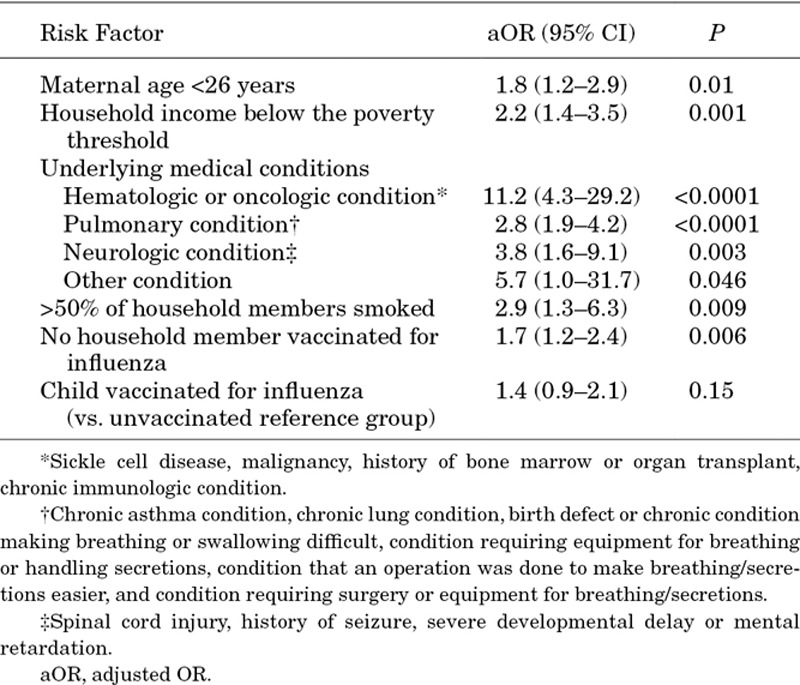
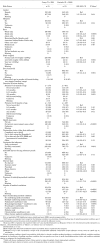
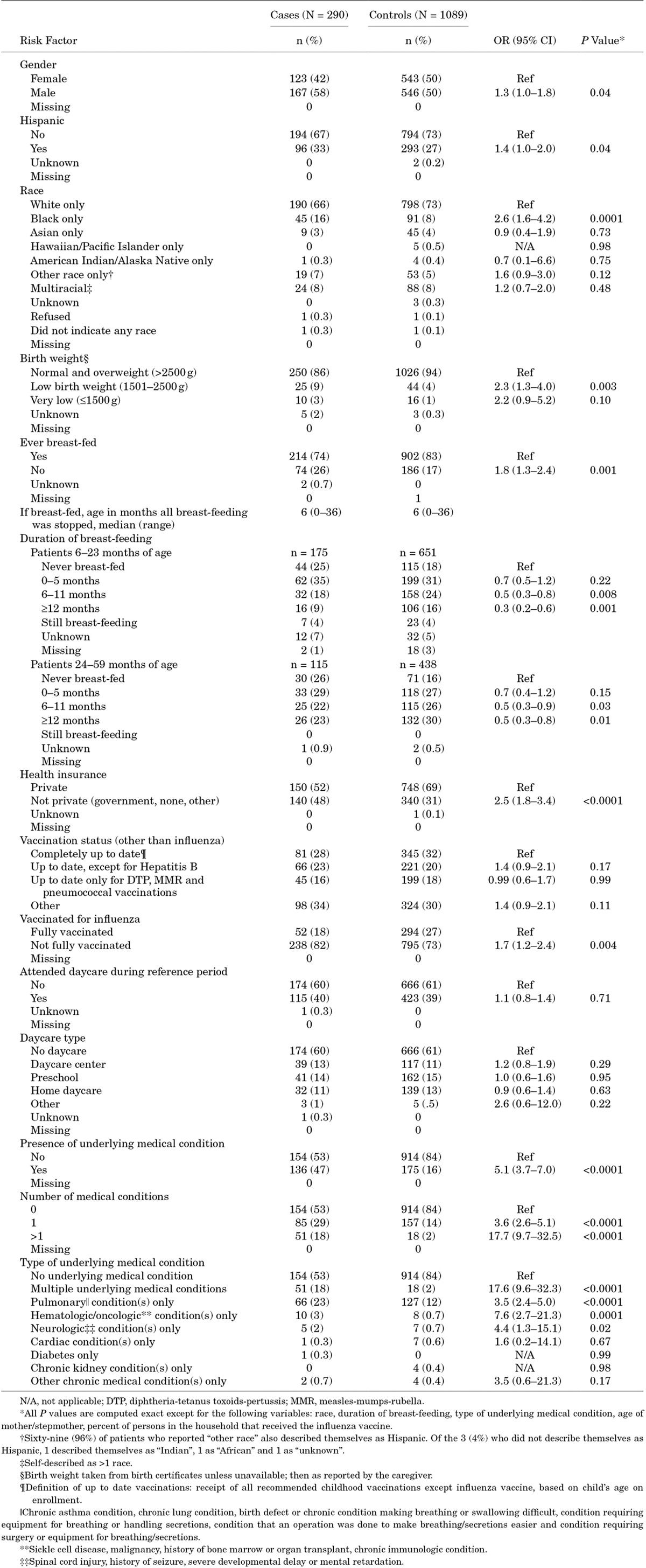
We enrolled 290 (64%) of 454 eligible cases and 1089 (49%) of 2204 eligible controls. Risk for influenza hospitalization increased with maternal age <26 years [odds ratio (OR): 1.8, 95% confidence interval (CI): 1.1–2.9]; household income below the poverty threshold (OR: 2.2, 95% CI: 1.4–3.6); smoking by >50% of household members (OR: 2.9, 95% CI: 1.4–6.6); lack of household influenza vaccination (OR: 1.8, 95% CI: 1.2–2.5) and presence of chronic illnesses, including hematologic/oncologic (OR: 11.8, 95% CI: 4.5–31.0), pulmonary (OR: 2.9, 95% CI: 1.9–4.4) and neurologic (OR: 3.8, 95% CI: 1.6–9.2) conditions. Full influenza immunization decreased the risk among children 6–23 months of age (OR: 0.5, 95% CI: 0.3–0.9) but not among those 24–59 months of age (OR: 1.5, 95% CI: 0.8–3.0; P value for difference = 0.01).
Conclusions:
Chronic illnesses, young maternal age, poverty, household smoking and lack of household influenza vaccination increased the risk of influenza hospitalization. These characteristics may help providers to identify young children who are at greatest risk for severe outcomes from influenza illness.
-
Subjects:
-
Source:Pediatr Infect Dis J. 2014; 33(6):e141-e150.
-
Document Type:
-
Volume:33
-
Issue:6
-
Collection(s):
-
Main Document Checksum:urn:sha256:20ecef341f3e8cd64fc0a860ae4f0ac66755b07ad21c68114abc6b11614df69d
-
Download URL:
-
File Type:
 [PDF
- 753.48 KB
]
[PDF
- 753.48 KB
]
Supporting Files


ON THIS PAGE



CDC STACKS serves as an archival repository of CDC-published products including
scientific findings,
journal articles, guidelines, recommendations, or other public health information authored or
co-authored by CDC or funded partners.
As a repository, CDC STACKS retains documents in their original published format to ensure public access to scientific information.
As a repository, CDC STACKS retains documents in their original published format to ensure public access to scientific information.
You May Also Like
COLLECTION
CDC Public Access