


A general framework for estimating the relative pathogenicity of human genetic variants
Supporting Files

-
3-2014
-
File Language:
English
Details
-
Alternative Title:Nat Genet
-
Personal Author:
-
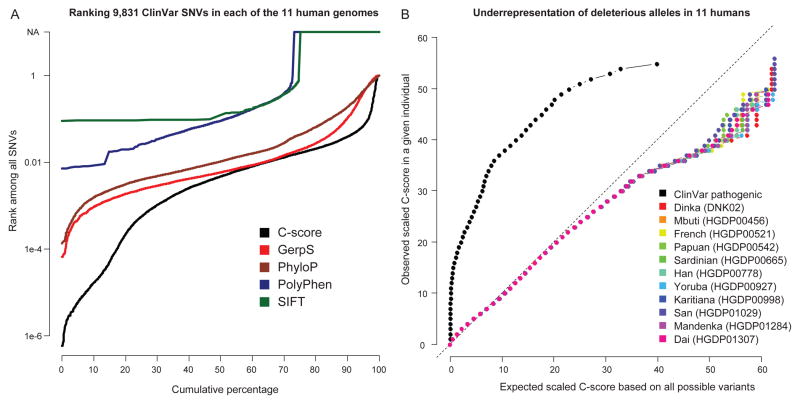
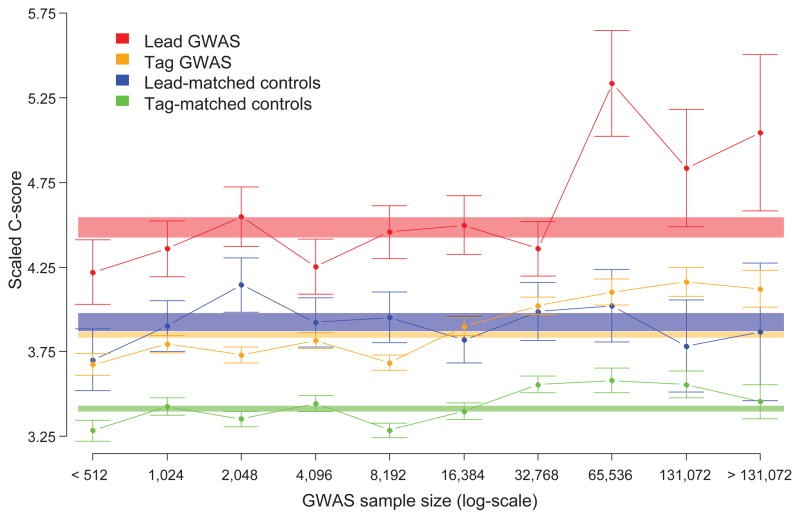
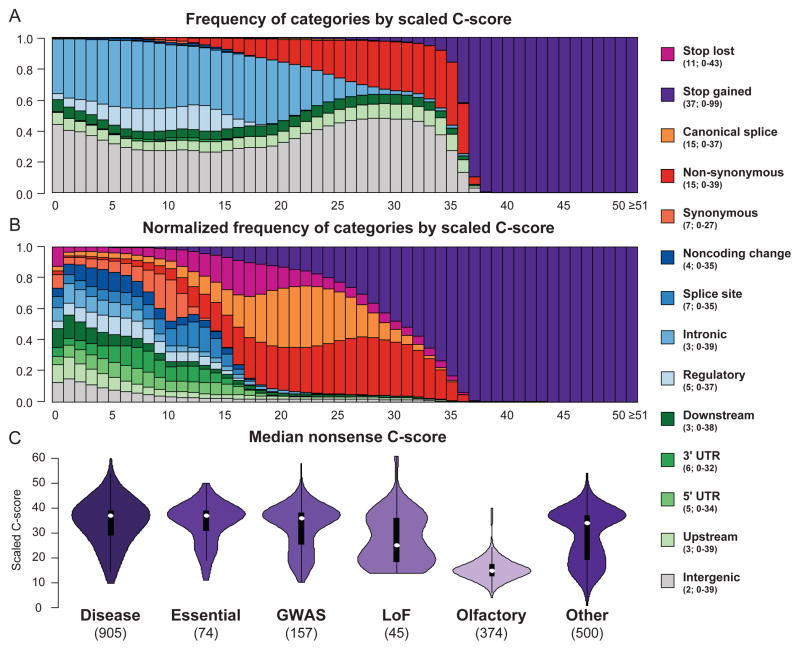
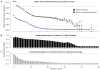
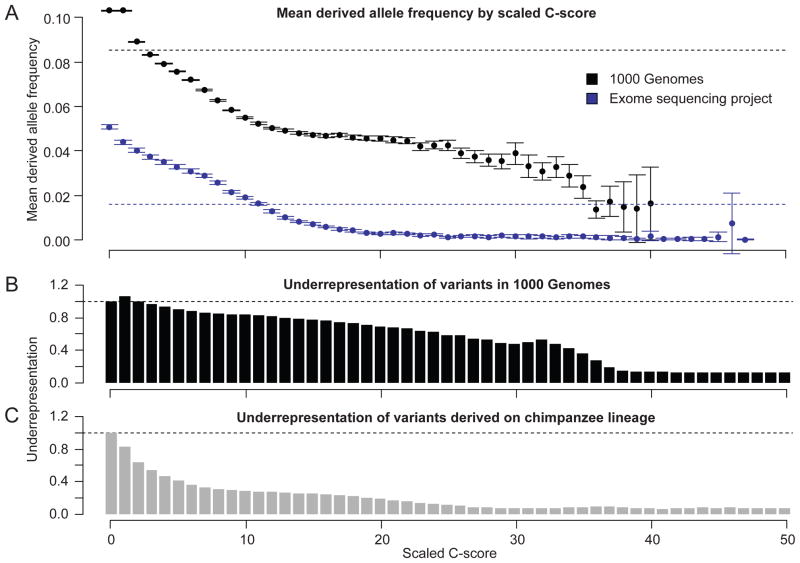
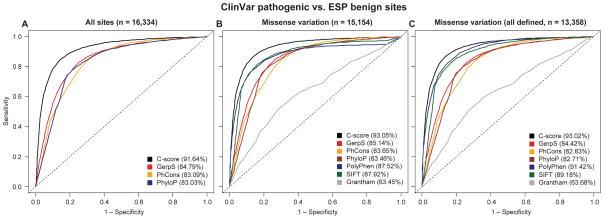
Description:Current methods for annotating and interpreting human genetic variation tend to exploit a single information type (for example, conservation) and/or are restricted in scope (for example, to missense changes). Here we describe Combined Annotation-Dependent Depletion (CADD), a method for objectively integrating many diverse annotations into a single measure (C score) for each variant. We implement CADD as a support vector machine trained to differentiate 14.7 million high-frequency human-derived alleles from 14.7 million simulated variants. We precompute C scores for all 8.6 billion possible human single-nucleotide variants and enable scoring of short insertions-deletions. C scores correlate with allelic diversity, annotations of functionality, pathogenicity, disease severity, experimentally measured regulatory effects and complex trait associations, and they highly rank known pathogenic variants within individual genomes. The ability of CADD to prioritize functional, deleterious and pathogenic variants across many functional categories, effect sizes and genetic architectures is unmatched by any current single-annotation method.
-
Keywords:
-
Source:Nat Genet. 46(3):310-315
-
Pubmed ID:24487276
-
Pubmed Central ID:PMC3992975
-
Document Type:
-
Funding:U54 HG006493/HG/NHGRI NIH HHSUnited States/ ; U54HG006493/HG/NHGRI NIH HHSUnited States/ ; DP1HG007811/DP/NCCDPHP CDC HHSUnited States/ ; DP1 HG007811/HG/NHGRI NIH HHSUnited States/ ; DP5OD009145/OD/NIH HHSUnited States/ ; DP5 OD009145/OD/NIH HHSUnited States/ ; UM1 HG006493/HG/NHGRI NIH HHSUnited States/
-
Volume:46
-
Issue:3
-
Collection(s):
-
Main Document Checksum:urn:sha256:8fb19690359bad927edb0d0b2fc0b90ba8c7388f970ec40d092003480e219e90
-
Download URL:
-
File Type:
 [PDF
- 1.35 MB
]
[PDF
- 1.35 MB
]
Supporting Files


File Language:
English
ON THIS PAGE




CDC STACKS serves as an archival repository of CDC-published products including
scientific findings,
journal articles, guidelines, recommendations, or other public health information authored or
co-authored by CDC or funded partners.
As a repository, CDC STACKS retains documents in their original published format to ensure public access to scientific information.
As a repository, CDC STACKS retains documents in their original published format to ensure public access to scientific information.
You May Also Like
COLLECTION
CDC Public Access