



Molecular signatures of antibody responses derived from a systems biological study of 5 human vaccines
Supporting Files

-
December 15 2013
-
File Language:
English
Details
-
Alternative Title:Nat Immunol
-
Personal Author:Li, Shuzhao ; Rouphael, Nadine ; Duraisingham, Sai ; Romero-Steiner, Sandra ; Presnell, Scott ; Davis, Carl ; Schmidt, Daniel S ; Johnson, Scott E ; Milton, Andrea ; Rajam, Gowrisankar ; Kasturi, Sudhir ; Carlone, George M ; Quinn, Charlie ; Chaussabel, Damien ; Palucka, A Karolina ; Mulligan, Mark J ; Ahmed, Rafi ; Stephens, David S ; Nakaya, Helder I ; Pulendran, Bali
-
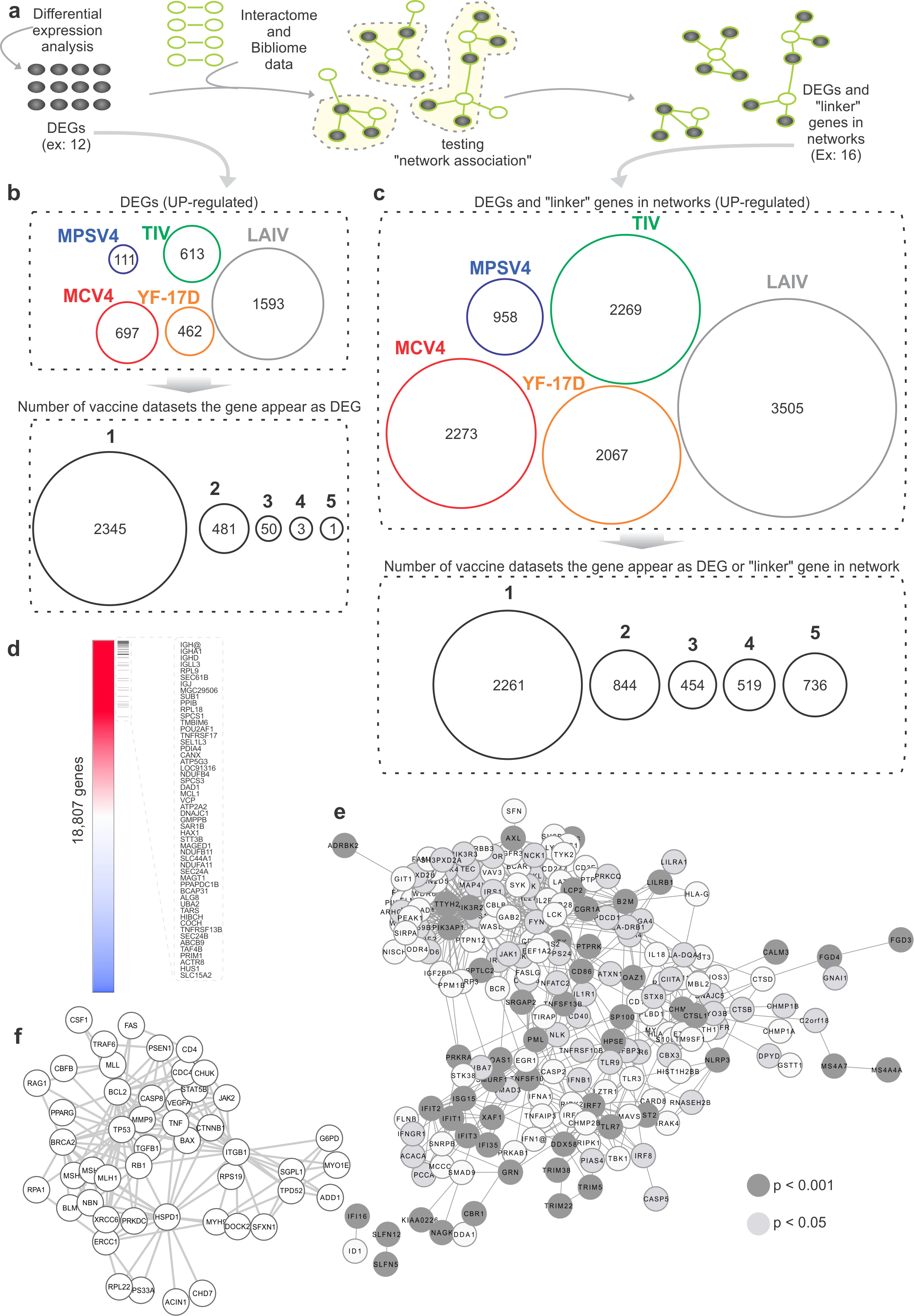
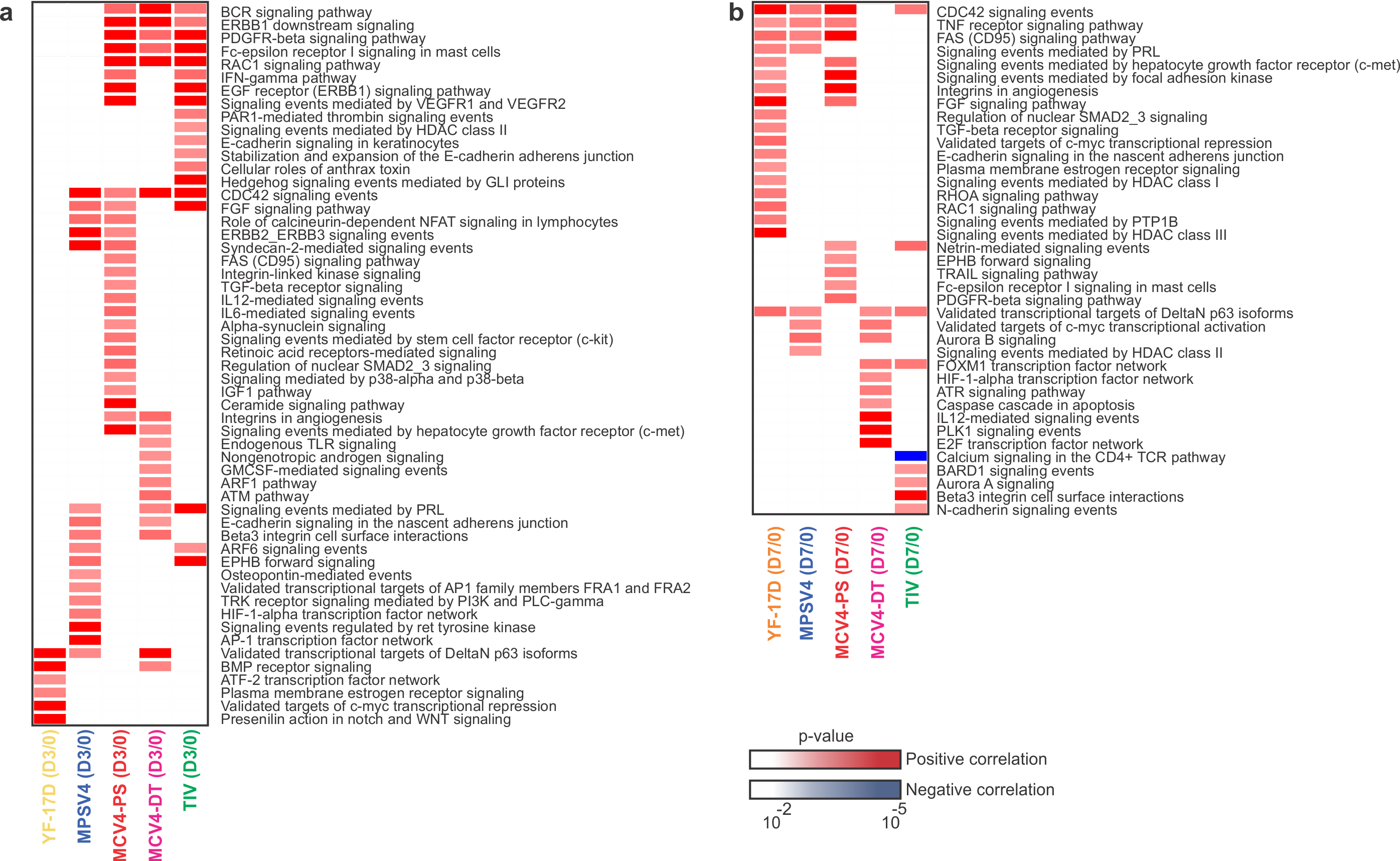
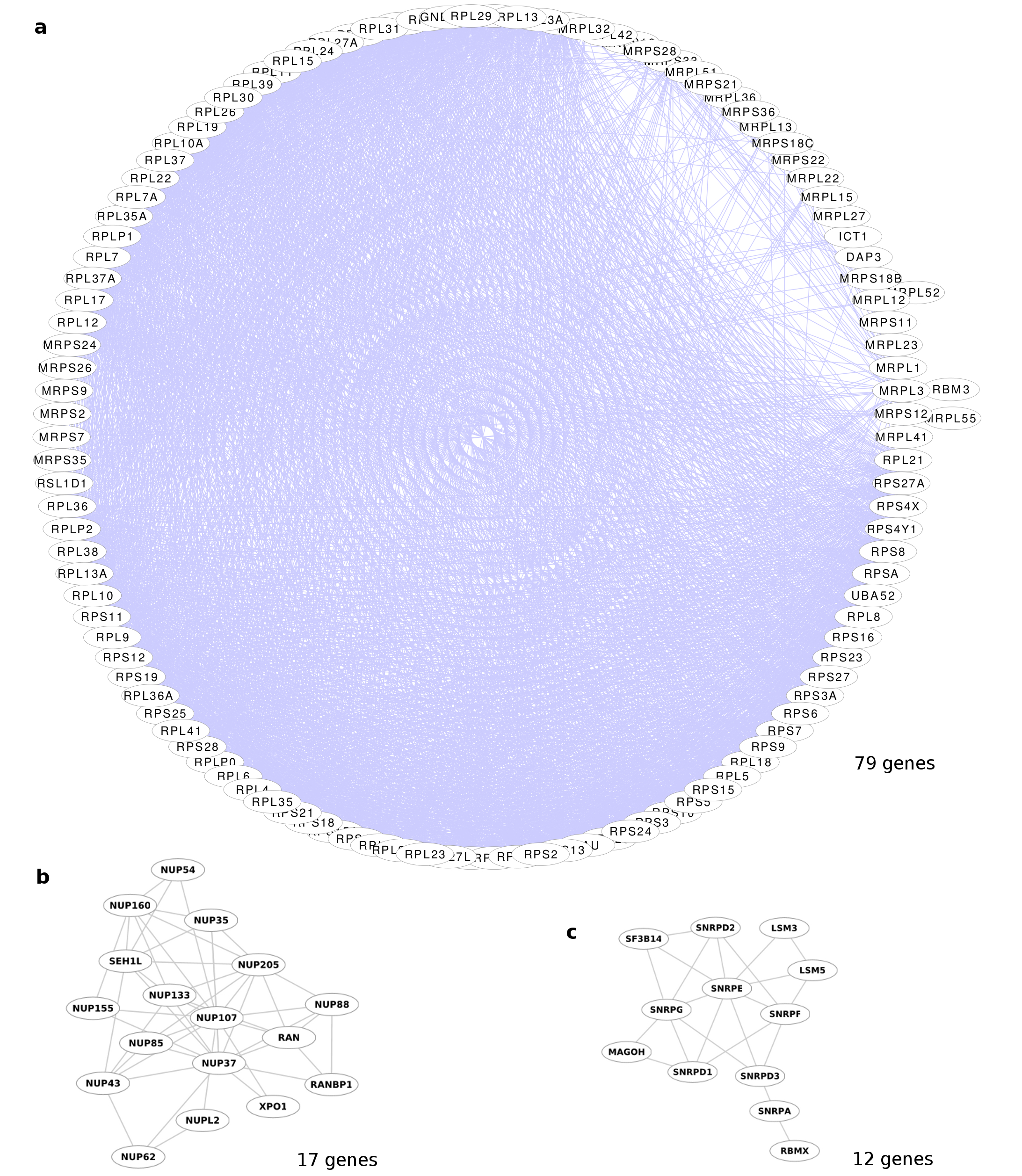
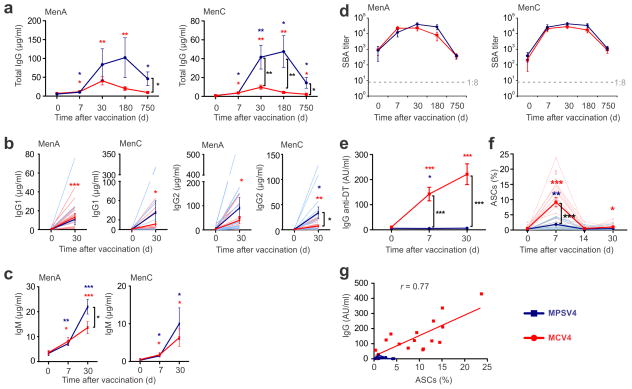
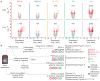
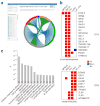
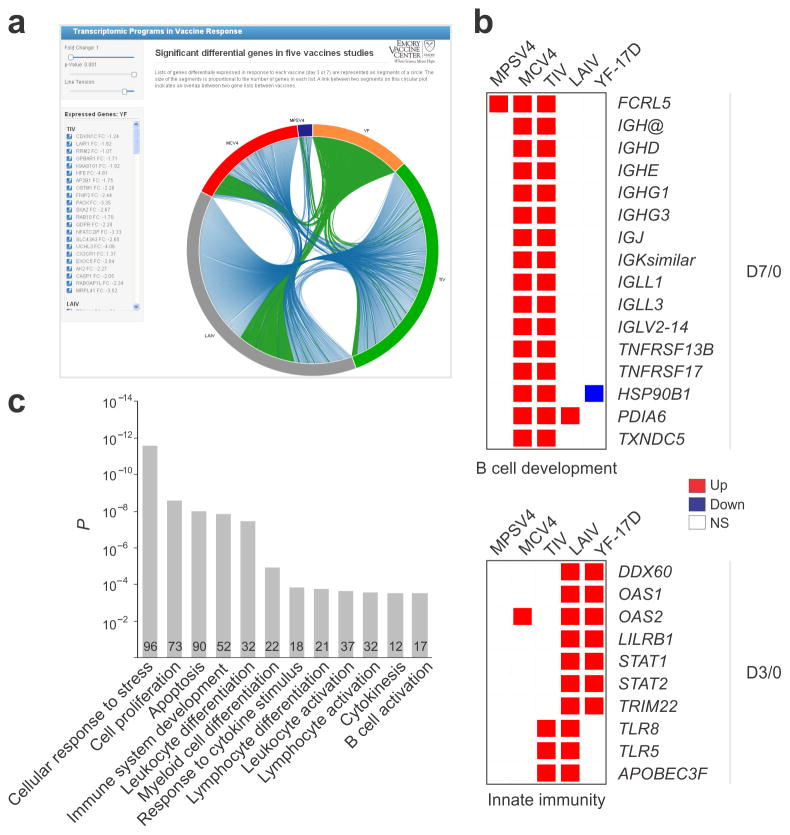
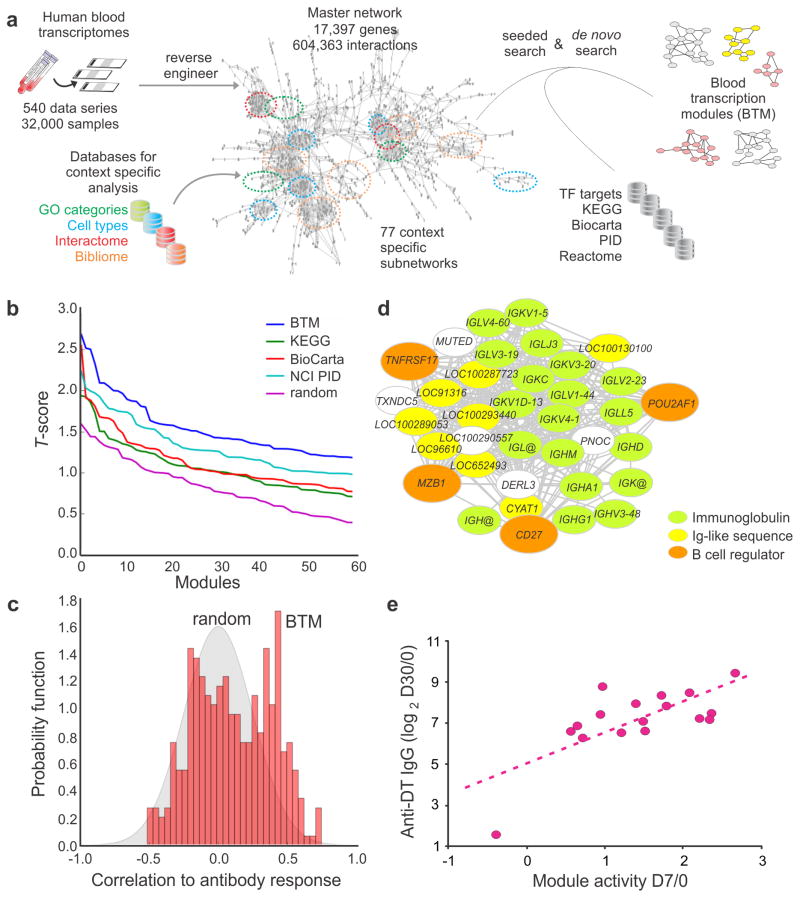
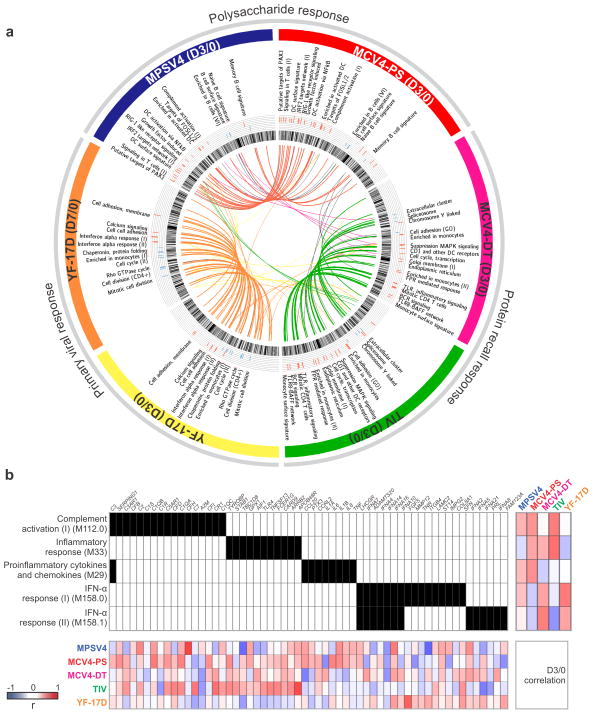
Description:Many vaccines induce protective immunity via antibodies. Systems biology approaches have been used to determine signatures that can be used to predict vaccine-induced immunity in humans, but whether there is a 'universal signature' that can be used to predict antibody responses to any vaccine is unknown. Here we did systems analyses of immune responses to the polysaccharide and conjugate vaccines against meningococcus in healthy adults, in the broader context of published studies of vaccines against yellow fever virus and influenza virus. To achieve this, we did a large-scale network integration of publicly available human blood transcriptomes and systems-scale databases in specific biological contexts and deduced a set of transcription modules in blood. Those modules revealed distinct transcriptional signatures of antibody responses to different classes of vaccines, which provided key insights into primary viral, protein recall and anti-polysaccharide responses. Our results elucidate the early transcriptional programs that orchestrate vaccine immunity in humans and demonstrate the power of integrative network modeling.
-
Subjects:
-
Source:Nat Immunol. 15(2):195-204
-
Pubmed ID:24336226
-
Pubmed Central ID:PMC3946932
-
Document Type:
-
Funding:R37 AI048638/AI/NIAID NIH HHS/United States ; U19 AI090023/AI/NIAID NIH HHS/United States ; R37DK057665/DK/NIDDK NIH HHS/United States ; U19AI090023/AI/NIAID NIH HHS/United States ; P51 OD011132/OD/NIH HHS/United States ; U19 AI057266/AI/NIAID NIH HHS/United States ; R01 DK057665/DK/NIDDK NIH HHS/United States ; U19AI057266/AI/NIAID NIH HHS/United States ; P51 RR000165/RR/NCRR NIH HHS/United States ; U54AI057157/AI/NIAID NIH HHS/United States ; R37 DK057665/DK/NIDDK NIH HHS/United States ; AI100663-02/AI/NIAID NIH HHS/United States ; UL1 TR000454/TR/NCATS NIH HHS/United States ; U19 AI096187/AI/NIAID NIH HHS/United States ; R37AI48638/AI/NIAID NIH HHS/United States ; UL1 RR025008/RR/NCRR NIH HHS/United States ; U54 AI057157/AI/NIAID NIH HHS/United States
-
Volume:15
-
Issue:2
-
Collection(s):
-
Main Document Checksum:urn:sha256:ac5f5031dcac6b6348858257dd261cb2220eb51b4230316702649f9799f9bf3a
-
Download URL:
-
File Type:
 [PDF
- 1.80 MB
]
[PDF
- 1.80 MB
]
Supporting Files


File Language:
English
 Was this page helpful?
 Found an issue?







CDC STACKS serves as an archival repository of CDC-published products including
scientific findings,
journal articles, guidelines, recommendations, or other public health information authored or
co-authored by CDC or funded partners.
As a repository, CDC STACKS retains documents in their original published format to ensure public access to scientific information.
As a repository, CDC STACKS retains documents in their original published format to ensure public access to scientific information.
You May Also Like
COLLECTION
CDC Public Access