


Hantavirus Infections Among Overnight Visitors to Yosemite National Park, California, USA, 2012
Supporting Files
Public Domain

-
2014/03/01
-
-
Series: Emerging Infectious Diseases
File Language:
English
Details
-
Journal Article:Emerging Infectious Diseases
-
Personal Author:Núñez, Jonathan J. ; Fritz, Curtis L. ; Knust, Barbara ; Buttke, Danielle ; Enge, Barryett ; Novak, Mark G. ; Kramer, Vicki ; Osadebe, Lynda ; Messenger, Sharon ; Albariño, César G. ; Ströher, Ute ; Niemela, Michael ; Amman, Brian R. ; Wong, David ; Manning, Craig R. ; Nichol, Stuart T. ; Rollin, Pierre E. ; Xia, Dongxiang ; Watt, James P. ; Vugia, Duc J.
-
Corporate Authors:
-
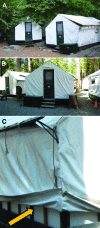
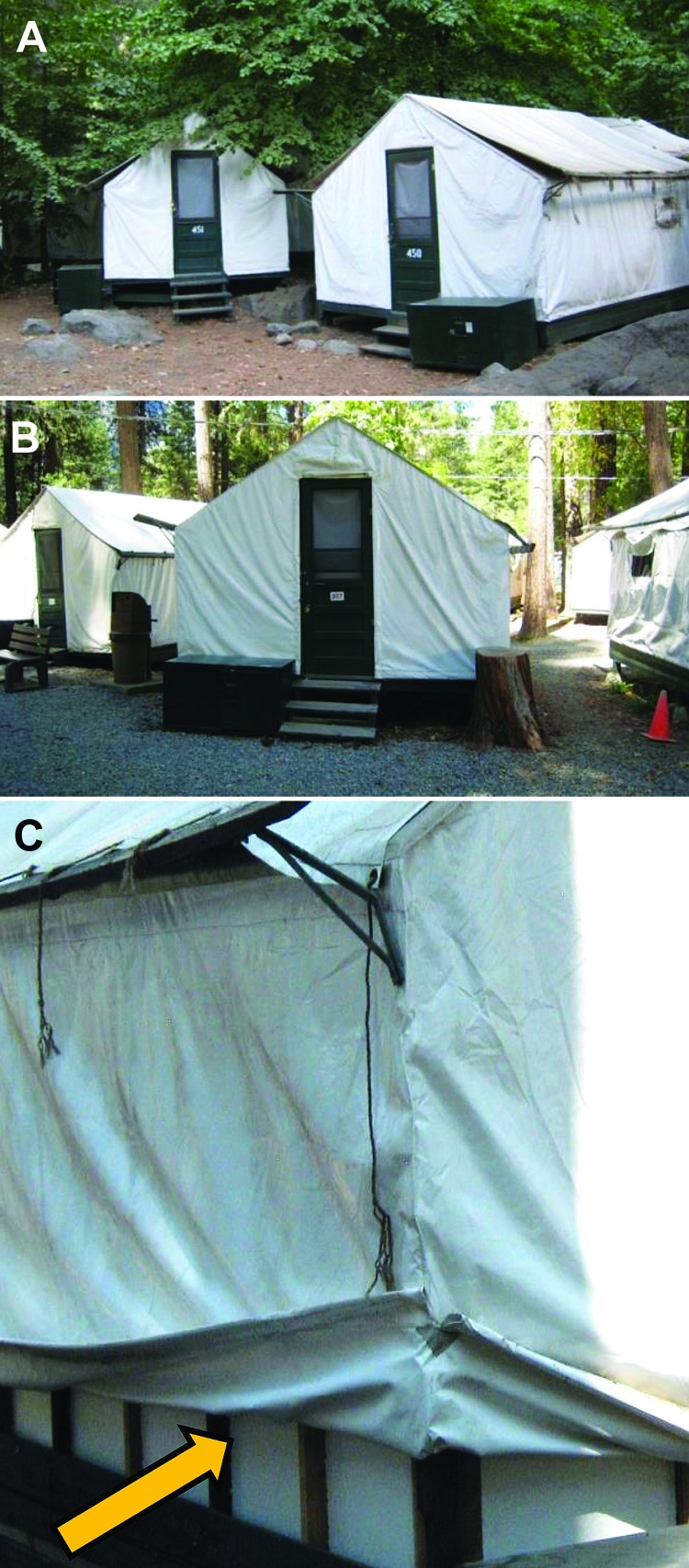
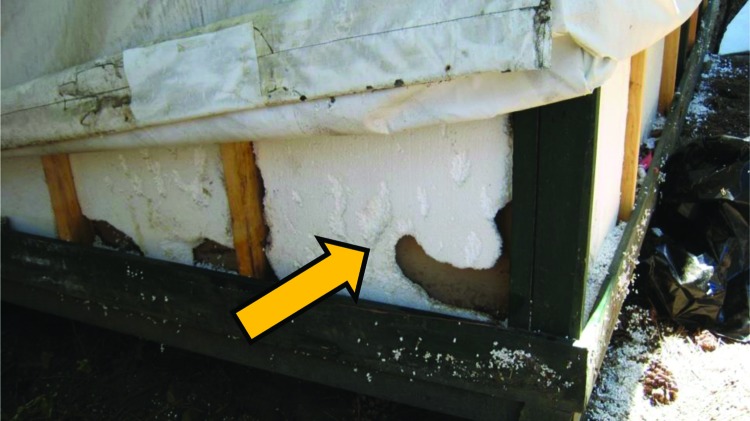
Description:In summer 2012, an outbreak of hantavirus infections occurred among overnight visitors to Yosemite National Park in California, USA. An investigation encompassing clinical, epidemiologic, laboratory, and environmental factors identified 10 cases among residents of 3 states. Eight case-patients experienced hantavirus pulmonary syndrome, of whom 5 required intensive care with ventilatory support and 3 died. Staying overnight in a signature tent cabin (9 case-patients) was significantly associated with becoming infected with hantavirus (p<0.001). Rodent nests and tunnels were observed in the foam insulation of the cabin walls. Rodent trapping in the implicated area resulted in high trap success rate (51%), and antibodies reactive to Sin Nombre virus were detected in 10 (14%) of 73 captured deer mice. All signature tent cabins were closed and subsequently dismantled. Continuous public awareness and rodent control and exclusion are key measures in minimizing the risk for hantavirus infection in areas inhabited by deer mice.
-
Subjects:
-
Series:
-
DOI:
-
ISSN:1080-6059 (digital) ; 1080-6040 (print)
-
Publisher:
-
Pubmed ID:24565589
-
Document Type:
-
Genre:
-
Place as Subject:
-
Rights:Public Domain
-
Topic:
-
Location:
-
Volume:20
-
Issue:3
-
Citation:Emerg Infect Dis. 20(3):386-393.
-
Collection(s):
-
Main Document Checksum:urn:sha-512:3fdbe5229c0dadf37b1c7e19765a9eab96790a05e8876eff2019e897e2c212dd238ac638d0759adba71d470977e6a92b354ae0a59b871b10d47de2ccae909637
-
Download URL:
-
File Type:
 [PDF
- 516.04 KB
]
[PDF
- 516.04 KB
]
Supporting Files


File Language:
English
ON THIS PAGE





CDC STACKS serves as an archival repository of CDC-published products including
scientific findings,
journal articles, guidelines, recommendations, or other public health information authored or
co-authored by CDC or funded partners.
As a repository, CDC STACKS retains documents in their original published format to ensure public access to scientific information.
As a repository, CDC STACKS retains documents in their original published format to ensure public access to scientific information.
You May Also Like
COLLECTION
Emerging Infectious Diseases