


H1N1pdm Influenza Infection in Hospitalized Cancer Patients: Clinical Evolution and Viral Analysis
Supporting Files
Public Domain

-
Nov 30 2010
-
File Language:
English
Details
-
Alternative Title:PLoS One
-
Personal Author:Souza, Thiago Moreno L. ; Salluh, Jorge I. F. ; Bozza, Fernando A. ; Mesquita, Milene ; Soares, Márcio ; Motta, Fernando C. ; Pitrowsky, Melissa Tassano ; de Lourdes Oliveira, Maria ; Mishin, Vasiliy P. ; Gubareva, Larissa V. ; Whitney, Anne ; Rocco, Sandra Amaral ; Gonçalves, Vânia Maria C. ; Marques, Venceslaine Prado ; Velasco, Eduardo ; Siqueira, Marilda M.
-
Description:Background
The novel influenza A pandemic virus (H1N1pdm) caused considerable morbidity and mortality worldwide in 2009. The aim of the present study was to evaluate the clinical course, duration of viral shedding, H1N1pdm evolution and emergence of antiviral resistance in hospitalized cancer patients with severe H1N1pdm infections during the winter of 2009 in Brazil.
Methods
We performed a prospective single-center cohort study in a cancer center in Rio de Janeiro, Brazil. Hospitalized patients with cancer and a confirmed diagnosis of influenza A H1N1pdm were evaluated. The main outcome measures in this study were in-hospital mortality, duration of viral shedding, viral persistence and both functional and molecular analyses of H1N1pdm susceptibility to oseltamivir.
Results
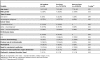
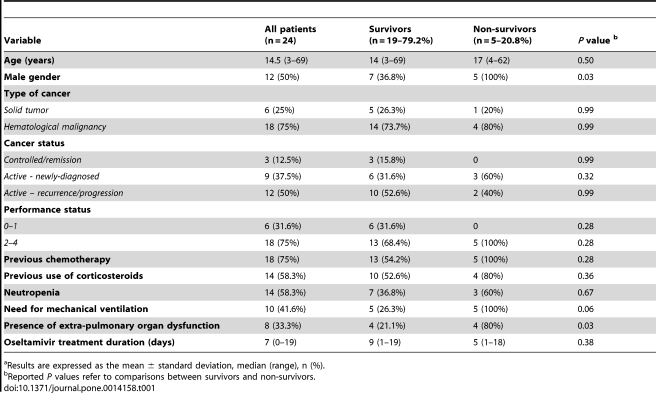
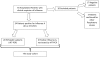
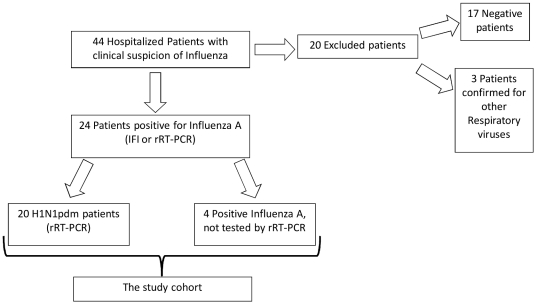
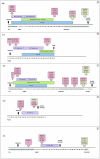
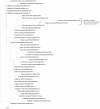
A total of 44 hospitalized patients with suspected influenza-like illness were screened. A total of 24 had diagnosed H1N1pdm infections. The overall hospital mortality in our cohort was 21%. Thirteen (54%) patients required intensive care. The median age of the studied cohort was 14.5 years (3–69 years). Eighteen (75%) patients had received chemotherapy in the previous month, and 14 were neutropenic at the onset of influenza. A total of 10 patients were evaluated for their duration of viral shedding, and 5 (50%) displayed prolonged viral shedding (median 23, range = 11–63 days); however, this was not associated with the emergence of a resistant H1N1pdm virus. Viral evolution was observed in sequentially collected samples.
Conclusions
Prolonged influenza A H1N1pdm shedding was observed in cancer patients. However, oseltamivir resistance was not detected. Taken together, our data suggest that severely ill cancer patients may constitute a pandemic virus reservoir with major implications for viral propagation.
-
Subjects:
-
Source:PLoS One. 5(11).
-
Document Type:
-
Place as Subject:
-
Volume:5
-
Issue:11
-
Collection(s):
-
Main Document Checksum:urn:sha256:a6cab7be9c76d6125907eccbdc9026cb172bc8a90eecde613577ba1dbddac554
-
Download URL:
-
File Type:
 [PDF
- 568.58 KB
]
[PDF
- 568.58 KB
]
Supporting Files


File Language:
English
ON THIS PAGE




CDC STACKS serves as an archival repository of CDC-published products including
scientific findings,
journal articles, guidelines, recommendations, or other public health information authored or
co-authored by CDC or funded partners.
As a repository, CDC STACKS retains documents in their original published format to ensure public access to scientific information.
As a repository, CDC STACKS retains documents in their original published format to ensure public access to scientific information.
You May Also Like
COLLECTION
CDC Public Access