



Social Isolation Impairs Oral Palatal Wound Healing in Sprague-Dawley Rats: A Role for miR-29 and miR-203 via VEGF Suppression
Supporting Files
Public Domain

-
Aug 09 2013
File Language:
English
Details
-
Alternative Title:PLoS One
-
Personal Author:
-
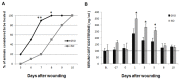
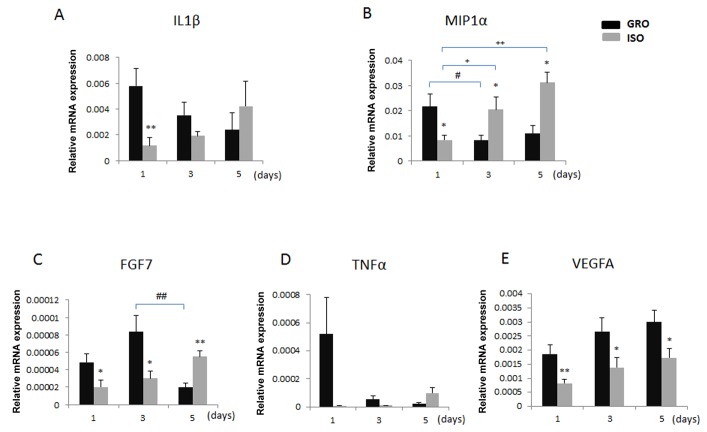
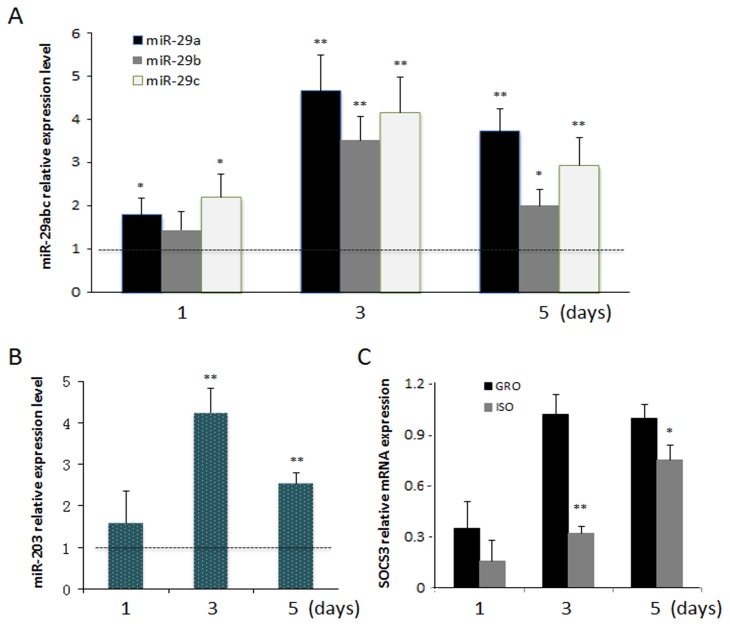
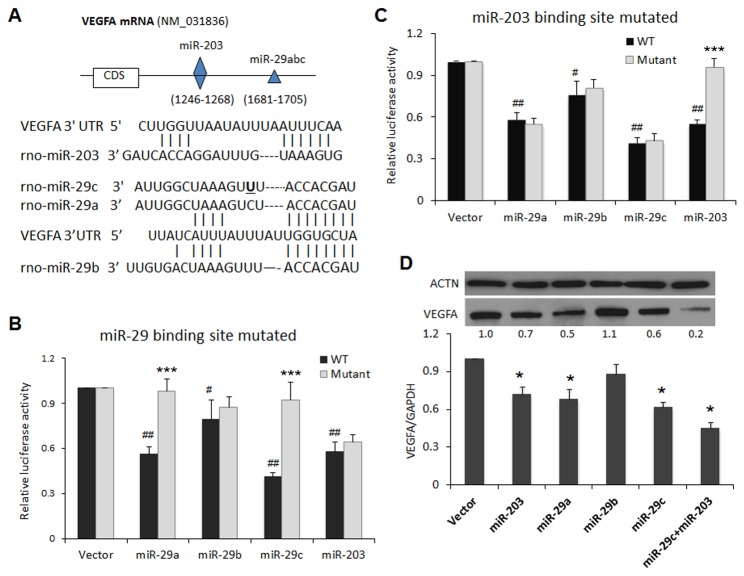
Description:Objective ; To investigate the effects of social isolation on oral mucosal healing in rats, and to determine if wound-associated genes and microRNAs (miRNAs) may contribute to this response. ; Methods ; Rats were group housed or socially isolated for 4 weeks before a 3.5 mm wound was placed on the hard oral palate. Wound closure was assessed daily and tissues were collected for determination of gene expression levels and miRNAs (i.e., miR-29a,b,c and miR-203). The predicted target of these microRNAs (i.e., vascular endothelial growth factor A, VEGFA) was functionally validated. ; Results ; Social isolation stress delayed the healing process of oral palatal mucosal wounds in rats. Lower mRNA levels of interleukin-1β (IL1β), macrophage inflammatory protein-1α (MIP1α), fibroblast growth factor 7 (FGF7), and VEGFA were found in the biopsied tissues of isolated animals on days 1 and/or 3 post-wounding. Intriguingly, the isolated rats persistently exhibited higher levels of miR-29 family members and miR-203. Our results confirmed that VEGFA is a direct target of these miRNAs, as both miR-29a,c and miR-203 strongly and specifically suppressed endogenous VEGFA expression in vitro. ; Conclusions ; This study in rats demonstrates for the first time that social isolation delays oral mucosal healing, and suggests a potential role for healing-associated gene and miRNA interactions during this process via modulation of VEGF expression.
-
Subjects:
-
Source:PLoS One. 2013; 8(8).
-
Document Type:
-
Volume:8
-
Issue:8
-
Download URL:
-
File Type:
 [PDF - 835.63 KB]
 -
Collection(s):
-
Main Document Checksum:urn:sha256:1491b5f09104108979c7d88555360335dcaba0ee0469b9c7de1e4179577d44d5
Supporting Files


File Language:
English
 Was this page helpful?
 Found an issue?




CDC STACKS serves as an archival repository of CDC-published products including
scientific findings, journal articles, guidelines, recommendations, or other public health information authored or
co-authored by CDC or funded partners.
As a repository, CDC STACKS retains documents in their original published format to ensure public access to scientific information.
As a repository, CDC STACKS retains documents in their original published format to ensure public access to scientific information.
You May Also Like
COLLECTION
CDC Public Access