


Plasmodium falciparum Mutant Haplotype Infection during Pregnancy Associated with Reduced Birthweight, Tanzania
Supporting Files
Public Domain

-
2013
-
File Language:
English
Details
-
Alternative Title:Emerg Infect Dis
-
Personal Author:
-
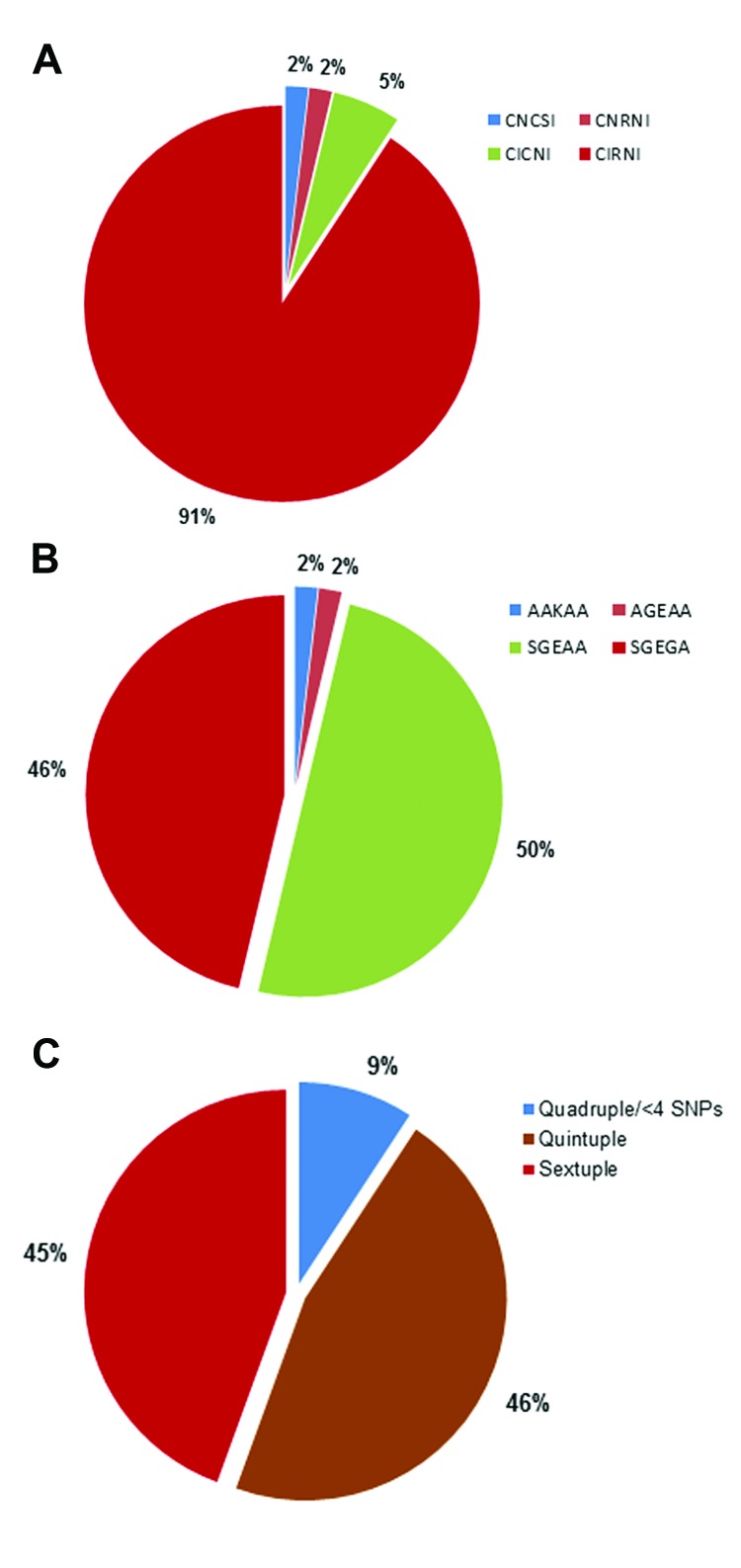
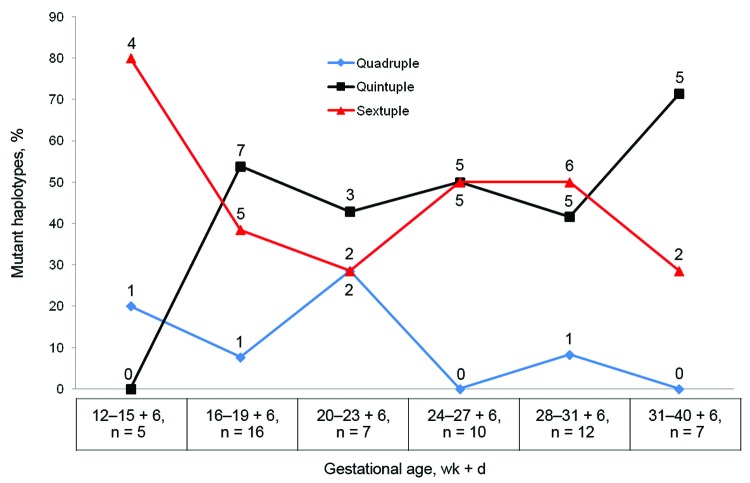
Description:Intermittent preventive treatment during pregnancy with sulfadoxine-pyrimethamine (IPTp-SP) is a key strategy in the control of pregnancy-associated malaria. However, this strategy is compromised by widespread drug resistance from single-nucleotide polymorphisms in the Plasmodium falciparum dihydrofolate reductase and dihydropteroate synthetase genes. During September 2008-October 2010, we monitored a cohort of 924 pregnant women in an area of Tanzania with declining malaria transmission. P. falciparum parasites were genotyped, and the effect of infecting haplotypes on birthweight was assessed. Of the genotyped parasites, 9.3%, 46.3%, and 44.4% had quadruple or less, quintuple, and sextuple mutated haplotypes, respectively. Mutant haplotypes were unrelated to SP doses. Compared with infections with the less-mutated haplotypes, infections with the sextuple haplotype mutation were associated with lower (359 g) birthweights. Continued use of the suboptimal IPTp-SP regimen should be reevaluated, and alternative strategies (e.g., intermittent screening and treatment or intermittent treatment with safe and effective alternative drugs) should be evaluated.
-
Subjects:
-
Source:Emerg Infect Dis. 19(9):1446-1454.
-
Document Type:
-
Place as Subject:
-
Location:
-
Volume:19
-
Issue:9
-
Collection(s):
-
Main Document Checksum:urn:sha256:57720be6cd2e7f18653e8aaf0f62158c921a7d371cc176e8358580b52177f352
-
Download URL:
-
File Type:
 [PDF
- 508.60 KB
]
[PDF
- 508.60 KB
]
Supporting Files


File Language:
English
ON THIS PAGE


CDC STACKS serves as an archival repository of CDC-published products including
scientific findings,
journal articles, guidelines, recommendations, or other public health information authored or
co-authored by CDC or funded partners.
As a repository, CDC STACKS retains documents in their original published format to ensure public access to scientific information.
As a repository, CDC STACKS retains documents in their original published format to ensure public access to scientific information.
You May Also Like
COLLECTION
Emerging Infectious Diseases