



Phylogenetic and Ecologic Perspectives of a Monkeypox Outbreak, Southern Sudan, 2005
Supporting Files
Public Domain

-
Feb 2013
File Language:
English
Details
-
Alternative Title:Emerg Infect Dis
-
Personal Author:Nakazawa, Yoshinori ; Emerson, Ginny L. ; Carroll, Darin S. ; Zhao, Hui ; Li, Yu ; Reynolds, Mary G. ; Karem, Kevin L. ; Olson, Victoria A. ; Lash, R. Ryan ; Davidson, Whitni B. ; Smith, Scott K. ; Levine, Rebecca S. ; Regnery, Russell L. ; Sammons, Scott A. ; Frace, Michael A. ; Mutasim, Elmangory M. ; Karsani, Mubarak E. M. ; Muntasir, Mohammed O. ; Babiker, Alimagboul A. ; Opoka, Langova ; Chowdhary, Vipul ; Damon, Inger K.
-
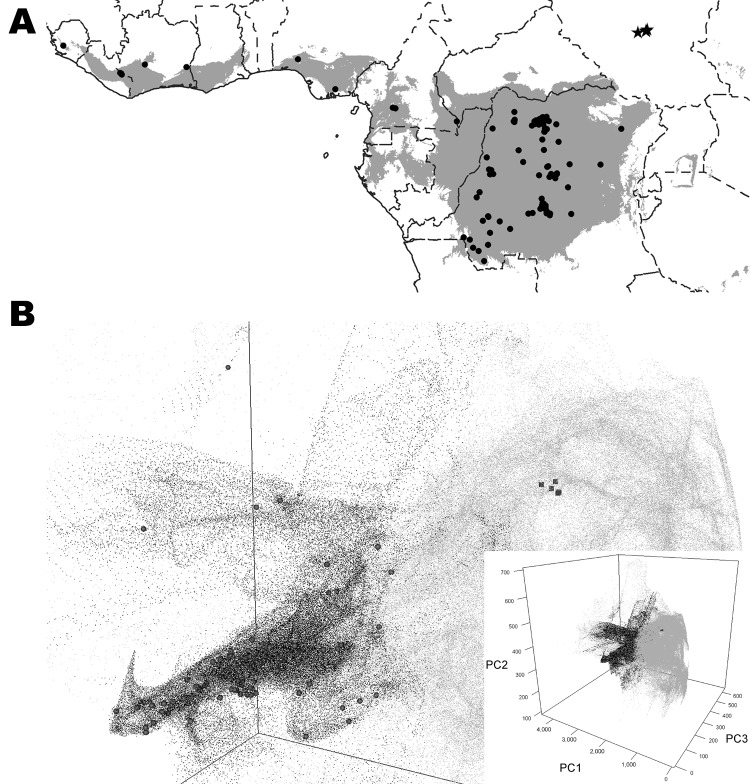
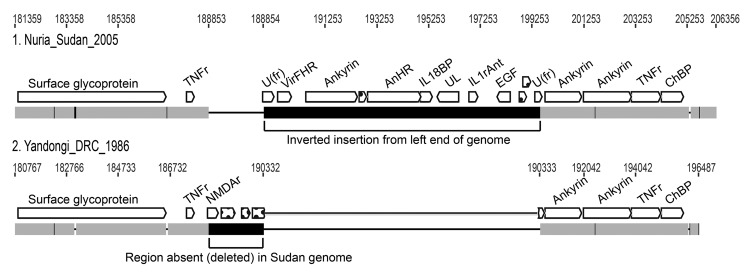
Description:Identification of human monkeypox cases during 2005 in southern Sudan (now South Sudan) raised several questions about the natural history of monkeypox virus (MPXV) in Africa. The outbreak area, characterized by seasonally dry riverine grasslands, is not identified as environmentally suitable for MPXV transmission. We examined possible origins of this outbreak by performing phylogenetic analysis of genome sequences of MPXV isolates from the outbreak in Sudan and from differing localities. We also compared the environmental suitability of study localities for monkeypox transmission. Phylogenetically, the viruses isolated from Sudan outbreak specimens belong to a clade identified in the Congo Basin. This finding, added to the political instability of the area during the time of the outbreak, supports the hypothesis of importation by infected animals or humans entering Sudan from the Congo Basin, and person-to-person transmission of virus, rather than transmission of indigenous virus from infected animals to humans.
-
Subjects:
-
Source:Emerg Infect Dis. 19(2):237-245.
-
Document Type:
-
Place as Subject:
-
Volume:19
-
Issue:2
-
Download URL:
-
File Type:
 [PDF - 1.56 MB]
 -
Collection(s):
-
Main Document Checksum:urn:sha256:df19fd7221cda22cda6b9f04582949f70938a67248203bfae0af7e8e789b6fa8
Supporting Files


File Language:
English
 Was this page helpful?
 Found an issue?


CDC STACKS serves as an archival repository of CDC-published products including
scientific findings, journal articles, guidelines, recommendations, or other public health information authored or
co-authored by CDC or funded partners.
As a repository, CDC STACKS retains documents in their original published format to ensure public access to scientific information.
As a repository, CDC STACKS retains documents in their original published format to ensure public access to scientific information.
You May Also Like
COLLECTION
Emerging Infectious Diseases