



Diphtheria in the Postepidemic Period, Europe, 2000–2009
Supporting Files
Public Domain

-
Feb 2012
File Language:
English
Details
-
Alternative Title:Emerg Infect Dis
-
Personal Author:
-
Corporate Authors:
-
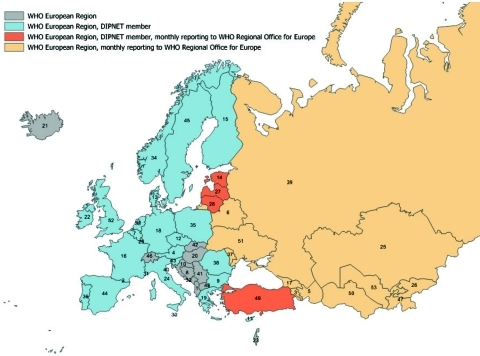
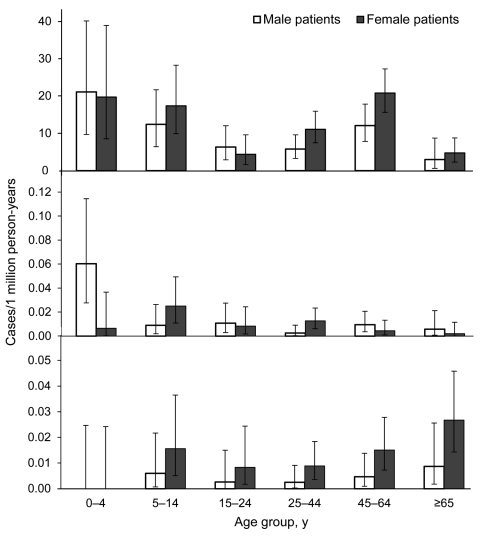
Description:Diphtheria incidence has decreased in Europe since its resurgence in the 1990s, but circulation continues in some countries in eastern Europe, and sporadic cases have been reported elsewhere. Surveillance data from Diphtheria Surveillance Network countries and the World Health Organization European Region for 2000-2009 were analyzed. Latvia reported the highest annual incidence in Europe each year, but the Russian Federation and Ukraine accounted for 83% of all cases. Over the past 10 years, diphtheria incidence has decreased by >95% across the region. Although most deaths occurred in disease-endemic countries, case-fatality rates were highest in countries to which diphtheria is not endemic, where unfamiliarity can lead to delays in diagnosis and treatment. In western Europe, toxigenic Corynebacterium ulcerans has increasingly been identified as the etiologic agent. Reduction in diphtheria incidence over the past 10 years is encouraging, but maintaining high vaccination coverage is essential to prevent indigenous C. ulcerans and reemergence of C. diphtheriae.
-
Subjects:
-
Source:Emerg Infect Dis. 18(2):217-225.
-
Document Type:
-
Place as Subject:
-
Location:
-
Volume:18
-
Issue:2
-
Download URL:
-
File Type:
 [PDF - 287.56 KB]
 -
Collection(s):
-
Main Document Checksum:urn:sha256:fa172006b10e304859b3676e6d72c7bef1f4b964be8e92cbb1c9f0b11d9c8a2e
Supporting Files


File Language:
English
 Was this page helpful?
 Found an issue?



CDC STACKS serves as an archival repository of CDC-published products including
scientific findings, journal articles, guidelines, recommendations, or other public health information authored or
co-authored by CDC or funded partners.
As a repository, CDC STACKS retains documents in their original published format to ensure public access to scientific information.
As a repository, CDC STACKS retains documents in their original published format to ensure public access to scientific information.
You May Also Like
COLLECTION
Emerging Infectious Diseases