



The need for better metrics for floor-tile topography: Conventional metrics correlate only modestly with shoe-floor friction
Supporting Files

-
5 2024 ; 5-2024
-
Available in CDC Stacks on 2025-01-08T00:00:00Z

File Language:
English
Details
-
Alternative Title:Tribol Int
-
Personal Author:
-
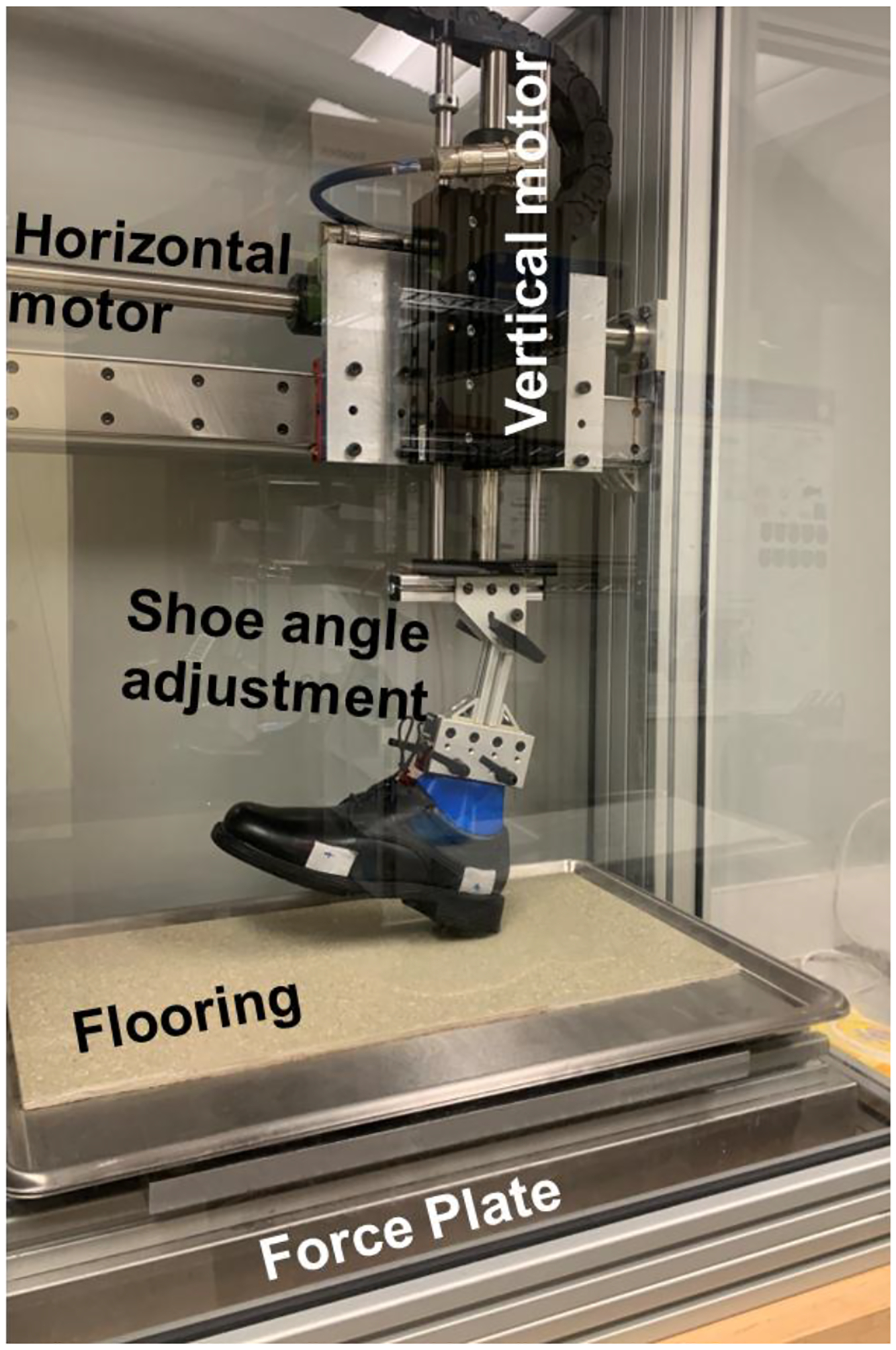
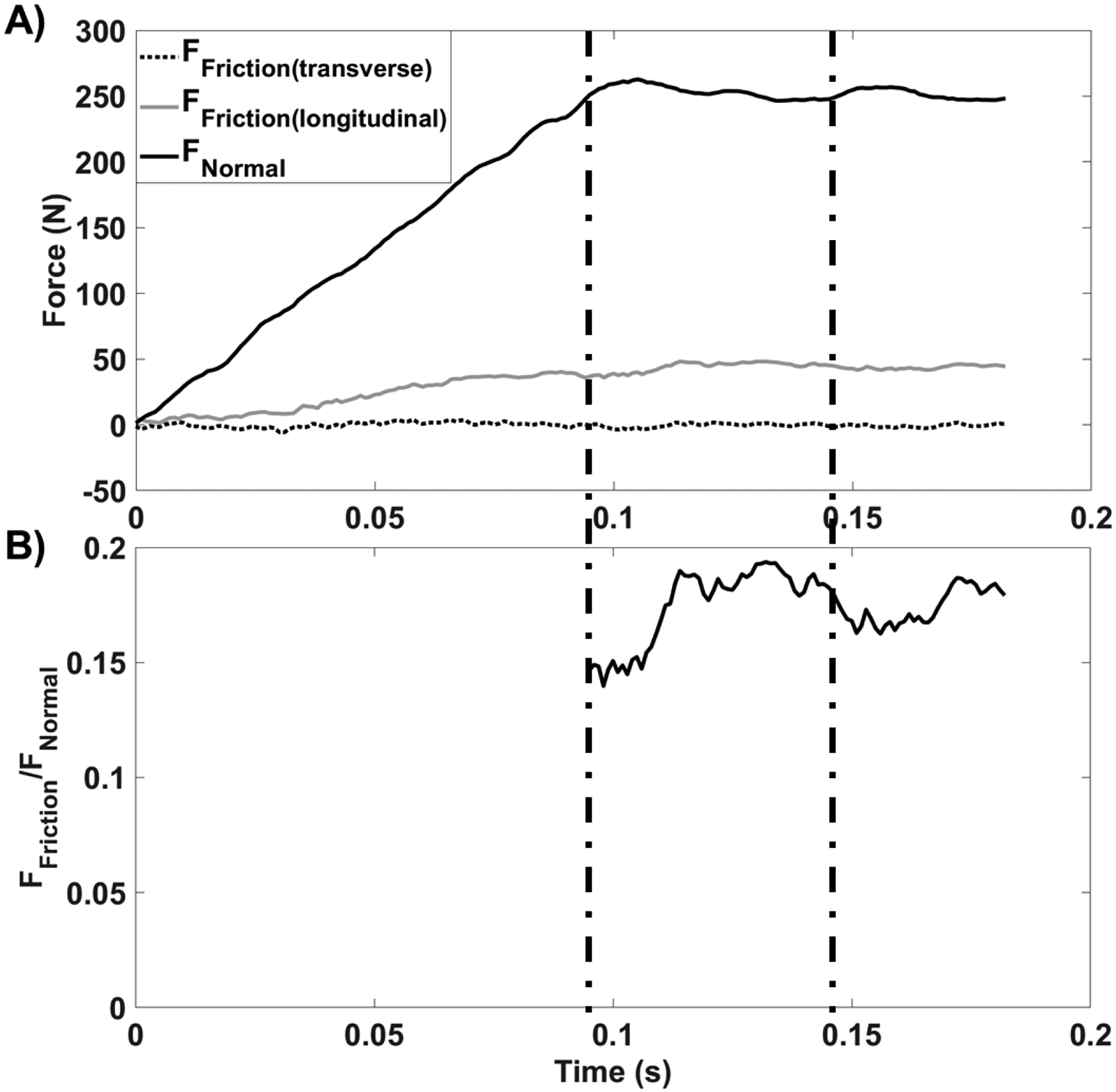
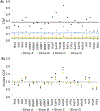
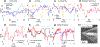
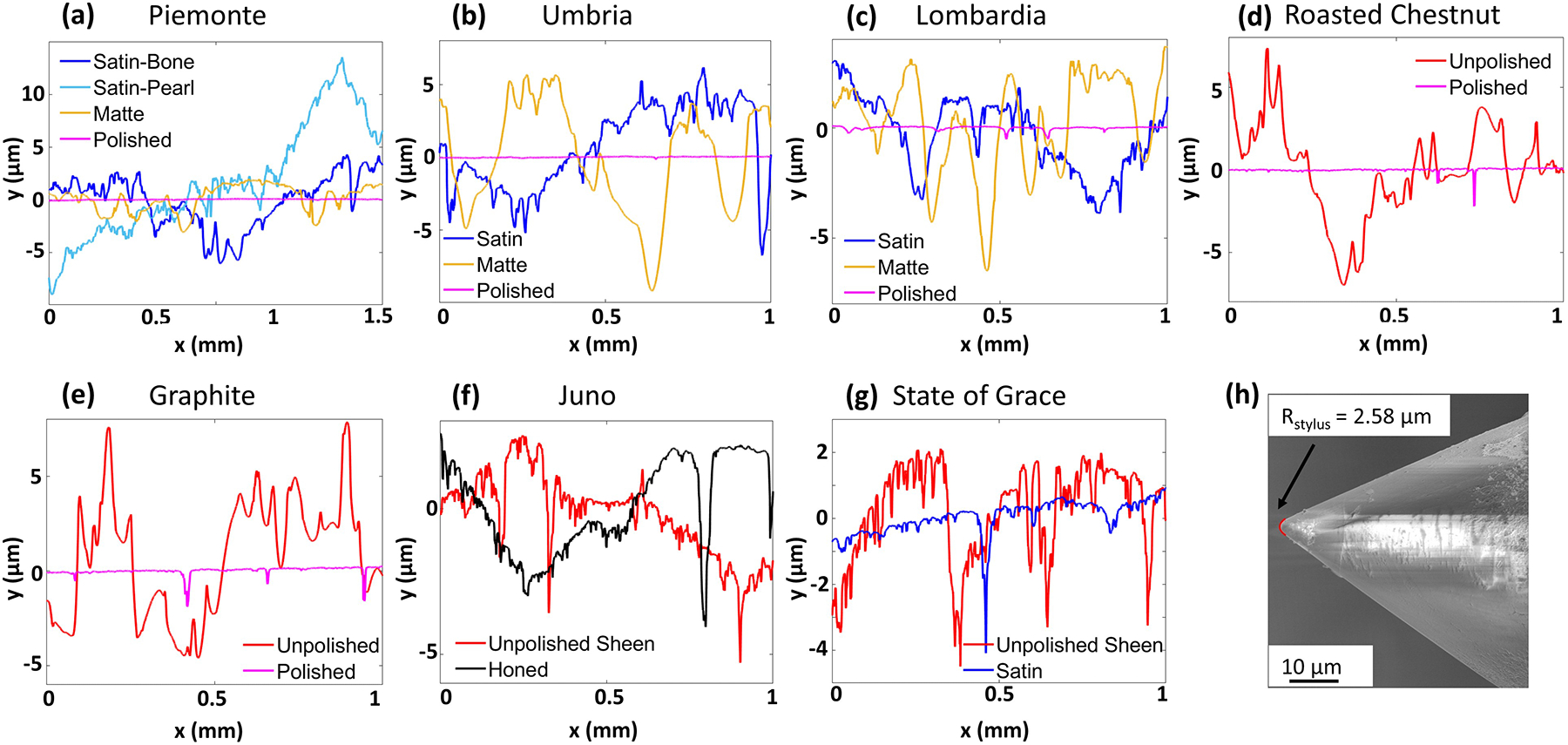
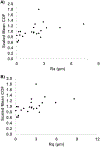
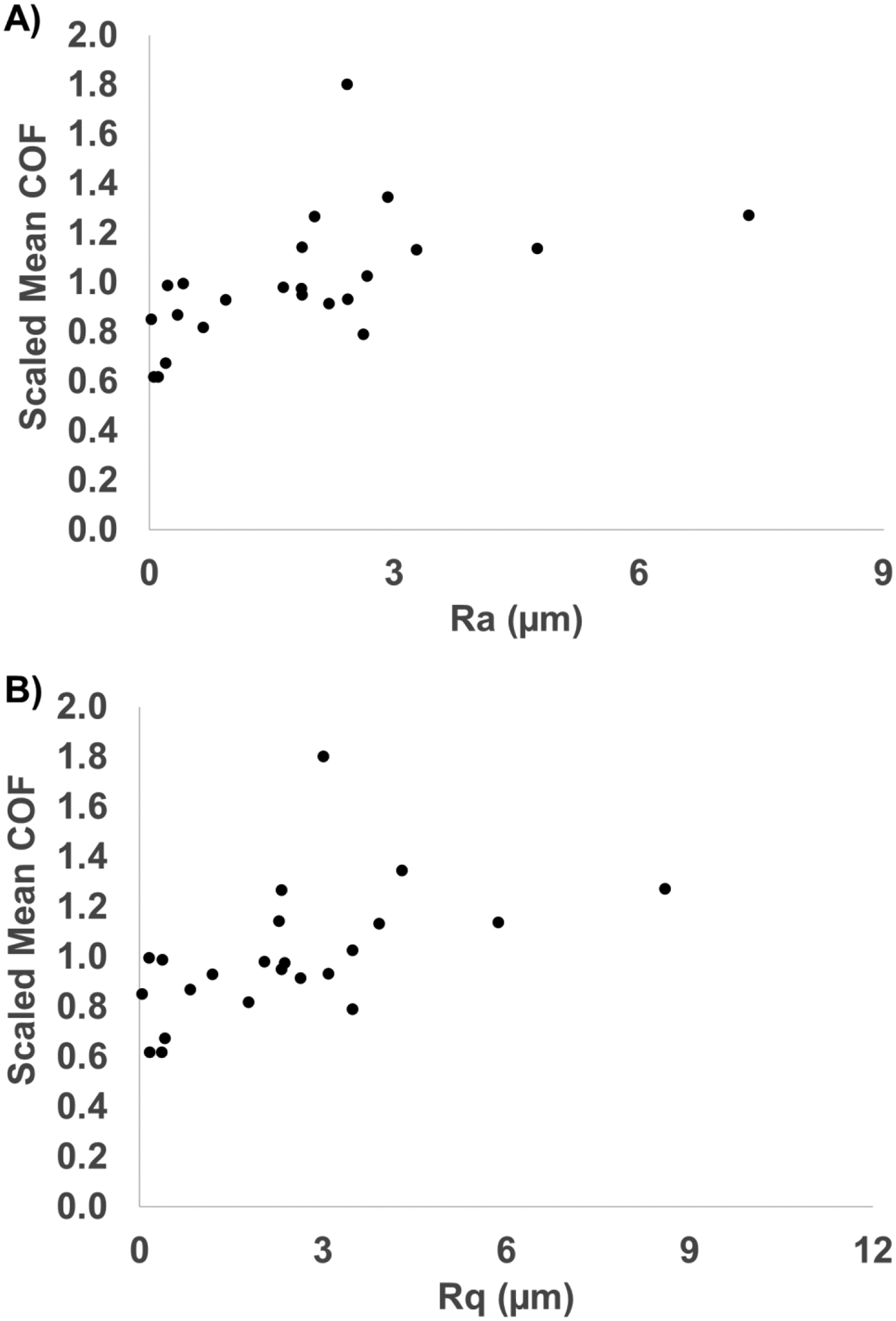
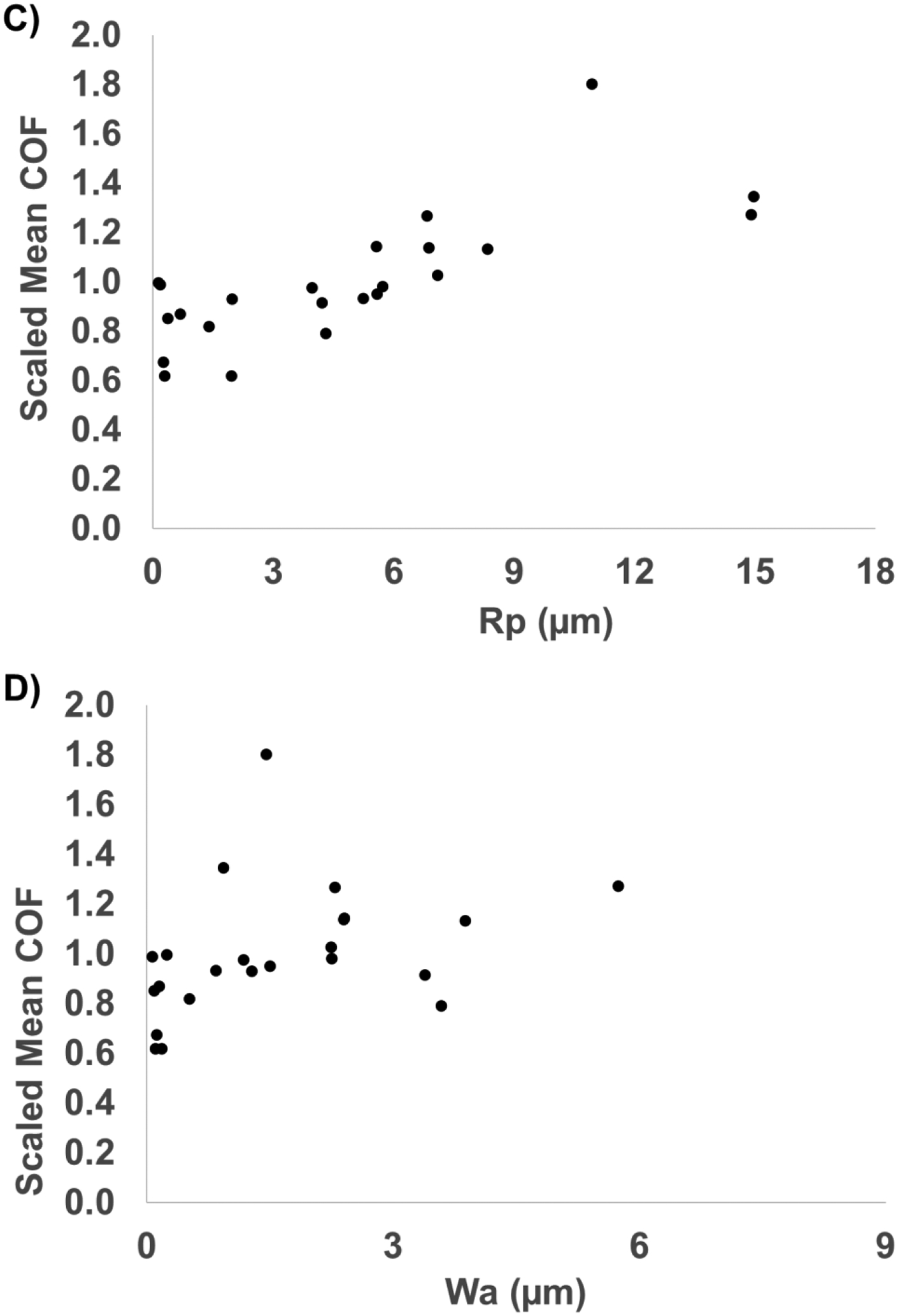
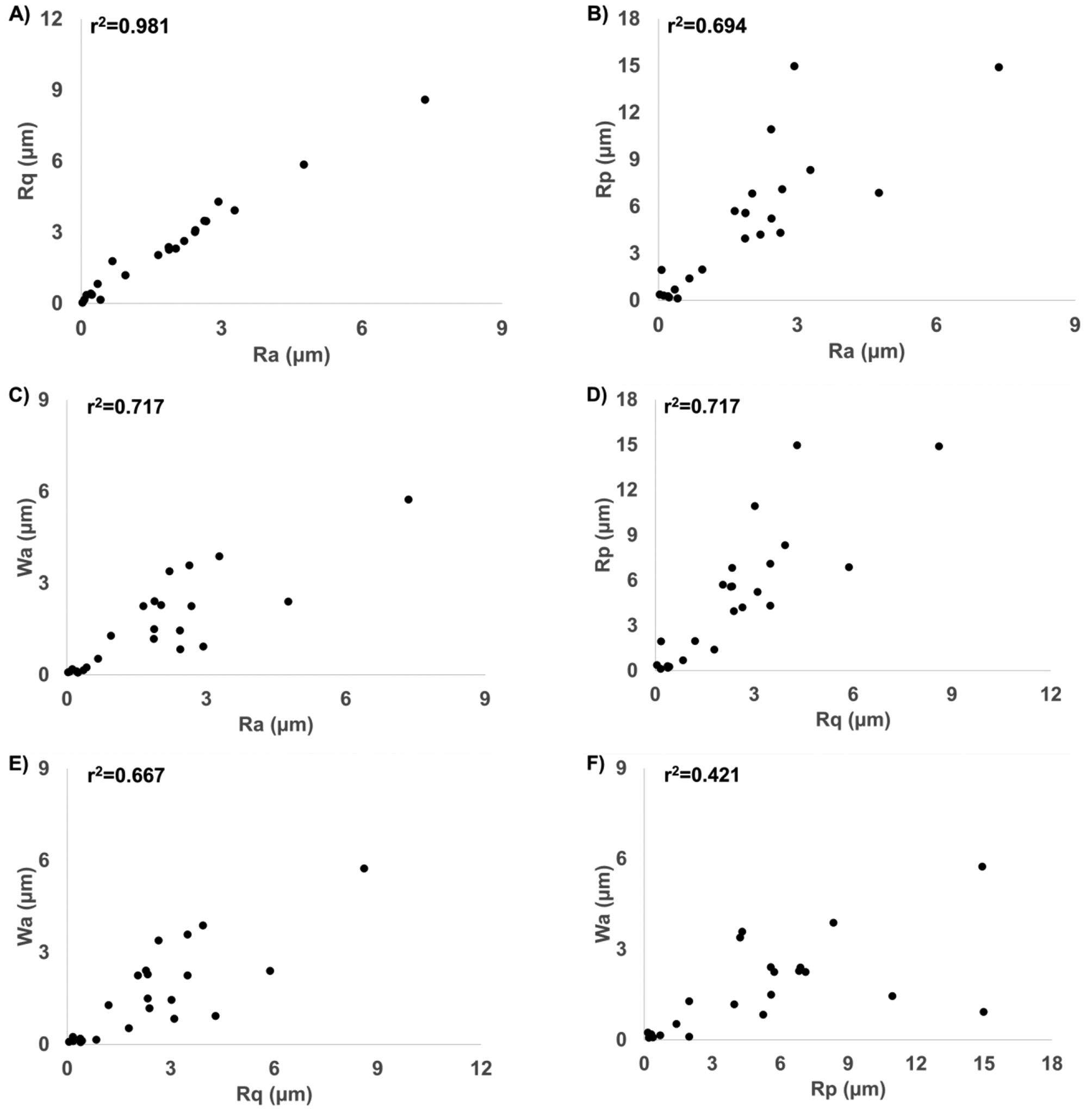
Description:Roughness metrics measured with stylus profilometry are commonly used to explain a floor's friction performance, yet these metrics inconsistently predict shoe-floor friction. While strong correlations have been shown for systematically modified flooring, the goal of this study is to address a gap regarding the predictive ability of these metrics across heterogeneous porcelain flooring products. The predictive ability of four roughness metrics on oily friction performance was assessed using 23 floors and 4 shoe designs. Roughness was moderately correlated with friction (r ranged from 0.374 to 0.760). These results are a reference point for future studies that aim to improve predictions using novel surface characterization approaches that include multiple scales.
-
Keywords:
-
Source:Tribol Int. 193
-
Pubmed ID:39781403
-
Pubmed Central ID:PMC11708304
-
Document Type:
-
Funding:
-
Volume:193
-
Download URL:
-
File Type:
 [PDF - 1.36 MB]
 -
Collection(s):
-
Main Document Checksum:urn:sha-512:29c371b0cfcffb1b98793b3ba84786a640fa314013f38b5d2d38a66f181943f7091bfe271012eb05acdf2bae31992db3996c42a4043fdea38fd9eadd377039d2
Supporting Files


File Language:
English
 Was this page helpful?
 Found an issue?


CDC STACKS serves as an archival repository of CDC-published products including
scientific findings, journal articles, guidelines, recommendations, or other public health information authored or
co-authored by CDC or funded partners.
As a repository, CDC STACKS retains documents in their original published format to ensure public access to scientific information.
As a repository, CDC STACKS retains documents in their original published format to ensure public access to scientific information.
You May Also Like
COLLECTION
CDC Public Access