



Social and language regression: characteristics of children with autism spectrum disorder in a community-based sample
Supporting Files

-
8 2024 ; 8-2024
-
Available in CDC Stacks on 2024-11-20T00:00:00Z
File Language:
English
Details
-
Alternative Title:J Dev Phys Disabil
-
Personal Author:
-
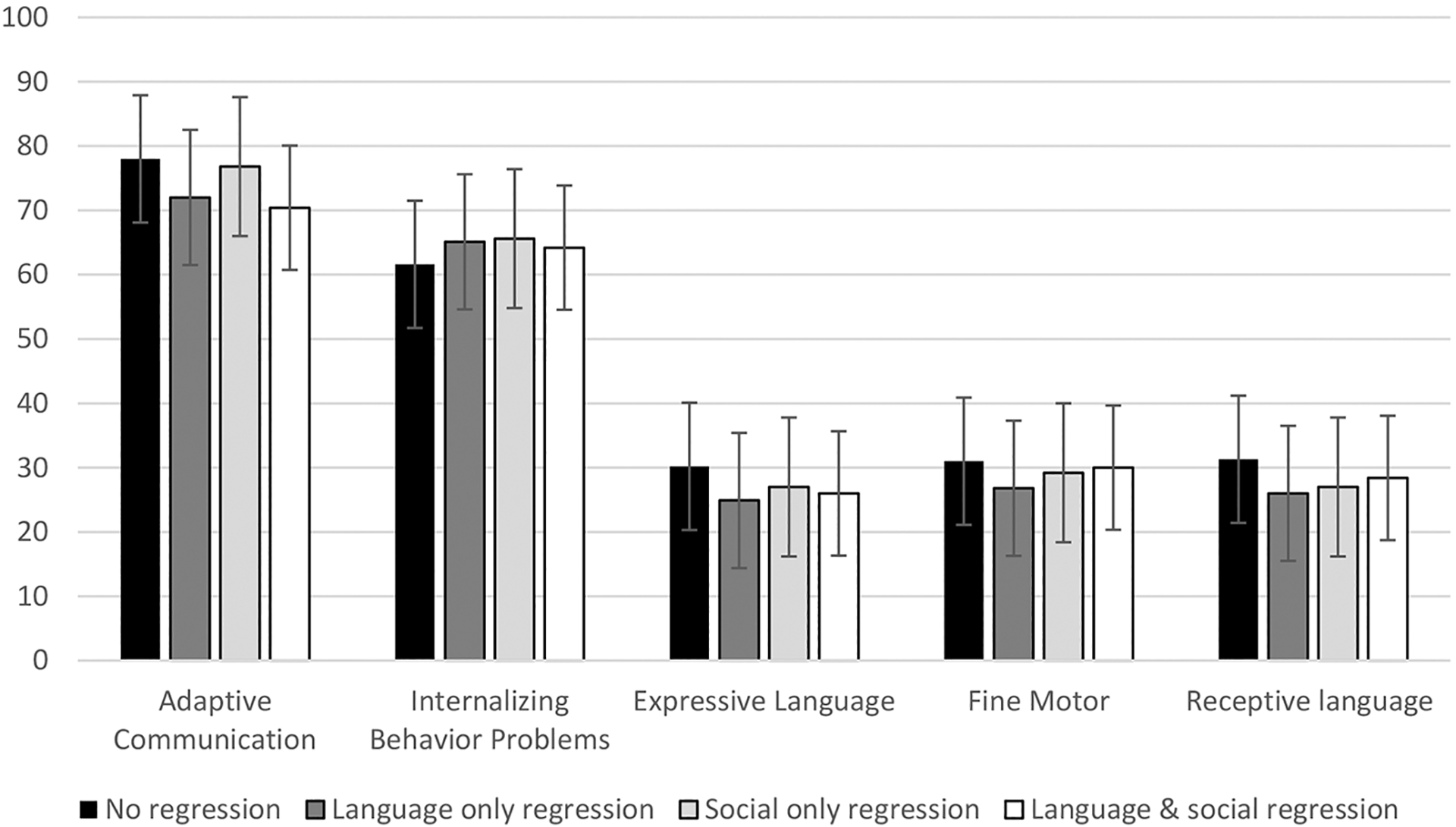
Description:This study investigated the prevalence, and the developmental, behavior and emotional outcomes of 675 preschoolers with ASD with or without a history of regression, who participated in the Study to Explore Early Development (SEED). The SEED project is a cross-sectional case-control study that collected data between 2007 and 2011. Children's history of regression, adaptive skills, and behavior problems were assessed using the Autism Diagnostic Interview-Revised (ADI-R), the Vineland Adaptive Behavior Scales-Second Edition (Vineland-2), and the Child Behavior Checklist (CBCL), respectively; and children's developmental levels were assessed using the Mullen Scales of Learning (MSEL). Findings from this study indicated that 26% of children experienced social and language regression, and of those with regression, 76% had regained lost skills upon completion of the study. Compared to children without a history of regression, children with social regression demonstrated increased internalizing problems and decreased fine motor skills, and children with language regression demonstrated poorer language skills. Also, children with language and social regression displayed poorer adaptive communication skills than children without regression. Children who experienced regression in one area of development demonstrated better outcomes than those who experience regression in multiple areas. To conclude, children with regression are at risk for poorer outcomes during their preschool years.
-
Keywords:
-
Source:J Dev Phys Disabil. 36(4):713-728
-
Pubmed ID:39568799
-
Pubmed Central ID:PMC11578110
-
Document Type:
-
Funding:
-
Volume:36
-
Issue:4
-
Download URL:
-
File Type:
 [PDF - 491.94 KB]
 -
Collection(s):
-
Main Document Checksum:urn:sha-512:929bb2ed1f9c4b8ac7b9673c78df2d95fbb547e892dd7e6457d3d928dc421c1c33f671a50bf11e2408a9710da4337f5f787defb83952478575de9e6dc9cd0ea1
Supporting Files


File Language:
English
 Was this page helpful?
 Found an issue?

CDC STACKS serves as an archival repository of CDC-published products including
scientific findings, journal articles, guidelines, recommendations, or other public health information authored or
co-authored by CDC or funded partners.
As a repository, CDC STACKS retains documents in their original published format to ensure public access to scientific information.
As a repository, CDC STACKS retains documents in their original published format to ensure public access to scientific information.
You May Also Like
COLLECTION
CDC Public Access